

A Complete Guide to Visiting Silverton, Colorado
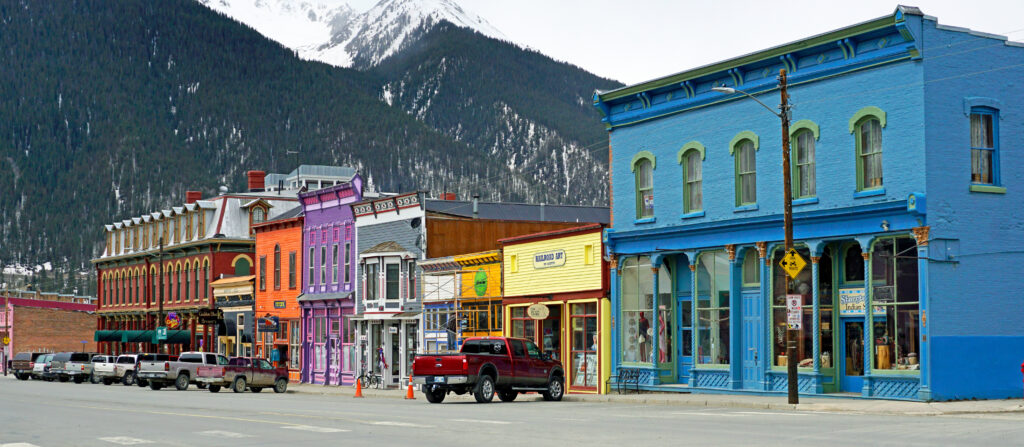
In this guide, we’re sharing everything you need to know to plan the perfect visit—including the Old Hundred Mine Tour, where to eat, hikes to do, and helpful tips to make your trip unforgettable. We recently set out on a 6-day road trip through Colorado, and Silverton was a must-see along the way. If you’d like to see the ACTUAL mine tour, check out our YouTube video! About Silverton, Colorado Nestled in the heart of the San Juan Mountains, Silverton is a charming historic mining town that was established in 1874. Its growth skyrocketed in 1881 when the Denver & Rio Grande Railway rolled into town, forever changing its future. Today, Silverton still holds onto its old soul, with many original 19th-century buildings still standing tall and most of its streets remaining unpaved, giving visitors the distinct feeling of stepping back in time. While you could breeze through with just a coffee or a quick bite before heading north on the Million Dollar Highway, we highly recommend spending at least a few hours here. From scenic hikes to fascinating museums and mine tours, Silverton offers more than just a pretty backdrop—it’s a living slice of Colorado history. Here are some of the best things to do in Silverton. Tour the Old Hundred Gold Mine Hands down, the Old Hundred Gold Mine Tour was one of the most fun and unique experiences we had in Silverton—and absolutely worth every penny! For just $30 per adult, $15 for kids 5-12, and children 4 and under are free (seniors 60+ cost $28), you hop aboard a vintage electric-powered mine train that takes you 1/3 of a mile deep into the heart of Galena Mountain, which towers over 13,000 feet high. Heads up—you will get a little water dripping on you, but they provide these yellow raincoats with hoods to keep you dry. Once inside, you’ll walk through the old tunnels, learn all about historic mining techniques, and watch live demonstrations of original 1930s mining equipment (they’re LOUD, but super cool to see in action!). What made the tour even more special was our guide—a real former miner, who brought the history to life with personal stories and deep knowledge of the mining world. His passion made it feel less like a tour and more like a journey through time. 🎉 Bonus activity: After the underground adventure, you’ll get to pan for real silver, copper, gems, and gold, and you get to keep whatever you find! We found several .999% silver balls! Lukas was enthralled with this experience, spending an hour panning, and taking home one of the bags they provide for free full of little gemstones. It was the highlight of the experience for him since he loves gems so much! 🗓️ A few quick tips: The tour is summer-only and runs hourly. No reservations are not taken, but the drive out will take you at least 10-15 minutes from Silverton so plan accordingly so you make it for the tour you want. If you only have time for one thing in Silverton, make it this! Walk Around Town One of the best ways to soak in Silverton’s charm is simply by wandering around town. This tiny historic mining town is packed with original buildings, many proudly displaying the year they were built—giving you a glimpse into life in the late 1800s and early 1900s. The main drag, Greene Street, was once the unofficial dividing line in town. On one side lived the law-abiding, church-going citizens—on the other? Well, things got a bit rowdier. Just a block away sits Blair Street, Silverton’s former red-light district. Once home to dozens of saloons and brothels, today it’s lined with shops and eateries—but it still holds tight to its wild west roots with unpaved streets and rustic storefronts that transport you back in time. If you’re a fan of frontier history and small-town charm, don’t rush through Silverton. Give yourself time to wander, imagine the town’s wilder days, and enjoy the preserved character that makes this place so unique. Go For a Hike The Silverton area is surrounded by some of the most epic hikes in the San Juan Mountains, offering stunning alpine lakes, panoramic mountain views, and unforgettable backcountry adventures. Below are a few must-do trails to consider—but keep in mind: these are popular hikes, so start early and remember to Leave No Trace to help preserve these wild places. Ice Lakes Basin 📏 8.6 miles | ⬆️ 3,070 feet elevation gain Arguably the most famous hike in the San Juans—and for good reason. While it was closed for a time following a 2020 wildfire, Ice Lakes Basin is now open and as breathtaking as ever. This trail leads to three brilliant blue alpine lakes, framed by jagged peaks and wildflowers in the summer. It’s still free to hike (for now), but due to its popularity, there’s ongoing discussion about requiring permits—so treat this trail with care and respect to help keep it accessible. Columbine Lake 📏 8.3 miles | ⬆️ 2,933 feet elevation gain This challenging trail rewards hikers with jaw-dropping mountain views and a surreal, turquoise-blue lake at the top. It’s quieter than Ice Lakes but still popular, and the trailhead parking is limited. If you arrive late, you may need to park near the bridge and walk to the trailhead—another reason to get an early start. Highland Mary Lake Trail 📏 4.9 miles | ⬆️ 1,414 feet elevation gain Don’t be fooled by the shorter distance—this is still a solid alpine hike! Along the way, you’ll pass serene high-elevation lakes and take in views that rival the longer hikes. The final stretch of the road to the trailhead can be rough, so 4WD is recommended. If you’re in a lower-clearance vehicle, consider parking 0.7–1 mile away and walking in. Whether you’re chasing turquoise lakes or towering peaks, the hikes near Silverton are pure mountain magic. Just be sure to pack plenty of water, check weather conditions, and hit the trail early
A Complete Guide to Visiting Ouray, Colorado
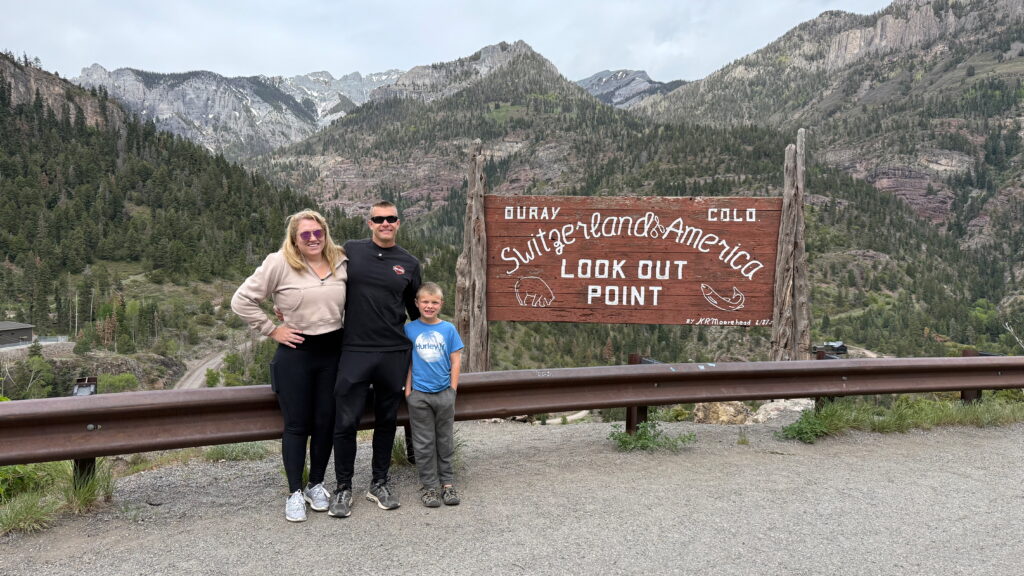
Photo by Jesse Gariepy In this guide, we’re sharing everything you need to know to plan the perfect visit to Ouray—including Box Canyon, the Ouray Hot Springs, the iconic Perimeter Trail, where to stay, where to eat, and all the charm of its historic downtown. We stopped in Ouray during our epic Colorado road trip and immediately understood why it’s nicknamed the “Switzerland of America.” About Ouray, Colorado Photo by Jesse Gariepy Nestled in a dramatic box canyon and surrounded by the towering San Juan Mountains, Ouray is a tiny mountain town full of character and natural beauty. Originally established as a mining town in the 1870s, Ouray still retains its 19th-century charm, with beautifully preserved Victorian buildings, a slow-paced vibe, and endless access to outdoor adventure. Whether you’re here for the healing hot springs, the epic hiking trails, or the charming downtown lined with old storefronts and mom-and-pop shops, Ouray offers the perfect balance of relaxation and rugged exploration. Where to Stay in Ouray Whether you’re splurging or traveling on a budget, Ouray has great options: Twin Peaks Lodge & Hot Springs – Walkable to everything and includes access to its own hot springs—perfect for families. Hotel Ouray – A beautifully restored 1890s building in the heart of downtown. Charming and cozy. Box Canyon Lodge & Hot Springs – Nestled against the hillside with private hot tubs fed by natural mineral water. A peaceful, rustic escape. Amphitheater Campground – For a more rugged experience, camp just above town with panoramic views and easy access to hiking. Stroll Through Historic Downtown Downtown Ouray is as picturesque as it gets—think old wooden storefronts, ice cream shops, galleries, outfitters, and an opera house that’s still in use. Walking Main Street feels like stepping back into the Old West. Shops range from outdoorsy gear spots to quirky souvenir boutiques. Don’t miss Ouray Alchemist, a combination pharmacy, museum, and curiosity shop with a fascinating private collection of medical oddities and remedies dating back to the 1800s. 🎶 In the summer, you might catch live music at the park or special events that bring the whole community together. Box Cañon Falls and Nature Center Photo by Jesse Gariepy One of the most awe-inspiring sights in Ouray is Box Canyon Falls, a roaring 285-foot waterfall that thunders through a narrow quartzite gorge. You can reach the falls via a short but scenic walk that includes a suspension bridge with epic views and a tunnel that takes you right into the canyon. Admission is only a few dollars, and it’s worth every penny. You’ll also learn about the local geology and ecology from the educational displays near the visitor center. 🗓️ Quick Tip: The falls are especially powerful in spring and early summer Photo by Jesse Gariepy Relax at the Ouray Hot Springs Photo by Jesse Gariepy After a day of adventuring, there’s no better way to unwind than a soak in the Ouray Hot Springs Pool. This beautifully maintained facility offers several geothermally heated pools with varying temperatures—perfect for both kids and adults. The pools are surrounded by mountain views that make the experience feel almost surreal. There’s a lap pool, a shallow kids’ area, and even waterslides for those wanting a little more fun. 💧 Good to know: The water is odorless (no sulfur smell!) and contains over 13 minerals known for their therapeutic benefits. Photo by Jesse Gariepy Hike the Perimeter Trail If you’re looking for one hike that shows you all of Ouray, this is it. The Perimeter Trail is a roughly 6-mile loop that encircles the town, offering stunning views of waterfalls, forests, rocky canyons, and the historic buildings of Ouray from above. The trail passes popular landmarks like Cascade Falls, the Ice Park, Box Canyon, and even the Ouray Hot Springs—so you can hit multiple highlights in one go. 🥾 Quick Tip: Start early to beat the heat and crowds, and bring plenty of water. Grab a bite to eat in Silverton You won’t go hungry in Ouray! Here are a few standout spots: The Smokehouse – The Smokehouse at Ouray Riverside Resort is a must-visit dining destination in Ouray, Colorado, offering a delightful blend of smoked meats, hearty breakfasts, and scenic mountain views. Located at 1700 Main Street within the Ouray Riverside Resort, this eatery is open to both resort guests and the general public. Photo Credit: Ouray Riverside Resort Maggie’s Kitchen – Maggie’s Kitchen is a beloved local eatery known for its hearty, handcrafted burgers and welcoming atmosphere. The menu features a variety of options, including elk, buffalo, and veggie burgers, all served with your choice of fries, onion rings, or slaw. The restaurant offers a casual, kid-friendly environment with an outdoor porch that’s also dog-friendly. Guests are even encouraged to leave their signatures on the walls, adding to the unique charm of the place. Photo Credit: Ouray/Ridgeway Restaurant Guide Brickhouse 737 – Brickhouse 737 offers an upscale dining experience with a focus on farm-to-table cuisine and creative cocktails. The restaurant prides itself on using locally sourced ingredients to craft dishes that are both innovative and comforting. The intimate setting, featuring exposed brick walls and captivating artwork, makes it an ideal spot for a romantic dinner or special occasion. Photo Credit: Nomnomabroad Mouse’s Chocolates & Coffee – Mouse’s Chocolates & Coffee is a charming shop that has been delighting visitors since 2001 with its handmade chocolates, truffles, and house-roasted coffee. One of their signature treats is the “Scrap Cookie,” a delightful concoction made from bits of various
A Complete Guide to Visiting Mesa Verde National Park
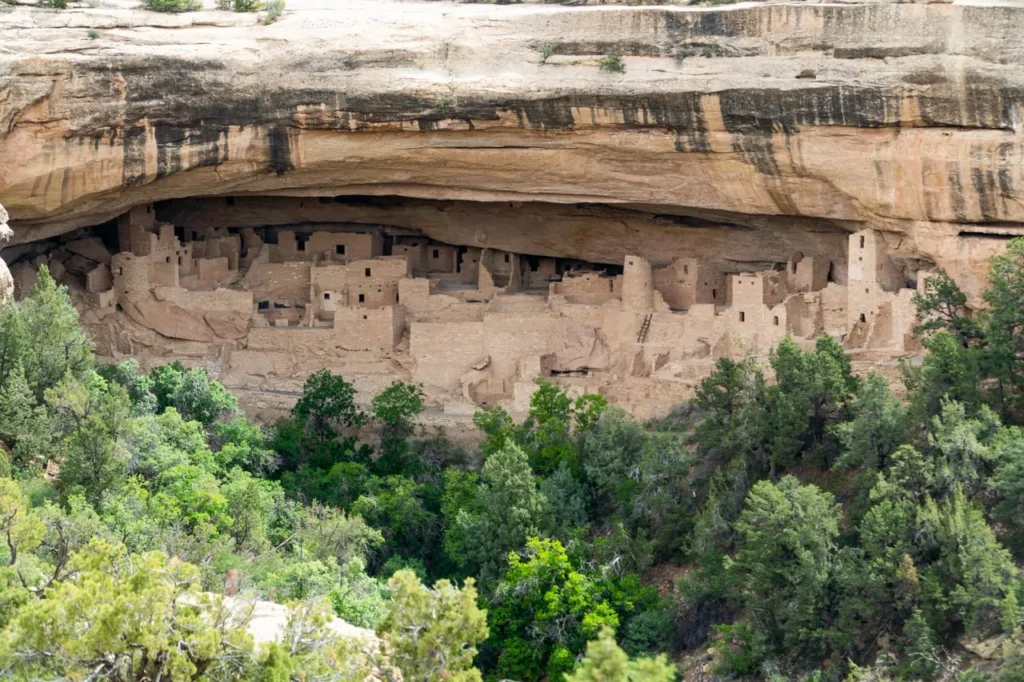
In this guide, we’re sharing everything you need to know to plan the perfect visit—including the top hikes, how to book cliff dwelling tours, where to stay nearby, and helpful tips to make your trip unforgettable. We recently set out on a 6-day road trip through Colorado, and Mesa Verde National Park was our first major destination. It completely blew us away! To date, we’ve visited 19 of the 63 U.S. National Parks, and no two have been alike. But Mesa Verde is one of the most unique parks we’ve experienced—and here’s why. While many national parks are celebrated for their rugged landscapes, wildlife, or dramatic views, Mesa Verde offers something totally different. This park was the first in the U.S. created to protect cultural and archaeological treasures, with over 5,000 documented sites, including some of the most impressive cliff dwellings in North America. From ladders that scale ancient stone walls to awe-inspiring views into centuries-old homes built into the cliffs, Mesa Verde feels like stepping back in time—and in this blog, we’ll walk you through how to make the most of it! If you want to see what Mesa Verde National Park is like, check out our YouTube video! About Mesa Verde National Park Mesa Verde National Park is a true cultural treasure, with deep roots stretching back over 1,400 years. The park protects more than 4,700 archaeological sites, including around 600 remarkably well-preserved cliff dwellings built by the Ancestral Pueblo people, who inhabited this region between 600 and 1300 AD. Throughout the park, you’ll discover a wide range of structures that tell the story of this ancient civilization—from pit houses and ceremonial kivas to farming villages, multi-story towers, and sacred temples carved into the rock faces. Established in 1906, Mesa Verde was one of the earliest national parks in the United States—and the first created to preserve cultural history rather than natural features. In 1978, it was recognized as a UNESCO World Heritage Site, highlighting its global importance and the need to protect its extraordinary legacy for generations to come. But Mesa Verde offers more than just archaeological wonders. The landscape itself is breathtaking. The name “Mesa Verde” means “green table” in Spanish—a reference to the lush plateaus, juniper forests, and rugged canyons that define the scenery here. Whether you’re gazing out over dramatic canyon overlooks or hiking through quiet, tree-lined mesas, the park delivers natural beauty to match its rich history. Before embarking on your adventure, please review the Leave No Trace principles to ensure you leave every place better than you found it, so that others can enjoy these beautiful places for many years to come! These seven principles include planning ahead and preparing, hiking and camping on durable surfaces, disposing of waste properly (pack out what you pack in!), understanding campfire rules and always fully extinguishing your fires, respecting wildlife, and being considerate of other visitors. The Different Areas of Mesa Verde National Park Mesa Verde National Park is divided into several distinct areas, each offering a different window into the lives of the Ancestral Pueblo people. For this guide, we’re breaking the park down into four main sections to help you plan your visit: Mesa Top Ruins Road – the main scenic route through the park Mesa Top Loop – home to ancient pithouses and early architecture Cliff Palace Loop – where you’ll find the park’s most iconic cliff dwellings Wetherill Mesa – a quieter side of the park with incredible guided tours Each area highlights unique types of dwellings, viewpoints, and historical significance—so it’s worth checking them all out if time allows. Thankfully, Mesa Verde isn’t a massive park and the different regions are relatively close to one another. With an early start and efficient planning, it’s possible to experience all four areas in a single day—just keep in mind that you may not have time to see everything each one has to offer. When to Visit Mesa Verde National Park 🗓️ When Is the Best Time to Visit Mesa Verde National Park? Mesa Verde is technically open year-round, but your experience in the park can vary quite a bit depending on the season. Here’s what you can expect during different times of the year—and how to make the most of your visit no matter when you go. ❄️ Winter at Mesa Verde If you’re looking to escape the crowds and enjoy the park in peaceful solitude, winter can be a surprisingly rewarding time to visit—as long as you’re okay with chilly temps and snow-covered trails. While many facilities (like the campground, lodge, and all guided cliff dwelling tours) are closed during the winter months, the park transforms into a quiet, snow-dusted landscape that’s perfect for snowshoeing or cross-country skiing. There are limited services this time of year, so come prepared and check road conditions ahead of your visit. But for those who enjoy cold-weather adventures, winter offers a totally different perspective of Mesa Verde. 📖 Check out the Winter Guide to Mesa Verde National Park for more tips! 🌼 Spring & Fall – Ideal Seasons for Fewer Crowds & Mild Weather For many visitors, spring and fall strike the perfect balance—offering cooler weather, fewer crowds, and more available amenities compared to winter. We personally visited in early May, and the conditions were amazing! The weather was comfortable, trails were open, and we were able to explore a good portion of the park without feeling rushed or crowded. These shoulder seasons are especially great if you’re hoping to do a lot of sightseeing in a short amount of time. Just keep in mind: 👉 Ranger-guided tours of cliff dwellings (like Long House and Cliff Palace) usually start in early May and wrap up by late October, so if these are on your must-see list (and they should be!), be sure to plan accordingly. ☀️ Summer – Peak Season with Maximum Access Summer is definitely the busiest season in Mesa Verde. With schools out and families hitting the road, expect larger crowds, more