

A Complete Guide to Visiting Zion National Park
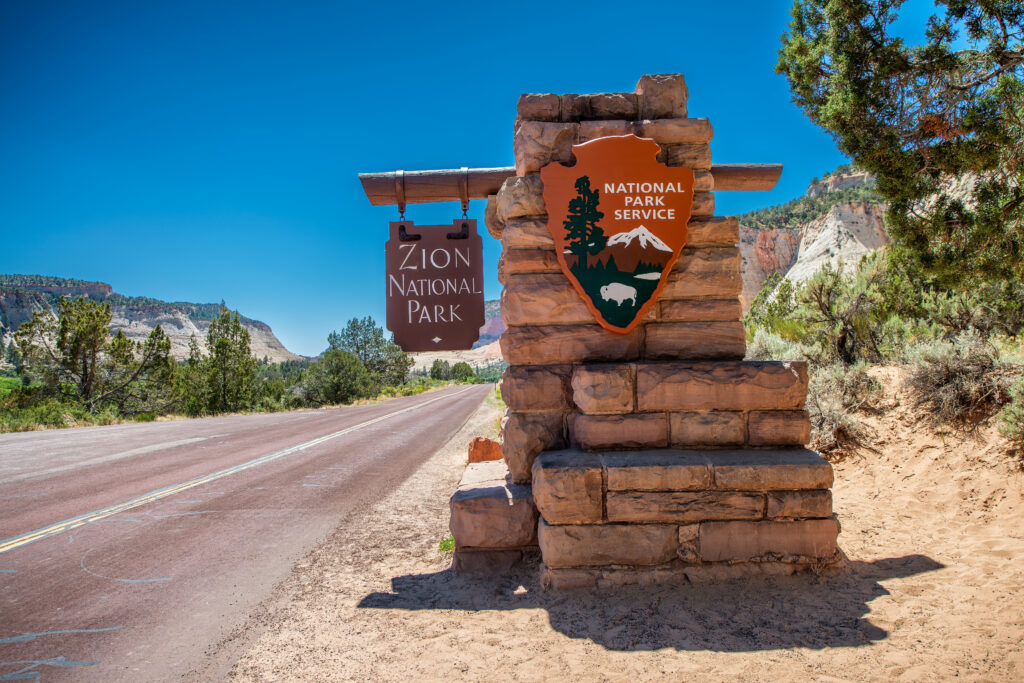
Zion National Park is one of the most iconic national parks in the United States—and for good reason. Towering sandstone cliffs, scenic canyon roads, river walks, famous hikes, and red rock views make this one of the most unforgettable places to visit in Utah. That’s where this Zion National Park visitor guide comes in! Located in the southwest corner of the state, Zion is part of Utah’s Mighty 5 and is a must-see stop on any Southern Utah road trip. Whether you’re planning your first visit, traveling with kids, or trying to fit Zion into a longer Utah itinerary, this guide will help you get started. This free Zion National Park visitor guide covers the basics—when to go, what to know, a few top hikes, where to stay, and how to avoid some of the biggest first-time mistakes. If you want the full planning breakdown, including detailed itineraries, trail notes, shuttle strategy, hidden gems, lodging recommendations, restaurant picks, and everything we use to plan our own Zion trips, be sure to grab our Premium Zion National Park Guide in our shop. About Zion National Park Zion National Park is known for its massive sandstone cliffs, narrow canyons, desert scenery, and the Virgin River, which carved the canyon over millions of years. The park is famous for hikes like Angels Landing, The Narrows, Emerald Pools, Canyon Overlook, and Watchman Trail. But Zion is more than just hiking. You’ll also find scenic drives, viewpoints, wildlife, photography spots, family-friendly walks, and nearby adventure experiences in Springdale and East Zion. Zion is open year-round, but your experience can feel completely different depending on the season, weather, shuttle schedule, and crowd levels. Before you visit, remember to follow the Leave No Trace principles. Stay on designated trails, pack out your trash, respect wildlife, avoid carving or writing on rocks, and be considerate of other visitors so Zion can be protected for future generations. Before embarking on your adventure, please review the Leave No Trace principles to ensure you leave every place better than you found it, so that others can enjoy these beautiful places for many years to come! These seven principles include planning ahead and preparing, hiking and camping on durable surfaces, disposing of waste properly (pack out what you pack in!), understanding campfire rules and always fully extinguishing your fires, respecting wildlife, and being considerate of other visitors. Best Time to Visit Zion is beautiful year-round, but some seasons are much easier to plan around than others. Spring: March–May Spring is one of the best times to visit Zion. Temperatures are usually comfortable, waterfalls may be flowing, and wildflowers start to appear throughout the canyon. Spring is also a popular season, especially around spring break, so expect crowds to build quickly. Summer: June–August Summer brings long days, hot temperatures, and some of the biggest crowds of the year. Afternoon temperatures can get extremely hot, so early morning hikes are best. This is also part of flash flood season, so always check current park conditions before entering The Narrows or any slot canyon. Fall: September–November Fall is one of our favorite times to visit Zion. Temperatures are more comfortable, the cottonwoods turn golden, and the park is still beautiful without the worst of the summer heat. October is especially popular because of the fall colors and great hiking weather. Winter: December–February Winter is the quietest season in Zion. You may see snow on the red rocks, which is absolutely beautiful, and crowds are much lighter. Some trails can be icy, and shuttle operations may be limited depending on the season, so check current conditions before your trip. Top Things to Do Ride the Zion Shuttle Through the Main Canyon Even if you only have one day in Zion, riding the shuttle through Zion Canyon is one of the best ways to see the park. The shuttle takes you to many of the most popular stops and trailheads, including: Court of the Patriarchs Zion Lodge The Grotto Big Bend Temple of Sinawava This is the classic Zion experience and a great way to get your first look at the canyon. Hike the Riverside Walk The Riverside Walk is one of the most accessible and family-friendly walks in Zion. It begins at the Temple of Sinawava, the last stop on the Zion Canyon shuttle, and follows the Virgin River into a beautiful canyon. This trail is also the beginning of the famous Narrows hike. It’s a great option if you want canyon views without doing a strenuous hike. Experience The Narrows The Narrows is one of Zion’s most unique hikes. Instead of hiking on a traditional dirt trail, you walk through the Virgin River between towering canyon walls. The bottom-up Narrows hike does not require a permit, but conditions matter a lot. Water levels, weather, and flash flood risk can change quickly. Before hiking The Narrows: Check current park conditions Check flash flood warnings Wear proper footwear (we LOVE Zion Guru, and if you use code AFV10 you can save 10% on all your rentals with them!) Consider renting Narrows gear in Springdale Do not enter if storms are in the forecast The Narrows is incredible, but it’s not a hike to take lightly. Hike Canyon Overlook Trail Canyon Overlook is one of the best short hikes in Zion. It’s located on the east side of the Zion-Mount Carmel Tunnel and offers a huge canyon view without a long hike. This is a great option for families, first-time visitors, or anyone who wants a big payoff with less mileage. Parking is limited, so go early if this hike is on your list. Visit Emerald Pools Emerald Pools is one of Zion’s classic hikes and a good option for visitors who want a shorter trail from the main canyon. There are lower, middle, and upper pool areas, so you can make this hike shorter or longer depending on your time, energy, and trail conditions. This area can get very busy, especially during peak season, so starting