

A Complete Guide to Visiting Glacier National Park
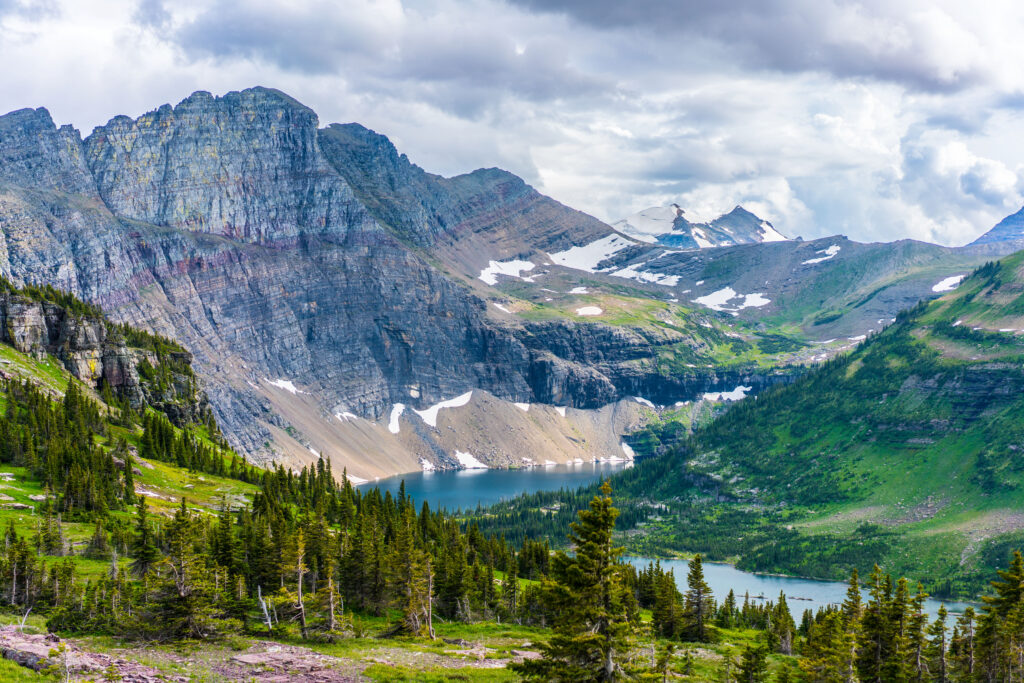
Glacier National Park is one of those places that almost doesn’t seem real until you see it for yourself. Turquoise lakes. Jagged mountain peaks. Alpine meadows covered in wildflowers. Waterfalls spilling down mountainsides. Historic lodges. Wildlife around almost every corner. And one of the most spectacular scenic roads in the United States. Located in northwestern Montana along the Canadian border, Glacier National Park is known as the Crown of the Continent—and once you visit, it’s easy to see why. But Glacier is also a park that takes a little more planning than many first-time visitors expect. The park is huge, its major areas are spread out, mountain roads are seasonal, weather can change quickly, and some of the most popular places can become very busy. This free Glacier National Park visitor guide will help you understand the basics, including: The best time to visit The main areas of the park The top things to do A few of the best hikes How much time you need Where to stay What to pack Important things to know before you go For the full planning breakdown—including our detailed itineraries, complete hiking guide, Going-to-the-Sun Road strategy, Logan Pass logistics, where to stay by region, photography locations, parking tips, and everything we use to plan a Glacier trip—grab our Premium Glacier National Park Guide in our shop. About Glacier National Park Glacier National Park sits along the Continental Divide in northwestern Montana and protects a spectacular landscape of mountains, lakes, forests, waterfalls, alpine meadows, and glacially carved valleys. The park is best known for places like: Going-to-the-Sun Road Lake McDonald Logan Pass Many Glacier St. Mary Lake Two Medicine Hidden Lake Overlook Avalanche Lake Grinnell Glacier What surprises many first-time visitors is that Glacier does not feel like one single park area. It is divided into several distinct regions, and driving from one part of the park to another can take much longer than you expect. The west side feels different from Many Glacier. Two Medicine offers a different experience from Logan Pass. The remote North Fork feels completely different from all of them. That is one of the things that makes Glacier so incredible—but it is also why having a good plan matters. Before visiting, remember to follow Leave No Trace principles. Stay on designated trails, pack out your trash, respect wildlife, never feed animals, and help protect this incredible landscape for future generations. You don’t need to understand every corner of Glacier before your trip, but knowing the major areas will make planning much easier. The Main Areas of Glacier National Park Going-to-the-Sun Road For most first-time visitors, this is the classic Glacier experience. Going-to-the-Sun Road crosses the park between West Glacier and St. Mary, climbing through forests and past waterfalls before reaching the Continental Divide at Logan Pass. Along the way, you’ll find some of Glacier’s most famous scenery, viewpoints, and trailheads. Lake McDonald Valley Located on the west side of the park, the Lake McDonald area is one of the easiest places to reach. This area is known for: Lake McDonald Colorful shoreline rocks Lake McDonald Lodge Trail of the Cedars Avalanche Lake It’s a great introduction to Glacier and especially good for families and first-time visitors. Logan Pass Logan Pass sits high along the Continental Divide and is one of the most spectacular areas in the park. It provides access to famous trails and is known for alpine scenery, wildflowers, mountain goats, and incredible views. It is also one of the busiest areas in Glacier, so understanding the current parking and shuttle system before your trip is extremely important. Many Glacier If hiking and dramatic mountain scenery are at the top of your list, Many Glacier deserves a place in your itinerary. This area is known for: Grinnell Glacier Iceberg Lake Swiftcurrent Lake Wildlife viewing Many Glacier Hotel Many Glacier feels like the heart of the park and has some of the most incredible scenery in Glacier. Two Medicine Two Medicine is a quieter part of the park that many first-time visitors overlook. You’ll find mountain views, waterfalls, trails, lake experiences, and a more relaxed atmosphere than some of Glacier’s busiest areas. If you have several days, it is absolutely worth considering. Best Time to Visit Glacier can be visited year-round, but the experience changes dramatically with the seasons. Spring: May–Mid-June Spring is beautiful, but access can be limited. Lower-elevation areas may be open while higher roads and trails are still covered in snow. Spring can be a good choice for: Fewer crowds Waterfalls Lower-elevation exploring Biking or walking sections of Going-to-the-Sun Road before it fully opens to vehicles You will need to be flexible because snow conditions control what is accessible. Summer: Mid-June–August Summer is Glacier’s busiest season and generally offers the greatest access to roads, trails, tours, and park services. July and August are ideal for visitors who want: High-elevation hiking Going-to-the-Sun Road Logan Pass Wildflowers Boat tours The widest range of available activities The tradeoff is larger crowds and more competition for parking. Fall: September–October Fall is one of our favorite times to visit Glacier. Crowds begin to thin after Labor Day, hiking temperatures become more comfortable, and the landscape begins changing color. Early and mid-September can offer a great balance of: Open trails Cooler weather Fewer crowds Wildlife activity Beautiful fall scenery Services begin closing as the season progresses, and mountain weather can change quickly. Winter: November–April Winter is quiet and beautiful, but access is limited. Much of the park becomes a destination for: Snowshoeing Cross-country skiing Winter photography Solitude Most first-time visitors looking for the full Glacier experience should plan for summer or early fall. Top Things to Do Drive Going-to-the-Sun Road Going-to-the-Sun Road is one of the most spectacular scenic drives in America and an essential part of a first trip to Glacier. The road climbs from forest and lake country into dramatic alpine scenery before crossing the Continental Divide at Logan Pass. Some of the places you may want to see