

A Complete Guide to Bryce Canyon National Park
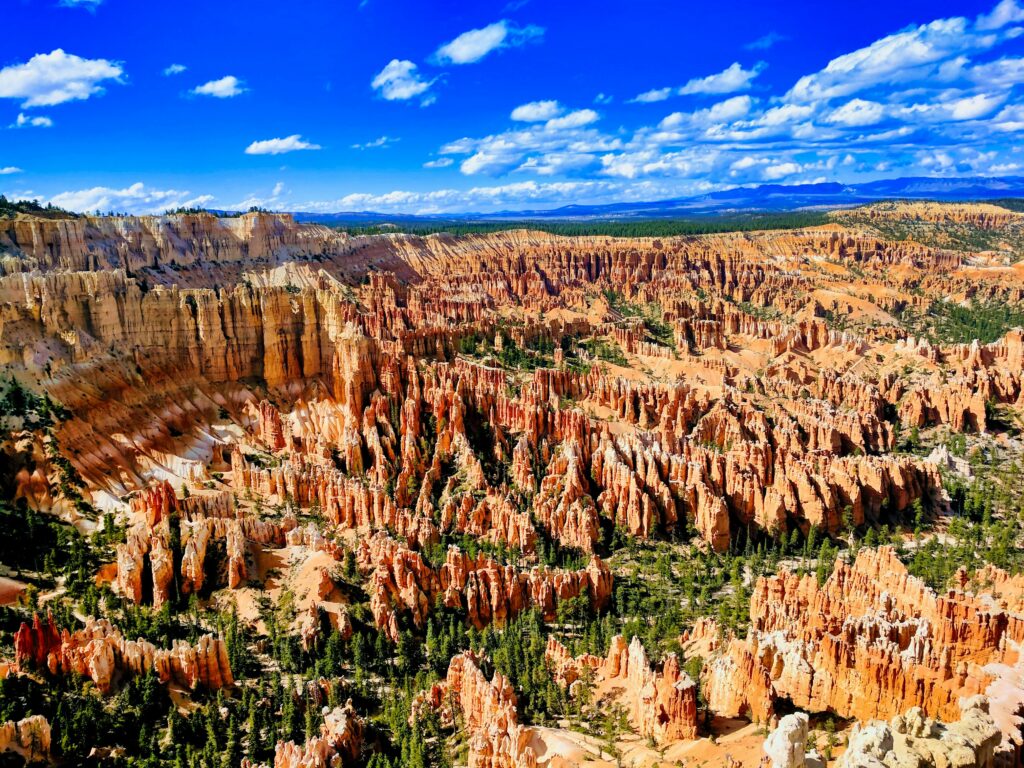
In this Complete Guide to visiting Bryce Canyon National Park, we’re giving you EVERYTHING you need to know to make it an unforgettable experience! Visiting Bryce Canyon National Park in summer is an experience that truly feels out of this world. We’ve explored Bryce Canyon in both summer and winter, and while every season offers its own kind of magic, there’s something especially unforgettable about those warm, sun-soaked days when the light sets the hoodoos ablaze in shades of orange and gold. Towering stone spires rise like natural cathedrals, sunlight dances across the canyon walls, and every overlook reveals a view more otherworldly than the last. In this complete Bryce Canyon summer guide, we’ll walk you through everything you need to plan your perfect adventure — from all 13 Bryce Canyon viewpoints to the best hikes, where to stay, and insider tips for beating the heat, catching those breathtaking sunsets, and making the most of your visit to one of Utah’s most iconic national parks. And at the end of this article we’ll give you 4 itinerary options that will cover you no matter how long you want to explore the park. About Bryce Canyon National Park Despite its name, Bryce Canyon isn’t technically a canyon — it’s a collection of amphitheaters carved into the Paunsaugunt Plateau in southern Utah. Over millions of years, wind, water, and frost sculpted these intricate rock formations known as hoodoos, giving Bryce one of the most unique landscapes in the world. The park sits at 8,000–9,000 feet in elevation, meaning cooler summer temps than nearby desert parks like Zion or Arches — a huge plus if you’re exploring with kids or hiking midday. It’s compact, incredibly photogenic, and easy to explore even in just one day — though we recommend two or three to fully take it in. 💡 Fun Fact: Bryce is one of the best places in the U.S. for stargazing. On a clear night, you can see over 7,500 stars with the naked eye! Best Time to Visit Bryce Canyon National Park 🌤️ Best Time to Visit Bryce Canyon Because of its high elevation (8,000–9,000 feet), Bryce Canyon has four distinct seasons — each offering something totally different. Summer brings warm days and long hikes, while spring and fall deliver perfect hiking temps and fewer crowds. Winter, of course, turns everything into a snowy wonderland (we cover that in our separate winter guide here!). Here’s what to expect in every season 👇 🌼 Spring (March–May)Spring is one of the most magical times to visit Bryce Canyon. The snow begins to melt, waterfalls and streams come alive again, and the meadows around the rim start to bloom with wildflowers. Daytime temps are usually in the 50s–70s — perfect for hiking and exploring without the summer crowds. This is also when you’ll start to see more wildlife — mule deer grazing near Sunrise Point and chipmunks darting between the hoodoos. 💡 Tip: Some trails (like Wall Street in the Navajo Loop) may still be closed due to ice early in the season, so always check conditions at the Visitor Center before hiking. ☀️ Summer (June–August)Summer is Bryce Canyon’s busiest and brightest season — long, warm days and crystal-clear skies make it ideal for exploring. Temperatures range from the 70s–80s during the day, but it still cools off dramatically at night thanks to the park’s high elevation. The key is timing. Mornings and evenings are absolutely perfect — that’s when the hoodoos glow with soft, golden light and the trails feel peaceful. Afternoons can bring both heat and summer thunderstorms, so plan your bigger hikes (like Navajo Loop or Peekaboo) early in the day. 💡 Adventure Tip: Beat the heat by hiking at sunrise, relaxing at your lodge or campsite mid-day, then heading back out for a sunset walk along the Rim Trail. If you’re lucky enough to visit in late July or early August, you might catch one of Bryce’s famous Night Sky Astronomy Programs — seeing the Milky Way stretch over the canyon is one of the coolest things we’ve ever seen! 🍂 Fall (September–October)Fall might be the most underrated time to visit Bryce Canyon. Crowds thin out, temperatures drop into the comfortable 50s–70s, and the aspen trees around the rim start glowing golden. The lower sun angle makes the light even more dramatic for photography — it feels like the whole canyon is painted in warm tones. 💡 Pro Tip: If you visit in early October, plan for both shorts and a jacket. Mornings can dip near freezing, but the afternoons are perfect for long hikes like Fairyland Loop or Peekaboo. This is also a great time to enjoy Bryce’s scenic drive — no rush, no traffic, just crisp mountain air and unreal views. ❄️ Winter (November–February)Bryce Canyon in winter feels like another world with snow on the red hoodoos, quiet trails, and clear, star-filled nights. Fewer people visit this time of year, so it’s the perfect season if you’re after solitude or snowshoe adventures. Trails can get icy, so traction cleats help, but on sunny days, you can still enjoy short rim walks or hikes down into the amphitheater. 💡 Note: If you’re visiting Bryce between late November and February, check out our full Winter Bryce Canyon Guide — it’s packed with details on snowshoeing, winter photography, and cozy stays. Bryce Canyon National Park Weather Getting to Bryce Canyon National Park Bryce Canyon is located in southern Utah, about: 1.5 hours from Zion National Park 2 hours from Kanab 4 hours from Salt Lake City 4.5 hours from Las Vegas ✈️ Closest Airports: Cedar City (CDC) – 1.5 hours St. George (SGU) – 2.5 hours Salt Lake City (SLC) – 4 hours 🚐 Park Shuttle: From April to mid-October, Bryce operates a free shuttle that runs between the Visitor Center, Bryce Canyon Lodge, and major overlooks — great for avoiding parking congestion. 💡 Pro Tip: Start your day early and take the shuttle straight to Sunrise Point for the