

Bryce Canyon National Park in Winter: Ultimate Guide
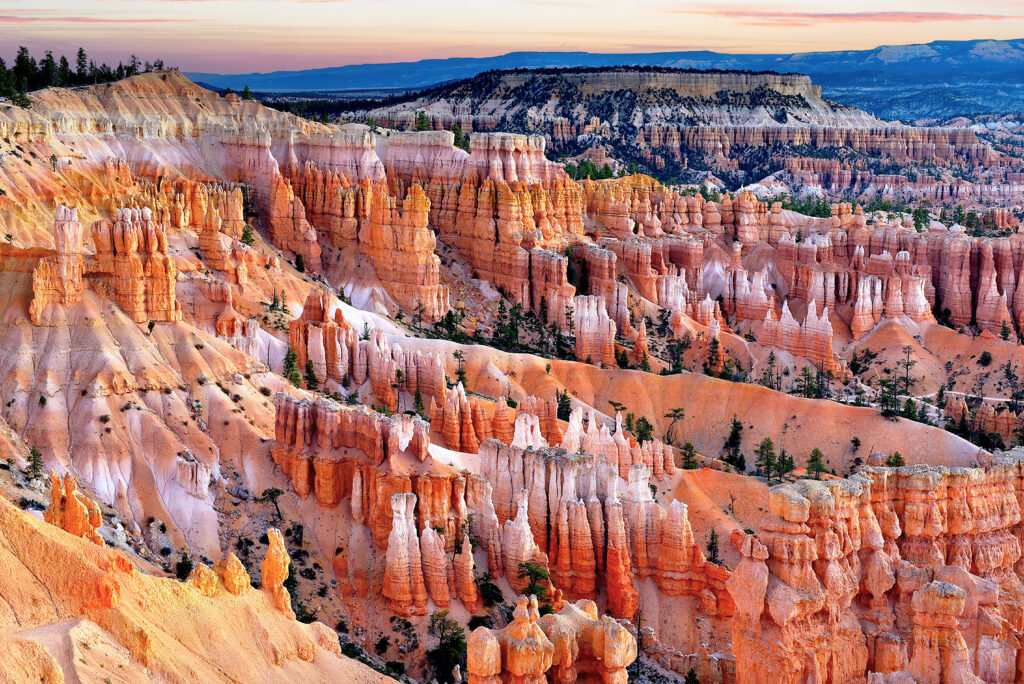
In this Bryce Canyon National Park in Winter Ultimate Guide we’re giving you all the tips and info you need to have an INCREDIBLE winter visit to this amazing park! Visiting Bryce Canyon National Park in Winter is where Heather and I FELL IN LOVE and it feels like stepping into a real-life snow globe — a peaceful, magical landscape where fiery red hoodoos glow beneath a blanket of white. Located in southern Utah, Bryce Canyon National Park transforms into a quiet wonderland during the colder months, offering fewer crowds, crisp mountain air, and breathtaking views you’ll never forget. We’ve explored Bryce in both summer and winter, and while each season is beautiful in its own way, there’s something truly special about seeing snow sparkle against those orange cliffs. In this Bryce Canyon National Park in Winter Ultimate Guide, we’ll share everything you need to plan your perfect cold-season adventure — from the best hikes and viewpoints to where to stay, what to pack, and how to safely explore the park’s icy trails. Whether you’re visiting for a romantic getaway, a family trip, or a snowy photography escape, Bryce Canyon in winter is one of Utah’s most unforgettable experiences. If you’re headed there for summer, check out our Bryce Canyon Summer Guide! About Bryce Canyon in Winter Winter at Bryce Canyon usually runs from November through March, when snowfall transforms the park into one of the most stunning landscapes in the entire Southwest. Bryce Canyon National Park is managed by the National Park Service and is known for its unique geological formations called hoodoos. The amphitheater — already breathtaking — becomes even more surreal when its orange spires are capped with white snow and framed by blue skies. Temperatures can range from the teens at night to the mid-40s during the day, and the elevation (8,000–9,000 feet) means snow can linger well into spring. Roads and trails are regularly plowed, and while some areas close temporarily after big storms, most of the main park remains open and accessible. 💡 Pro Tip: Pack layers — it might feel mild in the sun but drop quickly into freezing once the sun sets behind the cliffs. Why Visit Bryce Canyon in Winter Fewer Crowds: You’ll have the viewpoints practically to yourself. Incredible Photography: The contrast of red rock and snow is unmatched. Peaceful Trails: Perfect for quiet snowshoe hikes and winter photography. Night Skies: Cold, clear air means even sharper stargazing. Best Time to Visit Bryce Canyon in Winter Winter beauty peaks between December and February, when snowfall is most frequent. 🎄 December–January Expect heavy snow and the most dramatic scenery. Bundle up for those early morning rim walks — it’s chilly but magical. Just BE CAREFUL!! Don’t get too close to the edges because the snow can become icy and losing your footing can mean losing your life! ❄️ February–March Days get slightly warmer, and you’ll start to see more sun and accessible trails. 💡 Pro Tip: Plan your visit between storms if you can for clear roads and blue-sky days — check the Bryce Canyon NPS website for road and trail updates before you go. Bryce Canyon National Park Weather Getting to and Around Bryce Canyon National Park Bryce Canyon is remote, but easy to reach. Salt Lake City (SLC) – 4 hrs St. George (SGU) – 2.5 hrs Cedar City (CDC) – 1.5 hrs Las Vegas (LAS) – 4.5 hrs During winter, the free park shuttle does not operate, so you’ll drive your own vehicle. Roads are well-plowed, but 4WD or AWD is recommended after heavy snowfall. 💡 Pro Tip: Carry a small snow shovel and traction mats if you’re exploring after a storm — parking lots can get slick! Where to Stay in Bryce Canyon in Winter Inside the Park Bryce Canyon Lodge – This lodge is closed in winter, but definitely check for early spring openings. North Campground (Loop A) – Open year-round for hardy campers but expect freezing nights! If you’re one of the brave souls who loves to winter camp, this could be an awesome experience and probably feel very remote….even alone! Just Outside the Park Best Western Plus Bryce Canyon Grand Hotel – This is where we’ve stayed a few times and it’s great. Warm rooms, indoor pool, breakfast — it’s ideal for winter comfort and you can’t beat the location. Ruby’s Inn – We’ve stayed here as well and it’s an amazing stay. They rent snowshoes, have cozy fireplaces, and are less than 10 minutes from the park entrance. Bryce Canyon Pines – This is a cabin-style lodging with homey vibes and hearty meals. Another good option. The 13 Scenic Viewpoints of Bryce Canyon (from North to South) One of the best ways to experience Bryce Canyon National Park — especially in winter — is to start at the end of the scenic drive and make your way back toward the entrance. The 18-mile road winds along the rim, revealing 13 major overlooks that each capture a different side of Bryce Canyon’s otherworldly beauty. In winter, the snow-dusted hoodoos glow against the blue sky, and the light shifts dramatically as you move north — so by the time you reach the final overlooks, you’ll have seen Bryce Canyon under every shade of the winter sun. 💡 Pro Tip: The park’s plows usually clear the road to Rainbow Point by mid-morning. Start there and work your way back north — that way, all the overlooks are on your right-hand side, making them easy (and safe) to pull into, even in snowy conditions. 1. Rainbow Point & Yovimpa Point 🌈 The park’s highest viewpoint and your perfect starting point. At 9,115 feet, Rainbow Point is the highest spot in the park — and in winter, it often feels like you’re standing above the clouds. On clear days, you can see more than 100 miles across southern Utah’s layered landscape. Snow blankets the cliffs below, creating an unbelievable contrast of red, orange, and white. Just a