

How to Plan a Trip: Your Complete Step-by-Step Travel Guide
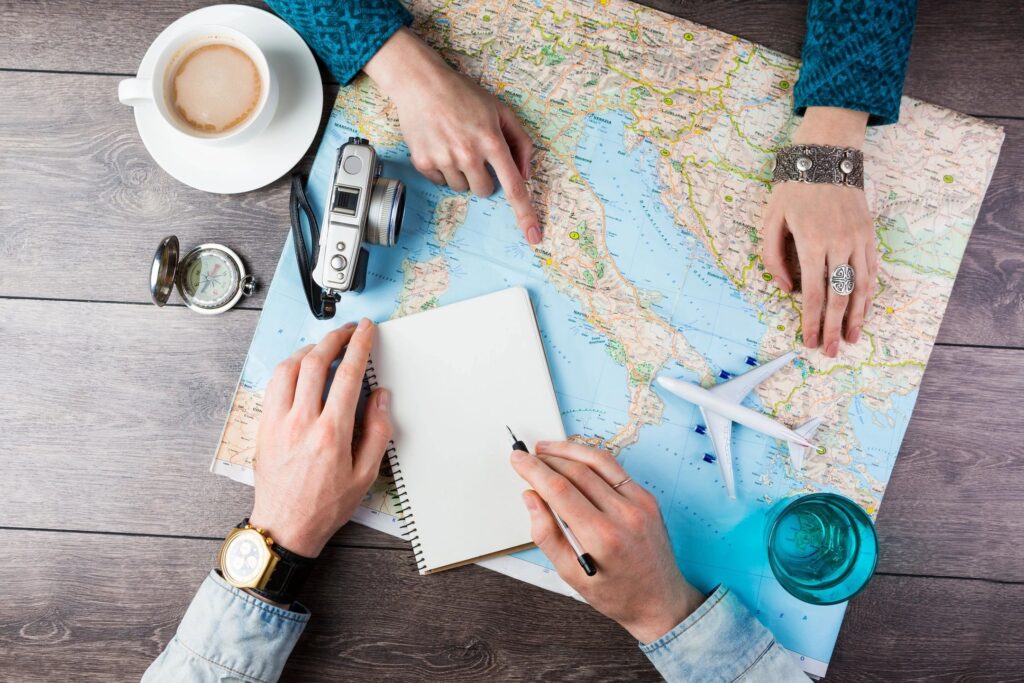
If you’ve ever felt overwhelmed by the idea of planning a trip, you’re not alone. There’s so much to think about — where to go, what to do, how to fit it all in — and sometimes just getting started can be the hardest part. I love trip planning. Like, really love it. I can happily spend hours falling down internet rabbit holes about restaurants, landmarks, hidden gems, and the best walking routes between them. I actually tend to try to cram in WAY MORE than I should, which can create some tension if I don’t communicate with my family about my ideas and get their input. Over time, I’ve found that doing the legwork before you leave can completely change the outcome of your vacation. You avoid the dreaded “what should we eat?” debates, don’t waste time zig-zagging across town, and make the most of your days. Of course, not everything goes according to plan — and that’s fine — but starting with a solid outline sets you up for a much smoother trip. That’s why we’ve put together this guide: to help you create your own smart, well-organized trip plan without spending weeks glued to your laptop. It’s the same process we use for our own travels, and it works whether you’re going somewhere for a weekend or a month. 1. Pick Your Destination This is often the trickiest part. The world’s huge, and there’s never enough time (or budget) to see it all. I’m always torn between visiting somewhere brand new or going back to a place that already has my heart. When deciding where to go, start with a few simple questions: What’s the vibe you’re looking for? Do you want the buzz of a big city? Lazy days on the beach? Mountain hikes? Or a mix of everything? Pin down the type of trip you’re craving — that alone can narrow your list fast. When can you go? Your travel dates can make a big difference. If you’re off work in the winter and want warm weather, head somewhere tropical. If you’re escaping summer heat, aim for cooler climates or destinations in the Southern Hemisphere. Consider peak vs. shoulder season Some places are wildly crowded (and pricey) at certain times of year. If you don’t mind slightly less-than-perfect weather, traveling during shoulder season can save money, reduce crowds, and still give you a great experience. Follow the deals Sometimes the destination chooses you. I’ve booked trips I didn’t expect to take simply because I found an amazing flight deal (more on that in Step 3). Go for a special event or experience Anchor your trip around something unique — like a music festival, cherry blossom season, or a famous scenic drive that’s only open part of the year. Need ideas? Here are some of our favorite places so far: Italy – Italy is a captivating blend of rich history, breathtaking landscapes, world-class cuisine, and vibrant culture, offering everything from ancient ruins and the canals of Venice to stunning coastlines and charming villages. Croatia – Croatia is a dazzling mix of crystal-clear Adriatic waters, medieval coastal towns, breathtaking islands, and rich cultural heritage, making it a dream destination for history lovers, nature enthusiasts, and beachgoers alike. And they have some of the best waterfalls you’ll ever see in Plitvice National Park. Hawaii – Hawaii is a tropical paradise where lush landscapes, stunning beaches, vibrant culture, and year-round sunshine come together to create the ultimate destination for relaxation, adventure, and natural beauty. Utah – Utah is an adventurer’s dream, boasting otherworldly red rock landscapes, five stunning national parks, year-round outdoor recreation, and a unique blend of natural beauty and rich pioneer heritage. Boston – Boston is a vibrant city where rich American history, world-class museums, charming neighborhoods, and a thriving food scene blend seamlessly with a lively sports culture and beautiful waterfront views. Do the Freedom Trail, either on your own or guided; it’s incredible! U.S. National Parks – Favorites include Yosemite, Zion, Yellowstone, Bryce, Acadia, Mesa Verde, and Arches. 2. Set a Travel Budget Once you’ve chosen where you’re headed, figure out how much you’re willing — and able — to spend. This includes the big stuff (flights, hotels, car rentals, taxis or Ubers) and the smaller daily costs (meals, gas, activities, tips, pet care, etc.). We use a simple travel budget spreadsheet to map out each trip. It helps us balance splurges with budget-friendly adventures so we can keep traveling without putting a strain on our finances. You can get our free spreadsheet here. 3. Track & Book Flights With your destination and budget in place, start watching airfare prices. We use a mix of free tools and paid alerts to make sure we rarely overpay. Free Tools We Love Google Flights – Lets you track specific routes and get notified when prices change. The “Explore” feature is great if you’re open to different destinations. Skyscanner – Often finds fares other sites miss, especially for international flights. Scott’s Cheap Flights (free version) – Sends alerts for discounted fares and even rare “mistake fares.” Paid Tools Worth It FareDrop – Lets you choose departure airports, destinations, and months, then sends targeted deal alerts. Hopper – Predicts whether prices will go up or down, helping you time your purchase. Pro Tip: Whenever possible, we book flights using credit card points. It’s the easiest way to get “free” travel — just by paying for everyday expenses with the right travel rewards card. 4. Book Accommodation Once flights are locked in, we jump on lodging. Popular spots can fill up quickly, especially in peak season. Our go-tos: Expedia.com – Great hotel deals and other things like rental cars. Airbnb – Perfect for longer stays, cooking meals, and feeling like a local. Booking.com – Great hotel deals and a wide range of vacation rentals. Tripadvisor – The best place to read unbiased reviews before committing. 5. Arrange Transportation Will you need a rental car? Public transit