

A Complete Guide to Visiting Arches National Park
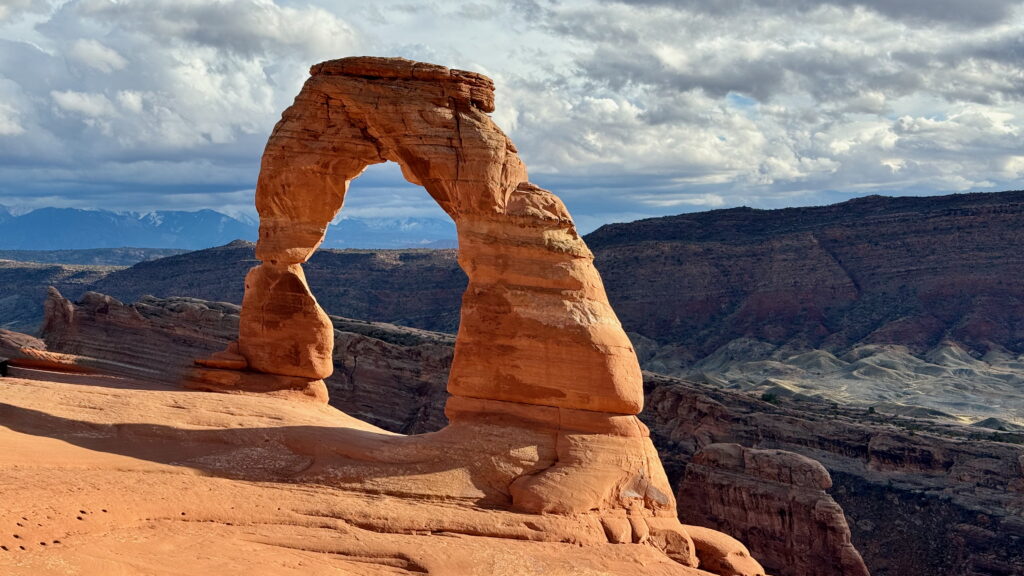
In this guide, we’re sharing everything you need to know to plan an unforgettable trip to Arches National Park—including the best hikes, when to go, where to stay and eat, and what to explore in the charming town of Moab. We recently visited Arches on a Southern Utah road trip, and the red rock landscapes left us in total awe. From iconic natural arches to epic hikes and stunning desert sunsets, Arches is one of the most photogenic and accessible national parks in the country. Whether you’re planning a family vacation or a quick weekend adventure, this blog will help you make the most of your visit! If you want to see what it’s like in Arches National Park, check out our YouTube video! About Arches National Park Arches National Park, located in eastern Utah just outside Moab, is home to more than 2,000 natural stone arches—more than any other place on Earth. These arches, along with towers, pinnacles, and fins, were sculpted over millions of years by wind, water, and erosion in the high desert climate. The park spans over 76,000 acres and offers visitors a chance to explore dramatic landscapes filled with brilliant red rock, sweeping canyons, and views that seem straight out of a movie. Fun fact: many classic westerns were filmed in the Moab area, and Arches continues to be a favorite location for photographers, adventurers, and families alike. Established as a national park in 1971 (though it was a national monument before that), Arches is a must-see destination for anyone looking to explore Utah’s famous “Mighty 5.” Before embarking on your adventure, please review the Leave No Trace principles to ensure you leave every place better than you found it, so that others can enjoy these beautiful places for many years to come! These seven principles include planning ahead and preparing, hiking and camping on durable surfaces, disposing of waste properly (pack out what you pack in!), understanding campfire rules and always fully extinguishing your fires, respecting wildlife, and being considerate of other visitors. The Different Areas of Arches National Park While Arches is a relatively small national park compared to others, it packs a lot into its scenic 18-mile main road. These are the main areas to explore, each with unique formations and accessible trailheads: 1. Park Avenue & Courthouse Towers First major stop after entering the park Tall stone walls resembling a city skyline Park Avenue Trail: 2-mile round trip walk through the canyon (great early morning light) 2. La Sal Mountains Viewpoint Epic panoramic view with contrast between red rock and snow-capped La Sal Mountains 3. Balanced Rock One of the most iconic features, viewable from the road Easy 0.3-mile loop around the formation 4. The Windows Section Home to North & South Windows, Turret Arch, and Double Arch Family-friendly hikes under 1 mile, fantastic for sunrise or sunset Great for photography and stargazing 5. Delicate Arch Area The park’s most famous feature, featured on Utah license plates Three viewpoints: Lower Viewpoint (wheelchair-accessible) Upper Viewpoint (short climb) Delicate Arch Trail (3 miles round trip, moderately strenuous hike up slickrock) 6. Devils Garden Home to Landscape Arch, the longest natural arch in North America Additional arches along the loop: Tunnel, Pine Tree, Navajo, Double O, Private Arch Total hike: 7.9-mile loop (you can do as much or as little as you like) 7. Fiery Furnace A maze of narrow sandstone canyons Requires a ranger-led tour or special permit Not recommended for young kids or anyone uncomfortable with tight spaces When to Visit Arches National Park 🗓️ When Is the Best Time to Visit Arches National Park? 🌼 Spring (March–May) Best weather: 60s–80s°F Wildflowers bloom, especially in April Popular season, so reserve permits and lodging early ☀️ Summer (June–August) Extremely hot: temps can exceed 100°F Start hikes early (sunrise) or explore scenic drives midday Bring at least 1 gallon of water per person per day 🍂 Fall (September–October) Cooler temps, fewer crowds Fall colors in the nearby La Sal Mountains Great time for night photography and stargazing ❄️ Winter (November–February) Quiet season with fewer visitors Occasional snow adds magical contrast to red rocks Roads can be icy; some trails may be closed or slippery 📝 Timed Entry Permits From April 1 to October 31, you need a timed-entry reservation between 7 AM and 4 PM. Book your entry on Recreation.gov. Getting To and Around Arches National Park Closest Town: Moab, Utah By Car: Arches is 5 miles north of downtown Moab off US-191. The park road is steep at the entrance and winds through viewpoints and trailheads. No public transportation or shuttle system, so you’ll need your own vehicle. Closest Airports: Canyonlands Field (CNY) – 18 miles from Arches (limited service) Grand Junction, CO (GJT) – 110 miles, ~2-hour drive Salt Lake City (SLC) – 230 miles, ~4-hour drive 🛞 Rental cars are available at all airports. A high-clearance vehicle is not required for Arches, but helpful if you plan to explore nearby off-road routes. Where To Stay Near Arches National Park ⛺ Inside the Park Devils Garden Campground The only campground in Arches Open year-round; reservations required March–October 51 sites, some with RV hookups $25/night; book early—it sells out quickly! 🏨 Hotels in Moab Hyatt Place Moab – Modern, family-friendly, great pool Hoodoo Moab by Hilton – Upscale, walking distance to downtown Aarchway Inn – Closer to park entrance, spacious rooms 🛖 Lodges & Resorts Red Cliffs Lodge – On the Colorado River, horseback rides, winery on-site Sorrel River Ranch – Luxury cabins, spa, farm-to-table restaurant 🏠 Vacation Rentals Modern Desert Escape – 2BR, backyard patio, 10 mins to Arches Cozy Adobe Casita – Studio with views and Southwestern decor Adventure Basecamp – 3BR, fenced yard, hot tub, pet-friendly How Much Time Do You Need at Arches National Park? You can see the major highlights in one full day, but ideally, plan for 2–3 days to hike more trails, photograph arches at sunrise/sunset, and avoid mid-day
A Complete Guide to Visiting Mesa Verde National Park
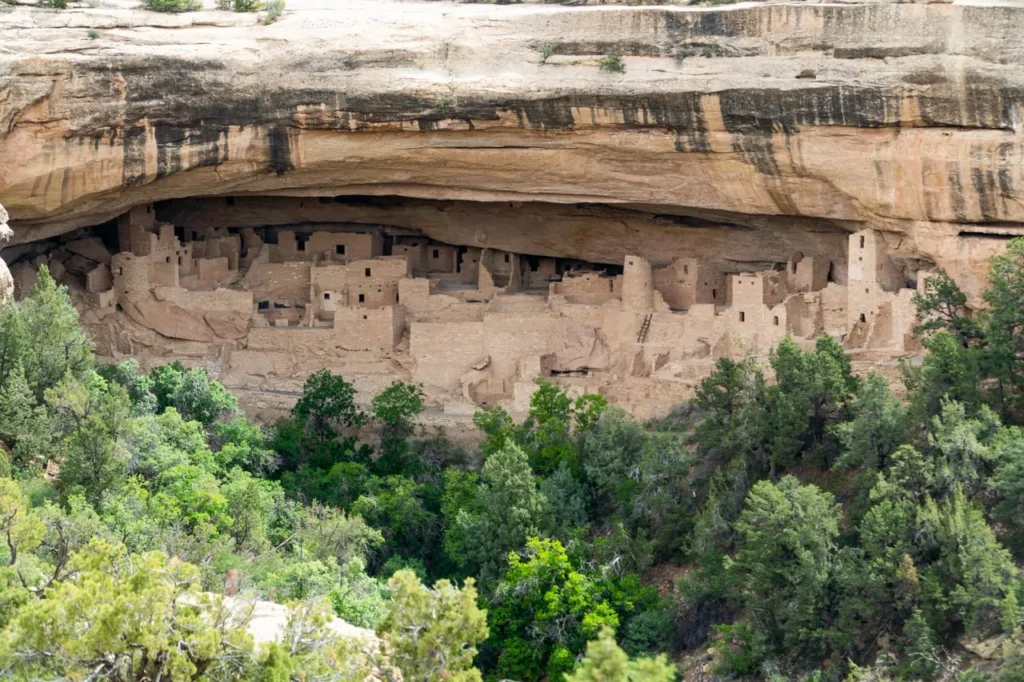
In this guide, we’re sharing everything you need to know to plan the perfect visit—including the top hikes, how to book cliff dwelling tours, where to stay nearby, and helpful tips to make your trip unforgettable. We recently set out on a 6-day road trip through Colorado, and Mesa Verde National Park was our first major destination. It completely blew us away! To date, we’ve visited 19 of the 63 U.S. National Parks, and no two have been alike. But Mesa Verde is one of the most unique parks we’ve experienced—and here’s why. While many national parks are celebrated for their rugged landscapes, wildlife, or dramatic views, Mesa Verde offers something totally different. This park was the first in the U.S. created to protect cultural and archaeological treasures, with over 5,000 documented sites, including some of the most impressive cliff dwellings in North America. From ladders that scale ancient stone walls to awe-inspiring views into centuries-old homes built into the cliffs, Mesa Verde feels like stepping back in time—and in this blog, we’ll walk you through how to make the most of it! If you want to see what Mesa Verde National Park is like, check out our YouTube video! About Mesa Verde National Park Mesa Verde National Park is a true cultural treasure, with deep roots stretching back over 1,400 years. The park protects more than 4,700 archaeological sites, including around 600 remarkably well-preserved cliff dwellings built by the Ancestral Pueblo people, who inhabited this region between 600 and 1300 AD. Throughout the park, you’ll discover a wide range of structures that tell the story of this ancient civilization—from pit houses and ceremonial kivas to farming villages, multi-story towers, and sacred temples carved into the rock faces. Established in 1906, Mesa Verde was one of the earliest national parks in the United States—and the first created to preserve cultural history rather than natural features. In 1978, it was recognized as a UNESCO World Heritage Site, highlighting its global importance and the need to protect its extraordinary legacy for generations to come. But Mesa Verde offers more than just archaeological wonders. The landscape itself is breathtaking. The name “Mesa Verde” means “green table” in Spanish—a reference to the lush plateaus, juniper forests, and rugged canyons that define the scenery here. Whether you’re gazing out over dramatic canyon overlooks or hiking through quiet, tree-lined mesas, the park delivers natural beauty to match its rich history. Before embarking on your adventure, please review the Leave No Trace principles to ensure you leave every place better than you found it, so that others can enjoy these beautiful places for many years to come! These seven principles include planning ahead and preparing, hiking and camping on durable surfaces, disposing of waste properly (pack out what you pack in!), understanding campfire rules and always fully extinguishing your fires, respecting wildlife, and being considerate of other visitors. The Different Areas of Mesa Verde National Park Mesa Verde National Park is divided into several distinct areas, each offering a different window into the lives of the Ancestral Pueblo people. For this guide, we’re breaking the park down into four main sections to help you plan your visit: Mesa Top Ruins Road – the main scenic route through the park Mesa Top Loop – home to ancient pithouses and early architecture Cliff Palace Loop – where you’ll find the park’s most iconic cliff dwellings Wetherill Mesa – a quieter side of the park with incredible guided tours Each area highlights unique types of dwellings, viewpoints, and historical significance—so it’s worth checking them all out if time allows. Thankfully, Mesa Verde isn’t a massive park and the different regions are relatively close to one another. With an early start and efficient planning, it’s possible to experience all four areas in a single day—just keep in mind that you may not have time to see everything each one has to offer. When to Visit Mesa Verde National Park 🗓️ When Is the Best Time to Visit Mesa Verde National Park? Mesa Verde is technically open year-round, but your experience in the park can vary quite a bit depending on the season. Here’s what you can expect during different times of the year—and how to make the most of your visit no matter when you go. ❄️ Winter at Mesa Verde If you’re looking to escape the crowds and enjoy the park in peaceful solitude, winter can be a surprisingly rewarding time to visit—as long as you’re okay with chilly temps and snow-covered trails. While many facilities (like the campground, lodge, and all guided cliff dwelling tours) are closed during the winter months, the park transforms into a quiet, snow-dusted landscape that’s perfect for snowshoeing or cross-country skiing. There are limited services this time of year, so come prepared and check road conditions ahead of your visit. But for those who enjoy cold-weather adventures, winter offers a totally different perspective of Mesa Verde. 📖 Check out the Winter Guide to Mesa Verde National Park for more tips! 🌼 Spring & Fall – Ideal Seasons for Fewer Crowds & Mild Weather For many visitors, spring and fall strike the perfect balance—offering cooler weather, fewer crowds, and more available amenities compared to winter. We personally visited in early May, and the conditions were amazing! The weather was comfortable, trails were open, and we were able to explore a good portion of the park without feeling rushed or crowded. These shoulder seasons are especially great if you’re hoping to do a lot of sightseeing in a short amount of time. Just keep in mind: 👉 Ranger-guided tours of cliff dwellings (like Long House and Cliff Palace) usually start in early May and wrap up by late October, so if these are on your must-see list (and they should be!), be sure to plan accordingly. ☀️ Summer – Peak Season with Maximum Access Summer is definitely the busiest season in Mesa Verde. With schools out and families hitting the road, expect larger crowds, more