
A Complete Guide to Visiting Sedona, Arizona
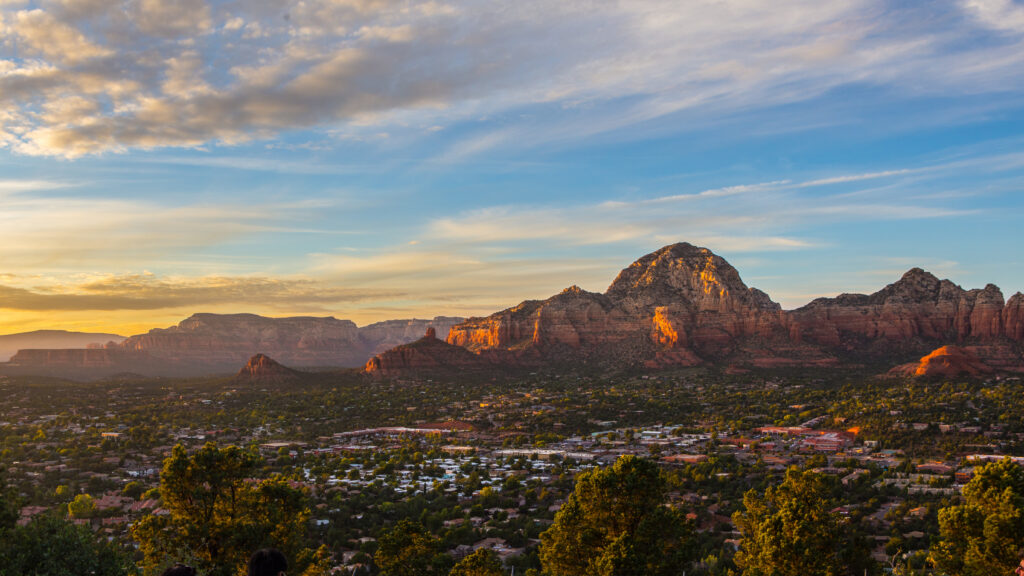
Sedona is one of the most beautiful places in Arizona. Red rock formations rise out of the desert, trails wind across slickrock and canyon walls, Oak Creek cuts through the landscape, and nearly every turn gives you another postcard-worthy view. But here’s the thing most first-time visitors get wrong: Sedona is not just a quick photo stop on the way to the Grand Canyon. It is a destination that deserves time. Yes, you can drive through, stop at a few overlooks, walk around Uptown, and say you saw Sedona. But the best parts of Sedona happen when you slow down, get out of the car, hike the trails, visit the heritage sites, explore Oak Creek Canyon, and build your trip around more than the same five crowded viewpoints. That’s where this Sedona Arizona travel guide comes in. This free guide covers the basics you need to start planning, including: The best time to visit Sedona How many days you need Where to stay How to get around The Red Rock Pass Sedona shuttle tips The best hikes to know about Oak Creek Canyon and Slide Rock Sedona vortex sites Heritage and culture Scenic drives and day trips Where to eat What to pack Common planning mistakes For the full planning breakdown, our Ultimate Sedona Arizona Travel Guide 2026 includes 20+ hikes and trail cards, all four major vortex sites, Oak Creek Canyon, Slide Rock, West Fork, heritage sites, lodging areas, tours, scenic drives, realistic itineraries, budget planning, safety tips, and quick-reference planning checklists. 👉 Grab the complete Sedona Arizona Travel Guide in our shop and plan your red rock adventure with confidence. Why Visit Sedona? Sedona sits at the mouth of Oak Creek Canyon, where red and orange sandstone formations rise above juniper, pinyon pine, desert trails, and winding canyon roads. It is one of those places that feels almost unreal the first time you see it. Sedona is known for: Red rock formations World-class hiking Slickrock trails Vortex sites Oak Creek Canyon Slide Rock State Park West Fork Trail Chapel of the Holy Cross Jeep tours Art galleries Scenic drives Stargazing Day trips to Jerome, Flagstaff, and the Grand Canyon A lot of visitors try to do Sedona as a single-day trip from Phoenix. You can do that. But you will mostly see the drive-up viewpoints and the most crowded areas. Sedona is much better with at least two full days, and three to four days is even better if you want to hike, explore Oak Creek Canyon, visit a heritage site, take a Jeep tour, or add a day trip. 💡 Adventure Family Tip: Budget a minimum of two full days if hiking is part of your plan. Plan three to four days if you want Sedona, Oak Creek Canyon, a heritage site, and a day trip without feeling rushed. Sedona at a Glance Recommended Trip Length For most first-time visitors, we recommend: 1 day: Quick highlights only 2 days: A better introduction with hiking and town time 3 days: Ideal for hiking, Oak Creek, and culture 4 days: Best if adding Jerome, Flagstaff, or a longer day trip Closest Airports The most common airport options are: Phoenix Sky Harbor International Airport: about 2 hours by car Flagstaff Pulliam Airport: about 45 minutes to 1 hour by car Phoenix usually has the most flight options, while Flagstaff is closer and more scenic. Elevation Sedona sits around 4,350 feet, which makes it noticeably cooler than Phoenix. That matters when you are packing. A trip that starts hot in the Valley may feel cooler in Sedona, especially in the mornings, evenings, and winter months. Do You Need a Car? Yes. Sedona is spread out, and most trailheads, scenic drives, heritage sites, and day trips require driving. Uptown Sedona is walkable, but Sedona as a whole is not an easy car-free destination. Understanding Sedona’s Layout Sedona is compact, but where you stay still matters. Most visitors choose between four main areas: Uptown Sedona Uptown is the most walkable and tourist-friendly area. It is best for: First-time visitors Walkable dining Shops and galleries Easy evening strolls Classic Sedona energy It is also one of the busiest and most expensive areas. Stay here if you want convenience and do not mind crowds. West Sedona West Sedona feels more practical and local. It is best for: Budget-conscious travelers Grocery stores Casual restaurants Easier access to many trailheads Lower lodging prices It is not as scenic as Uptown, but it is very convenient. Village of Oak Creek The Village of Oak Creek sits south of Uptown near Bell Rock and Courthouse Butte. It is best for: A quieter base Mid-range lodging Bell Rock access Less tourist traffic Dark-sky evenings This is a great option if you want to be close to some of Sedona’s most iconic formations without staying in the busiest part of town. Oak Creek Canyon Oak Creek Canyon is north of Sedona toward Flagstaff. It is best for: Creek-side lodging Romantic stays Nature-focused trips Slide Rock access West Fork Trail access A quieter, more scenic setting The tradeoff is that you will drive 15–25 minutes back into Sedona for many restaurants, shops, and trailheads. Best Time to Visit Sedona Sedona can be visited year-round, but each season feels different. Winter Winter is one of the quietest times to visit Sedona. Expect: Smaller crowds Daytime highs often in the 50s and 60s Cold mornings and nights Occasional light snow on red rock Better lodging prices than peak season Winter can be beautiful for hiking, photography, and travelers who want a slower trip. Spring Spring is one of the most popular times to visit Sedona. Expect: Comfortable hiking temperatures Wildflowers in some areas Busy trailheads Heavy traffic Higher lodging prices March and April can be especially crowded. Book lodging early and start hikes early. Summer Summer is hot. Expect: Highs often in the 90s or higher Intense sun on exposed slickrock Early morning hiking only Oak Creek swimming Slide Rock crowds Monsoon storms