

The Ultimate Southwest Road Trip Itinerary: Las Vegas to Moab Through Utah’s National Parks
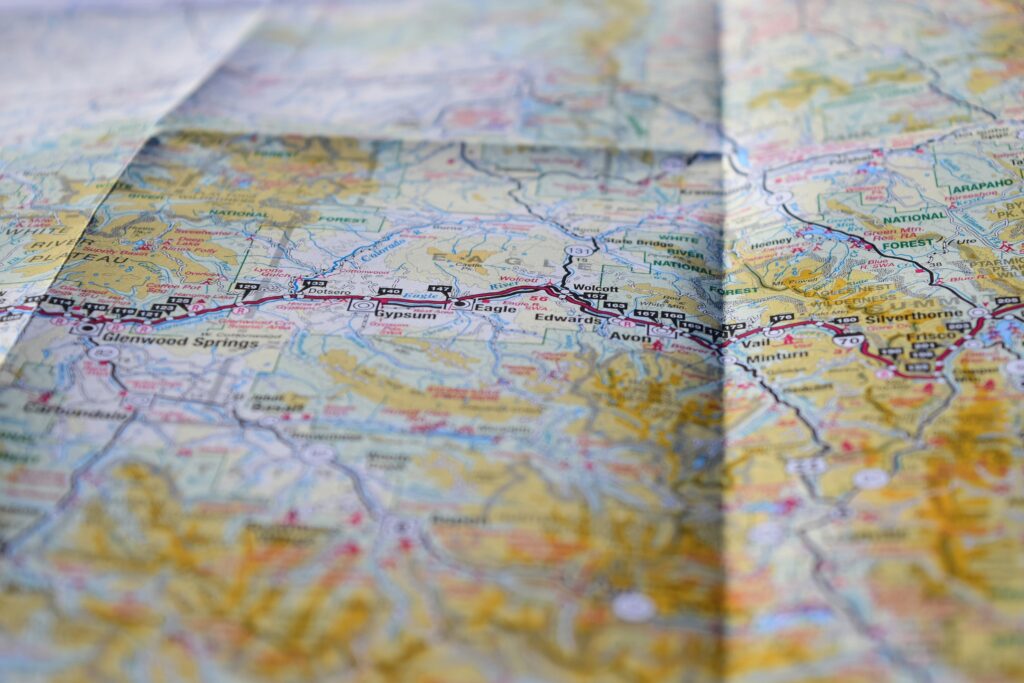
If you’ve ever dreamed of taking the ultimate Southwest road trip, this Las Vegas to Moab itinerary is the one you need to do at least once. This iconic route takes you through some of the most jaw-dropping landscapes in the United States, including Valley of Fire State Park, Zion National Park, Bryce Canyon National Park, Capitol Reef National Park, Arches National Park, and Canyonlands National Park. When we drove this amazing Southwest road trip itinerary we kept asking ourselves, “How is all of this in one region?” From fiery red rock canyons and narrow slot canyons to towering sandstone arches and Mars-like desert landscapes, this drive is truly one of the most unforgettable Utah national parks road trips you can take. In this complete guide, we’re sharing everything you need to plan the perfect Southwest road trip — including the exact route from Las Vegas to Moab, mileage and drive times between stops, where to stay, where to eat, hidden gems, and the must-see viewpoints and hikes at every destination. Driving Overview: Route Segment Mileage Drive Time Las Vegas → Valley of Fire 55 miles 1 hr Valley of Fire → Zion National Park 85 miles 1 hr 30 min Zion → Bryce Canyon 85 miles 1 hr 40 min Bryce Canyon → Capitol Reef 115 miles 2 hrs 15 min Capitol Reef → Hanksville 38 miles 45 min Hanksville → Arches (Moab) 110 miles 2 hrs Moab → Canyonlands (Island in the Sky) 35 miles 40 min ABOUT THIS SOUTHWEST ROAD TRIP This itinerary starts in Las Vegas, Nevada and travels northeast through Utah’s most stunning parks and adventure towns before finishing in Moab, home to Arches and Canyonlands National Parks. Total Distance: ~600 miles Recommended Duration: 5–10 days Best For: Families, couples, outdoor lovers, photographers, adventure travelers This road trip covers 6 major parks + 2 iconic desert regions, in this order: Valley of Fire State Park Zion National Park Bryce Canyon National Park Capitol Reef National Park Hanksville (Mars-like scenery at Factory Butte, Moonscape Overlook, and Long Dong Silver Spire and the Bentonite Hills!) Arches National Park Canyonlands National Park Moab (an adventure hub) Every destination is epic on its own—but together, this route tells the full story of the Southwest, from ancient sandstone waves to towering hoodoos to wide desert plateaus. BEST TIME TO DO THIS ROAD TRIP Any time of year is amazing to do this road trip; it just depends on what you’re looking for out of the trip. Below are a few comments on what each season brings and why you may want to take the road trip during this time of year. Spring (March–May) – Best overall season The spring provides perfect hiking temps, blooming desert plants, and fewer crowds before summer peaks. Zion and Bryce are exceptional in the spring. Summer (June–August) – Hot but manageable This is when sunrise adventures are prime. Wake early, rest during mid-day, and then in the afternoon enjoy the golden hour magic. The Narrows in Zion is epic this time of year. Fall (September–October) – Adventure Family’s favorite The fall brings with it crisp mornings, cool evenings, and warm canyon colors. The trail conditions are fantastic across this entire route this time of year. Winter (November–February) – Highly underrated In winter Bryce Canyon becomes a snow-covered fantasy world. It’s incredible! There’s fewer crowds everywhere so you’re not fighting for the best views, and you can almost feel alone during this time of year, which is unheard of in our National Parks! Be sure to bring layers and traction devices for hiking in the snow and ice. STOP 1: VALLEY OF FIRE STATE PARK 📍 From Las Vegas: 53 miles — 55 minutes Welcome to one of the most underrated desert parks in the country. If you’ve only ever seen Valley of Fire in photos, prepare to be shocked at how bright and colorful the landscape is in real life. Between bright red sandstone, candy-striped rock formations, and slot canyons carved by wind and water, Valley of Fire is the perfect warm-up for your Southwest road trip. Here are some things you should definitely try to do in Valley of Fire State Park. VALLEY OF FIRE STATE PARK HIKES Fire Wave Trail (1.5 miles roundtrip) This is one of those hikes where kids will actually want to keep walking because the landscape is so wild. The striped red-and-white sandstone really does look like a frozen wave, and every turn feels photo-worthy. The trail is short, but the payoff is huge, making it a great introduction to Southwest hiking for families. Family Tips: No shade — hike early morning or near sunset Bring more water than you think you need Great for kids who enjoy light scrambling Slickrock can be slippery after rain Pink Canyon / Pastel Canyon (Easy, unmarked exploration) Pink Canyon — sometimes called Pastel Canyon — feels like a hidden secret inside Valley of Fire. Unlike the deep red formations the park is famous for, this area features soft pinks, creams, and pastel tones that almost look painted onto the rock. There’s no official trail here, which actually makes the experience even more fun. You’re free to wander, explore, and discover your own route through smooth sandstone bowls and small canyon pockets. It’s a slower-paced, curiosity-driven stop that works incredibly well for families. Family tips: This is more exploration than hiking — perfect for younger kids Stay within sight of your group; it’s easy to wander Go mid-morning or late afternoon for the best colors Great spot for creative photos and letting kids explore safely White Domes Trail + Slot Canyon (1.2 miles loop) This trail packs a lot into a short distance: wide-open desert views, an arch, a narrow slot canyon, and even an old movie set. The slot canyon section adds excitement without being intimidating, which makes it especially fun for kids. It’s one of the best “variety” hikes on the entire road trip. Family tips: The slot canyon stays
Bryce Canyon National Park in Winter: Ultimate Guide
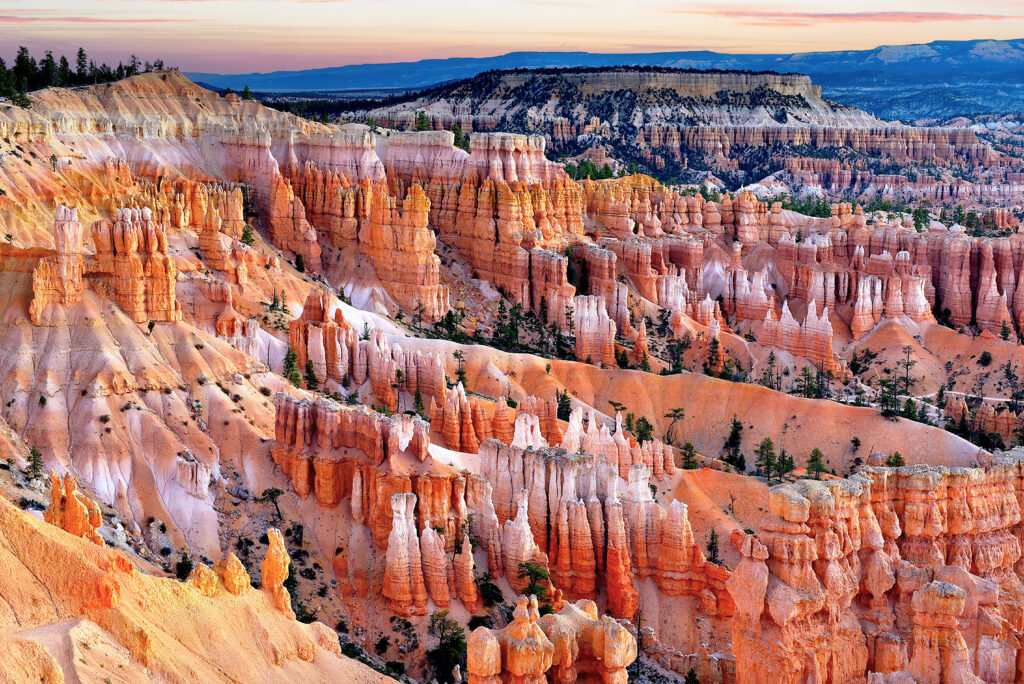
In this Bryce Canyon National Park in Winter Ultimate Guide we’re giving you all the tips and info you need to have an INCREDIBLE winter visit to this amazing park! Visiting Bryce Canyon National Park in Winter is where Heather and I FELL IN LOVE and it feels like stepping into a real-life snow globe — a peaceful, magical landscape where fiery red hoodoos glow beneath a blanket of white. Located in southern Utah, Bryce Canyon National Park transforms into a quiet wonderland during the colder months, offering fewer crowds, crisp mountain air, and breathtaking views you’ll never forget. We’ve explored Bryce in both summer and winter, and while each season is beautiful in its own way, there’s something truly special about seeing snow sparkle against those orange cliffs. In this Bryce Canyon National Park in Winter Ultimate Guide, we’ll share everything you need to plan your perfect cold-season adventure — from the best hikes and viewpoints to where to stay, what to pack, and how to safely explore the park’s icy trails. Whether you’re visiting for a romantic getaway, a family trip, or a snowy photography escape, Bryce Canyon in winter is one of Utah’s most unforgettable experiences. If you’re headed there for summer, check out our Bryce Canyon Summer Guide! About Bryce Canyon in Winter Winter at Bryce Canyon usually runs from November through March, when snowfall transforms the park into one of the most stunning landscapes in the entire Southwest. Bryce Canyon National Park is managed by the National Park Service and is known for its unique geological formations called hoodoos. The amphitheater — already breathtaking — becomes even more surreal when its orange spires are capped with white snow and framed by blue skies. Temperatures can range from the teens at night to the mid-40s during the day, and the elevation (8,000–9,000 feet) means snow can linger well into spring. Roads and trails are regularly plowed, and while some areas close temporarily after big storms, most of the main park remains open and accessible. 💡 Pro Tip: Pack layers — it might feel mild in the sun but drop quickly into freezing once the sun sets behind the cliffs. Why Visit Bryce Canyon in Winter Fewer Crowds: You’ll have the viewpoints practically to yourself. Incredible Photography: The contrast of red rock and snow is unmatched. Peaceful Trails: Perfect for quiet snowshoe hikes and winter photography. Night Skies: Cold, clear air means even sharper stargazing. Best Time to Visit Bryce Canyon in Winter Winter beauty peaks between December and February, when snowfall is most frequent. 🎄 December–January Expect heavy snow and the most dramatic scenery. Bundle up for those early morning rim walks — it’s chilly but magical. Just BE CAREFUL!! Don’t get too close to the edges because the snow can become icy and losing your footing can mean losing your life! ❄️ February–March Days get slightly warmer, and you’ll start to see more sun and accessible trails. 💡 Pro Tip: Plan your visit between storms if you can for clear roads and blue-sky days — check the Bryce Canyon NPS website for road and trail updates before you go. Bryce Canyon National Park Weather Getting to and Around Bryce Canyon National Park Bryce Canyon is remote, but easy to reach. Salt Lake City (SLC) – 4 hrs St. George (SGU) – 2.5 hrs Cedar City (CDC) – 1.5 hrs Las Vegas (LAS) – 4.5 hrs During winter, the free park shuttle does not operate, so you’ll drive your own vehicle. Roads are well-plowed, but 4WD or AWD is recommended after heavy snowfall. 💡 Pro Tip: Carry a small snow shovel and traction mats if you’re exploring after a storm — parking lots can get slick! Where to Stay in Bryce Canyon in Winter Inside the Park Bryce Canyon Lodge – This lodge is closed in winter, but definitely check for early spring openings. North Campground (Loop A) – Open year-round for hardy campers but expect freezing nights! If you’re one of the brave souls who loves to winter camp, this could be an awesome experience and probably feel very remote….even alone! Just Outside the Park Best Western Plus Bryce Canyon Grand Hotel – This is where we’ve stayed a few times and it’s great. Warm rooms, indoor pool, breakfast — it’s ideal for winter comfort and you can’t beat the location. Ruby’s Inn – We’ve stayed here as well and it’s an amazing stay. They rent snowshoes, have cozy fireplaces, and are less than 10 minutes from the park entrance. Bryce Canyon Pines – This is a cabin-style lodging with homey vibes and hearty meals. Another good option. The 13 Scenic Viewpoints of Bryce Canyon (from North to South) One of the best ways to experience Bryce Canyon National Park — especially in winter — is to start at the end of the scenic drive and make your way back toward the entrance. The 18-mile road winds along the rim, revealing 13 major overlooks that each capture a different side of Bryce Canyon’s otherworldly beauty. In winter, the snow-dusted hoodoos glow against the blue sky, and the light shifts dramatically as you move north — so by the time you reach the final overlooks, you’ll have seen Bryce Canyon under every shade of the winter sun. 💡 Pro Tip: The park’s plows usually clear the road to Rainbow Point by mid-morning. Start there and work your way back north — that way, all the overlooks are on your right-hand side, making them easy (and safe) to pull into, even in snowy conditions. 1. Rainbow Point & Yovimpa Point 🌈 The park’s highest viewpoint and your perfect starting point. At 9,115 feet, Rainbow Point is the highest spot in the park — and in winter, it often feels like you’re standing above the clouds. On clear days, you can see more than 100 miles across southern Utah’s layered landscape. Snow blankets the cliffs below, creating an unbelievable contrast of red, orange, and white. Just a
A Complete Guide to Bryce Canyon National Park
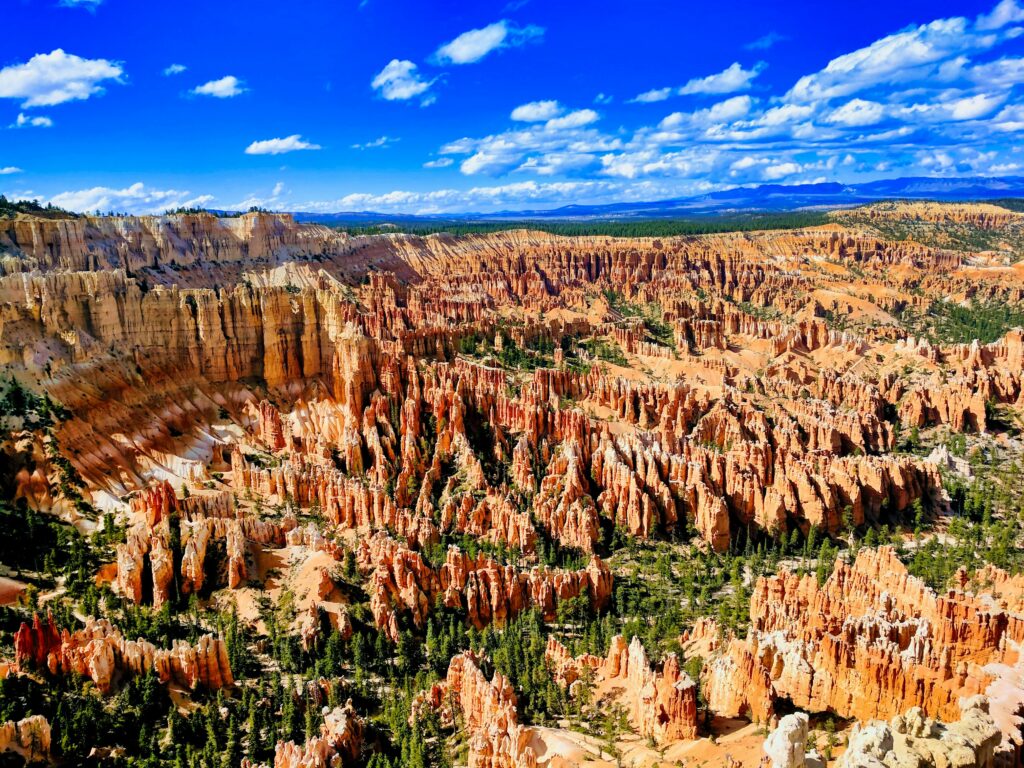
In this Guide to visiting Bryce Canyon National Park, we’re giving you EVERYTHING you need to know to make it an unforgettable experience! Visiting Bryce Canyon National Park in summer is an experience that truly feels out of this world. We’ve explored Bryce Canyon in both summer and winter, and while every season offers its own kind of magic, there’s something especially unforgettable about those warm, sun-soaked days when the light sets the hoodoos ablaze in shades of orange and gold. Towering stone spires rise like natural cathedrals, sunlight dances across the canyon walls, and every overlook reveals a view more otherworldly than the last. In this Bryce Canyon summer guide, we’ll walk you through everything you need to plan your perfect adventure — from all 13 Bryce Canyon viewpoints to the best hikes, where to stay, and insider tips for beating the heat, catching those breathtaking sunsets, and making the most of your visit to one of Utah’s most iconic national parks. And at the end of this article we’ll give you 4 itinerary options that will cover you no matter how long you want to explore the park. If you want the full planning breakdown, including detailed itineraries, trail notes, shuttle strategy, hidden gems, lodging recommendations, restaurant picks, and everything we use to plan our own Bryce Canyon trips, be sure to grab our Premium Bryce Canyon National Park Guide in our shop. About Bryce Canyon National Park Despite its name, Bryce Canyon isn’t technically a canyon — it’s a collection of amphitheaters carved into the Paunsaugunt Plateau in southern Utah. Over millions of years, wind, water, and frost sculpted these intricate rock formations known as hoodoos, giving Bryce one of the most unique landscapes in the world. The park sits at 8,000–9,000 feet in elevation, meaning cooler summer temps than nearby desert parks like Zion or Arches — a huge plus if you’re exploring with kids or hiking midday. It’s compact, incredibly photogenic, and easy to explore even in just one day — though we recommend two or three to fully take it in. 💡 Fun Fact: Bryce is one of the best places in the U.S. for stargazing. On a clear night, you can see over 7,500 stars with the naked eye! Best Time to Visit Bryce Canyon National Park Best Time to Visit Bryce Canyon Because of its high elevation (8,000–9,000 feet), Bryce Canyon has four distinct seasons — each offering something totally different. Summer brings warm days and long hikes, while spring and fall deliver perfect hiking temps and fewer crowds. Winter, of course, turns everything into a snowy wonderland (we cover that in our separate winter guide here!). Here’s what to expect in every season 👇 Spring (March–May)Spring is one of the most magical times to visit Bryce Canyon. The snow begins to melt, waterfalls and streams come alive again, and the meadows around the rim start to bloom with wildflowers. Daytime temps are usually in the 50s–70s — perfect for hiking and exploring without the summer crowds. This is also when you’ll start to see more wildlife — mule deer grazing near Sunrise Point and chipmunks darting between the hoodoos. 💡 Tip: Some trails (like Wall Street in the Navajo Loop) may still be closed due to ice early in the season, so always check conditions at the Visitor Center before hiking. Summer (June–August)Summer is Bryce Canyon’s busiest and brightest season — long, warm days and crystal-clear skies make it ideal for exploring. Temperatures range from the 70s–80s during the day, but it still cools off dramatically at night thanks to the park’s high elevation. The key is timing. Mornings and evenings are absolutely perfect — that’s when the hoodoos glow with soft, golden light and the trails feel peaceful. Afternoons can bring both heat and summer thunderstorms, so plan your bigger hikes (like Navajo Loop or Peekaboo) early in the day. 💡 Adventure Tip: Beat the heat by hiking at sunrise, relaxing at your lodge or campsite mid-day, then heading back out for a sunset walk along the Rim Trail. If you’re lucky enough to visit in late July or early August, you might catch one of Bryce’s famous Night Sky Astronomy Programs — seeing the Milky Way stretch over the canyon is one of the coolest things we’ve ever seen! Fall (September–October)Fall might be the most underrated time to visit Bryce Canyon. Crowds thin out, temperatures drop into the comfortable 50s–70s, and the aspen trees around the rim start glowing golden. The lower sun angle makes the light even more dramatic for photography — it feels like the whole canyon is painted in warm tones. 💡 Pro Tip: If you visit in early October, plan for both shorts and a jacket. Mornings can dip near freezing, but the afternoons are perfect for long hikes like Fairyland Loop or Peekaboo. This is also a great time to enjoy Bryce’s scenic drive — no rush, no traffic, just crisp mountain air and unreal views. Winter (November–February)Bryce Canyon in winter feels like another world with snow on the red hoodoos, quiet trails, and clear, star-filled nights. Fewer people visit this time of year, so it’s the perfect season if you’re after solitude or snowshoe adventures. Trails can get icy, so traction cleats help, but on sunny days, you can still enjoy short rim walks or hikes down into the amphitheater. 💡 Note: If you’re visiting Bryce between late November and February, check out our full Winter Bryce Canyon Guide — it’s packed with details on snowshoeing, winter photography, and cozy stays. Bryce Canyon National Park Weather Getting to Bryce Canyon National Park Bryce Canyon is located in southern Utah, about: 1.5 hours from Zion National Park 2 hours from Kanab 4 hours from Salt Lake City 4.5 hours from Las Vegas Closest Airports: Cedar City (CDC) – 1.5 hours St. George (SGU) – 2.5 hours Salt Lake City (SLC) – 4 hours Park Shuttle: From April to mid-October, Bryce operates a free
10 Essentials Kit for Hiking (Using the H.I.K.E. S.A.F.E. Method)
Whether you’re hiking with your family on a sunny trail or summiting a snow-covered peak, every adventure should start with the 10 Essentials Kit for Hiking. And what is one question you should always ask? “Am I ready to H.I.K.E. S.A.F.E.?” This simple acronym—developed to make remembering the Ten Essentials easier—stands for everything an avid hiker should carry to stay safe, confident, and prepared on the trail. 🌄 What Is the H.I.K.E. S.A.F.E. Method? The H.I.K.E. S.A.F.E. system is a modern, easy-to-remember take on the classic 10 Essentials. Each letter represents a key piece of gear or concept that ensures you’re ready for whatever the trail brings. 💡 H.I.K.E. S.A.F.E. = Hydration, Illumination, Knife & Repair Kit, Emergency Shelter, Sun Protection, Additional Layers, First Aid, and Extra Food It’s not just a checklist—it’s a mindset that turns “packing” into preparing. If you can remember this acronym, it’ll make getting ready to go even easier! 🧃 H — Hydration Bring: At least 2 liters of water per person (more in hot conditions) and a purification method. Why it matters: Dehydration can sneak up fast. Streams and lakes may look clean but often contain bacteria or parasites. Pro tip: Carry a reusable water bottle or hydration bladder, and pack purification tablets or a filter as backup. We love the Osprey water pack, Lifestraw and Sawyer Squeeze Water Filtration System. 💡 I — Illumination Bring: Headlamp or flashlight with extra batteries. Why it matters: Trails can take longer than expected. A reliable light source keeps you safe if you’re out after dark. Pro tip: Use a headlamp so your hands stay free—and always test batteries before leaving. We like the LHKNL Headlamp Flashlight. 🔪 K — Knife & Repair Kit Bring: Multi-tool, knife, duct tape, and zip ties. Why it matters: Gear fails—zippers break, straps tear, stoves loosen. Quick fixes can save a trip. Pro tip: Wrap duct tape around your trekking pole or water bottle to save space. ⛺ E — Emergency Shelter Bring: Lightweight tarp, space blanket, or bivy sack. Why it matters: You might not plan to camp, but storms and injuries can change that. Shelter protects you from hypothermia and the elements. Pro tip: Keep it near the top of your pack for quick access. The Don’t Die in The Woods Survival Tent is a great option! ☀️ S — Sun Protection Bring: Sunglasses, SPF 30+ sunscreen, hat, and SPF lip balm. Why it matters: UV rays are stronger at altitude and can burn even through clouds. Pro tip: Apply sunscreen before you hike and reapply every two hours. 🧥 A — Additional Layers (Insulation) Bring: Base layer, insulating mid-layer, and a waterproof shell. Why it matters: Weather can flip fast in the mountains. Layers let you adjust and prevent hypothermia if temperatures drop. Pro tip: Choose quick-dry materials—avoid cotton. 🚑 F — First Aid Kit Bring: Adhesive bandages, antiseptic wipes, pain relievers, blister pads, and any personal medications. Why it matters: Minor cuts or blisters can become serious if untreated. Pro tip: Tailor your kit to trip length and check expiration dates regularly. 🍫 E — Extra Food Bring: Enough snacks or meals for one additional day. Why it matters: Unexpected detours, slow pace, or emergencies can extend your hike. Extra calories keep you energized and focused. Pro tip: Choose lightweight, high-energy foods like trail mix, jerky, and energy bars. 🧭 Bonus: Don’t Forget Navigation & Fire! Although not part of the acronym, two other essentials complete your kit: 🧭 Navigation Maps, compass, and GPS ensure you know where you are—and how to get back. Always download offline maps before your hike. 🔥 Fire A lighter, waterproof matches, and fire starter give you warmth, cooking ability, and emergency signaling power. Together with H.I.K.E. S.A.F.E., these round out the classic Ten Essentials every hiker should have. 🎒 How to Pack Your H.I.K.E. S.A.F.E. Kit Keep it all in a small stuff sack for grab-and-go convenience. Check batteries, refill water filters, and restock first aid after each hike. Store your kit in your daypack so you never forget it. 🧡 Think of your H.I.K.E. S.A.F.E. kit as insurance for adventure—you hope you’ll never need it, but when you do, it’s everything. 🌲 Final Thoughts These items don’t take up much space, and being prepared when in remote locations is critically important. Building your 10 Essentials Kit doesn’t just prepare you for the worst—it gives you the freedom to explore farther, hike longer, and truly enjoy nature without worry.
31+ Best Hiking Snacks to Fuel Your Next Adventure
If you’re looking for the best snacks to bring on your hike, you’ve come to the right place! When you’re out on the trail — whether climbing switchbacks, exploring desert canyons, or hiking with your kids — snacks aren’t optional… they’re essential. We do a LOT of hiking here in Utah because there’s an endless supply of epic spots to see, so we’ve gotten pretty good at bringing along what we need to stay fueled up. The right hiking snacks give your body the energy it needs, stabilize your blood sugar, and keep spirits high all day long. After years of exploring trails across Utah, Colorado, and beyond, we’ve put together the ultimate list of 31+ trail-tested snacks — from healthy to hearty, salty to sweet. Obviously you can’t bring all of these, but choose your favorite and get out on the trail! Here’s a YouTube link to one of the epic hikes in Utah that I needed some fuel on for sure! If you’re looking for the Ultimate Hiking Guide, check out our article that will provide 15 Essential Tips for Every Trail. Let’s dig in! 🌄 1. Almonds Packed with healthy fats, protein, and fiber, almonds give long-lasting energy without weighing you down. Why it’s great: They help sustain you during long climbs and don’t melt or crumble in your pack. 🌰 2. Cashews Creamy, rich, and full of magnesium — perfect for muscle recovery. Why it’s great: Great texture, satisfying flavor, and a steady energy boost for moderate hikes. 🥜 3. Peanuts The classic hiker’s snack — affordable, filling, and protein-packed. Why it’s great: Combine them with raisins or M&Ms for your own DIY trail mix. 🍒 4. Dried Cherries A tangy burst of natural sugar that helps fight muscle soreness (thanks to antioxidants). Why it’s great: Quick energy boost mid-hike and easy to pack. 🍫 5. Dark Chocolate Chips Perfect in trail mix or solo — rich in antioxidants and caffeine for a little extra motivation. Why it’s great: Melts slower than milk chocolate and gives a mini morale boost when you need it most. 🥨 6. Peanut Butter Pretzels Crunchy, salty, and high in both carbs and protein — a perfect balance for the trail. Why it’s great: Keeps hunger away and replaces electrolytes lost through sweat. 🥭 7. Dried Mango Chewy, sweet, and full of vitamin C and natural sugars for quick energy. Why it’s great: Great for mid-hike slumps when you need a boost. 🍑 8. Dried Apricots High in potassium and iron — great for endurance and preventing cramps. Why it’s great: Pairs perfectly with almonds or walnuts for a balanced snack. 🍇 9. Raisins Small but mighty! Naturally sweet, easy to chew, and full of fast carbs. Why it’s great: Lightweight and kid-approved — great for short family hikes. 🍎 10. Apple Chips Crispy, crunchy, and packed with fiber — a healthy alternative to chips. Why it’s great: Adds variety to your snack mix and satisfies that “crunch” craving. 🌰 11. Dates High in potassium, fiber, and natural sugar — a perfect natural energy source. Why it’s great: Mix with nut butter for a powerful, all-natural energy bite. 🍫 12. Clif Bars A trail classic — each bar offers a mix of carbs, protein, and vitamins. Why it’s great: Convenient, filling, and designed for endurance activities. 🥚 13. RXBars Made from simple ingredients (egg whites, dates, nuts) and high in protein. Why it’s great: Clean energy without artificial additives or excess sugar. 🍌 14. LÄRABARs Naturally sweet, gluten-free, and perfect for short hikes. Why it’s great: Great taste and no preservatives — ideal for families and kids. 🍯 15. GoMacro Bars Plant-based and packed with nutrients — a solid choice for longer adventures. Why it’s great: Keeps energy steady without the sugar crash of candy bars. 🥩 16. Beef Jerky Lean protein that’s savory, chewy, and shelf-stable. Why it’s great: Builds and repairs muscles on the go, and satisfies salt cravings. 🦃 17. Turkey Jerky A lighter alternative to beef with lower fat but similar protein levels. Why it’s great: Ideal for hot hikes since it’s less greasy. 🐟 18. Tuna or Chicken Pouches Foil packs that are high in protein and ready-to-eat. Why it’s great: Great for longer day hikes or overnighters when you want real food. 🧀 19. Cheese Sticks or Babybel Cheese offers fat and protein for slow-release energy. Why it’s great: Perfect for cooler hikes — adds variety to your snack pack. 🧆 20. Roasted Chickpeas Crispy, salty, and full of plant-based protein. Why it’s great: Crunchy texture, high in fiber, and great vegetarian option. 🥚 21. Hard-Boiled Eggs Old-school but effective — full of protein, vitamins, and healthy fats. Why it’s great: Ideal for early morning hikes or breakfast on the trail. 🥨 22. Pretzels Crunchy, salty, and carb-heavy — exactly what your body needs mid-hike. Why it’s great: Helps replace lost sodium and keeps your energy up. 🍿 23. Popcorn A lightweight snack that’s surprisingly filling and full of fiber. Why it’s great: Perfect for families — it feels like a treat but fuels like a carb. 🍘 24. Crackers or Pita Chips Crunchy, satisfying, and great for pairing with cheese or tuna packets. Why it’s great: Adds variety and salt, especially when paired with protein snacks. 🌊 25. Seaweed Snacks Light, salty, and rich in trace minerals. Why it’s great: Adds iodine and electrolytes, and weighs almost nothing. 🫘 26. Roasted Edamame Crispy, high-protein, and full of iron and magnesium. Why it’s great: Perfect for vegetarian or high-protein hikers. 🍎 27. Apple Slices Refreshing, hydrating, and packed with fiber. Why it’s great: Pair with single-serve peanut butter packets for a balanced mini-meal. 🍊 28. Clementines Hydrating, sweet, and full of vitamin C. Why it’s great: Great for hot days or to lift spirits mid-hike. 🍇 29. Grapes Juicy and refreshing — freeze them for a cold treat on the trail! Why it’s great: Hydrating and naturally energizing. 🥕 30. Baby Carrots Crunchy and
The Ultimate Hiking Guide: 15 Essential Tips for Every Trail
We LOVE hiking! It’s one of the best ways to reconnect with nature, strengthen your body, and make memories that last a lifetime. Whether you’re hiking solo, with friends, or taking the whole family out for an adventure, being prepared and confident on the trail can make all the difference. We’ve hiked everywhere from Utah’s red rock canyons to the mountain trails of Colorado — and along the way, we’ve learned what works (and what doesn’t!). These are our top hiking tips to help you stay safe, comfortable, and ready for any trail. 🏞️ 1. Always Check the Weather and Trail Conditions Before lacing up your boots, take a few minutes to check the weather forecast, recent trail reports, and closure notices. Rain, snow, or flash floods can change conditions quickly. Pro tip: Check official park websites or apps like AllTrails and Gaia GPS for the most accurate trail updates. 🎒 2. Pack the 10 Essentials — and Remember to H.I.K.E. S.A.F.E. Even on short hikes, always carry your 10 Essentials: hydration, illumination, knife & repair kit, emergency shelter, sun protection, additional layers, first aid, extra food, navigation, and fire. 👉 We use our own system to remember it: H.I.K.E. S.A.F.E. — a simple acronym that keeps every hiker prepared. Pro tip: Keep a small pre-packed essentials bag ready to grab for every hike. 🧭 3. Know Your Route Before You Go Download offline maps and study your route before hitting the trail. Don’t rely solely on cell service—it often disappears once you’re out there. We love AllTrails and recommend it to everyone. You can download the routes offline and it will also track your progress and keep a record of all the amazing places you’ve hiked! Pro tip: Mark key landmarks, water sources, and potential turnaround points ahead of time. 🥾 4. Wear the Right Shoes and Break Them In Blisters are the enemy of a good hike. Choose sturdy, comfortable hiking boots or trail shoes with good traction—and always break them in before a long hike. Pro tip: Wool or moisture-wicking socks help prevent blisters and keep your feet dry. 💧 5. Hydrate Early and Often Start hydrating before you hit the trail, and sip regularly throughout the hike. Dehydration can sneak up fast, especially in hot or high-altitude areas. Pro tip: Bring at least 2 liters of water per person, and carry a filter or purification tablets for backup in case you need to dip into a water source on your hike. 🌞 6. Protect Yourself from the Sun Sunburns and heat exhaustion can ruin even the best adventures. Apply SPF 30+ sunscreen, wear a hat and sunglasses, and reapply sunscreen every two hours. Pro tip: Don’t forget SPF lip balm—your lips can burn too! 🧥 7. Dress in Layers Weather in the mountains can change in minutes. Dressing in layers allows you to stay comfortable in all conditions—whether it’s windy, sunny, or stormy. Pro tip: Follow the three-layer system: base layer (moisture-wicking), mid layer (insulating), and outer layer (wind/waterproof). 🧠 8. Pace Yourself and Take Breaks It’s not a race! Hiking is about the journey. Take short, steady steps, and rest as needed to enjoy the scenery and conserve energy. Pro tip: The “talk test” works well—if you can talk without gasping, you’re at a good pace. 🌿 9. Follow Leave No Trace Principles Respect nature so others can enjoy it too. Pack out what you pack in. Stay on the trail. Don’t disturb wildlife. Take only photos, leave only footprints. Pro tip: Carry a small trash bag in your pack—picking up even one piece of litter makes a difference. 🧭 10. Tell Someone Your Plan Always let someone know where you’re hiking and when you expect to return—especially on longer or remote trails. Pro tip: Share your route via text or GPS app, and check in when you’re back safely. Apple iPhone now has satellite text which is a great tool! 🍫 11. Bring Snacks That Fuel Adventure Food is fuel! Bring lightweight, high-energy snacks like trail mix, jerky, protein bars, or fruit leather. Keep something salty and something sweet for quick energy boosts. Pro tip: Avoid overly sugary snacks that can cause a crash later on. 🐾 12. Be Wildlife Aware You’re stepping into their home—keep a respectful distance. Never feed wildlife, and store food properly to avoid attracting animals. Pro tip: Make noise while hiking in dense forests to avoid surprising animals. 📸 13. Capture Memories, but Stay Present We love filming and photographing our hikes—but remember to take moments where you just soak it in. The best memories are often the ones not on camera. Pro tip: Take a deep breath at the summit. Look around. This is what it’s all about. 🔦 14. Be Prepared to Turn Back The hardest lesson for many hikers: it’s okay to turn around. Weather, time, or fatigue can make continuing unsafe. Knowing your limits keeps everyone safe and ensures you’ll hike another day. Pro tip: Set a turnaround time before you start and stick to it. ❤️ 15. Hike for Joy, Not Just the View At the end of the day, hiking isn’t about distance or elevation—it’s about connection. With nature. With your family. With yourself. Pro tip: Celebrate the small moments—your kid spotting a lizard, a perfect breeze, or that first sip of water at the summit. 🌲 Final Thoughts Whether it’s your first hike or your hundredth, every trail has something to teach you. Preparation turns uncertainty into confidence, and these tips help you explore safely, comfortably, and with a sense of adventure. So next time you hit the trail, remember to H.I.K.E. S.A.F.E., leave no trace, and enjoy every step of the journey. Ready to hit the trail? Make sure your pack is stocked with the right hiking snacks and 10 essentials before your next adventure! Follow Adventure Family Vlog for more travel tips and adventures!
A Complete Guide to Visiting Moab, Utah
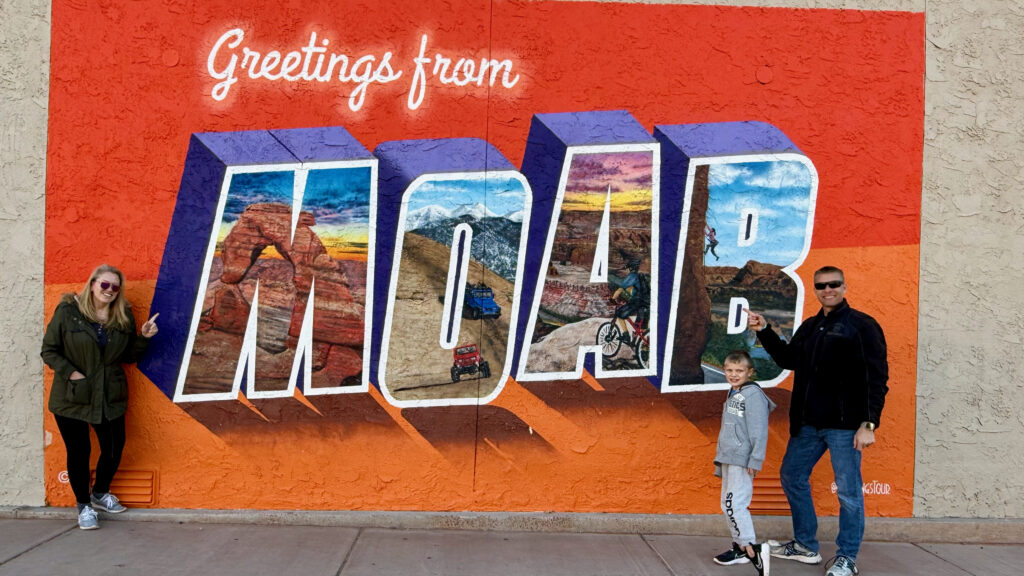
In this guide, we’re sharing everything you need to know to plan an unforgettable trip to Moab, Utah — including where to stay, eat, and adventure! Whether you’re exploring the red rock landscapes of Arches and Canyonlands National Parks or wandering the charming streets of downtown Moab, this guide will help you make the most of your visit. Moab is one of our all-time favorite destinations for both family adventures and couples getaways, and there’s SO MUCH to see and do that you can’t squeeze it all in with just one trip…unless you stay for like a MONTH! So, here’s some of the best things you can do if you only have several days or a weekend. About Moab, Utah Nestled between towering red cliffs and the winding Colorado River, Moab feels like stepping onto another planet—one sculpted by wind, water, and time. The landscapes here are surreal: massive sandstone arches, glowing mesas, sweeping canyons, and desert floors that shift colors with every hour of light. It’s no surprise Moab has become the ultimate basecamp for outdoor explorers, with easy access to Arches National Park, Canyonlands National Park, Dead Horse Point State Park, and countless BLM trails and scenic pullouts right outside town. Moab is famous for epic off-roading routes, world-class mountain biking, rock climbing, canyoneering, stargazing, paddleboarding, rafting, scenic drives—and if that sounds like a lot, it is. The adventure here never ends. Yet the town itself has a laid-back, welcoming vibe: boutique gear shops, cozy cafés, breweries, food trucks, art galleries, smoothie shacks, and friendly locals who genuinely love where they live. It’s just a cool town to relax in after a day of adventuring. Best Time to Visit Moab 🌼 Spring (March–May)Spring is one of the best times to visit Moab. The temperatures are super comfortable (usually in the 60s–80s), the desert starts to pop with wildflowers, and the parks feel alive. This is when hiking, biking, and those longer adventure days feel really good. Just expect it to be a bit more popular this time of year—everyone else knows it’s perfect too. ☀️ Summer (June–August)Summer in Moab is hot—like, really hot. It’s not unusual to see temps climb past 100°F during the day. But here’s the thing: mornings and evenings are still absolutely incredible. If you go in summer, just flip your schedule a bit. Think sunrise hikes, mid-day downtime (pool / river float / iced coffee run), and sunset adventures. And stay hydrated! Always bring water on any excursion. 🍂 Fall (September–October)Fall might be our favorite season in Moab. The weather cools off, the crowds thin just a little, and the lighting in the evenings turns everything into a painting. It’s perfect for photography, longer hikes, and family trips where you don’t want to battle the heat. Everything just feels calmer in the fall. This is when we try to visit Moab every year, but sometimes we end up there in November, which is still great! ❄️ Winter (November–February)Winter is Moab’s quiet season. You’ll get cooler days and cold nights, but the trade-off is almost no crowds. Some days you may feel like you have the park entirely to yourself. Trails can get icy after storms, so traction and layers help—but if you love peaceful overlooks and empty trails, winter is a hidden gem. We’ve been to Moab in November the last few years and the mountain biking is fantastic (yet cold) in the morning, but the days warm up so nicely for hiking and exploring. Moab Weather Getting to Moab Moab is located in southeastern Utah, about 4 hours from Salt Lake City and just 2 hours from Grand Junction, Colorado. The closest airport is Canyonlands Field (CNY), 20 minutes north of town, but it is tiny so most visitors fly into Salt Lake City or Grand Junction and drive. 🚙 Once in Moab, driving is the best way to explore. There’s no public transportation, but rental cars, Jeeps, and e-bikes are widely available. Where to Stay in Moab From rustic campsites under the stars to boutique hotels with red-rock views, Moab has a ton of different ways to stay depending on your travel style. Whether you’re rolling in with an RV, planning a family adventure basecamp, or looking for a cozy place to unwind after long desert days, you’ll find something here that fits. 🏨 Hotels & Lodges Moab has a surprisingly good selection of hotels—some simple and practical, others full-on “treat yourself” staycation material. Hoodoo Moab, Curio Collection by Hilton — Upscale, modern, walkable to downtown. Amazing pool area and spa. Great for couples or a special trip. SpringHill Suites by Marriott — Family-friendly, bright rooms, nice pool area, and close to Arches. Solid home base. Hyatt Place Moab — Clean, stylish, and comfortable with beautiful views of the surrounding cliffs. Nice breakfast setup. Moab Valley Inn — Reliable mid-range option with indoor/outdoor pool. Good location for “spend all day exploring, come back to crash.” Expedition Lodge — Retro-fun décor, arcade games, and a pool with a slide. A hit with kids. Walkable to food + shops downtown. Riverside Inn — Right near the Colorado River and easy access to scenic morning walks. If you want something quiet and scenic: Look on the north side of town. If you want walk-everywhere convenience: Stay downtown. 🏕️ Camping & RV Parks Camping in Moab hits different. The sunrises, the stars, the silence…it just feels like you’re connected to the land. Goose Island Campground — Riverfront, dreamy views, first-come-first-served. If you snag a spot, it’s gold. Sun Outdoors Arches Gateway — Full-service RV resort with amenities like a playground, pool, and bathhouses. Very family-friendly. Moab KOA Holiday — Pool, cabins, tent sites, and RV hookups. Great for families who like convenience. Sand Flats Recreation Area (near Slickrock Trail) — Rustic, scenic, quiet, and amazing stargazing. No frills… but wow the views. Note: Spring and fall campgrounds fill fast — if reservations are available, book early. For first-come sites, arriving early in the day helps
A Complete Guide to Black Canyon of the Gunnison National Park
If you’ve ever dreamed of standing on the edge of a canyon so deep and narrow that sunlight barely touches the bottom, you need to visit Black Canyon of the Gunnison National Park. When we visited, it instantly became one of our favorite “hidden gem” parks — one that feels off the beaten path, yet packs in jaw-dropping views, challenging hikes, and quiet moments of solitude. In this guide, we’re sharing everything you need to know before you go — the best things to do, family- and couple-friendly tips, where to stay, where to eat, when to visit, and sample itineraries to make the most of your time here. If you want to see a video on what Black Canyon of the Gunnison National Park is like, check out our YouTube video! The National Park is toward the latter half of this video, after our time in Ouray, Colorado (which is also completely amazing too!). About Black Canyon of the Gunnison National Park Located in western Colorado near Montrose, this park gets its dramatic name because some parts of the canyon receive as little as 33 minutes of sunlight per day. The result? Sheer, shadowy cliffs that create an otherworldly vibe. The canyon is 48 miles long with 14 miles inside the National Park. At its deepest point (Warner Point), it reaches 2,722 feet — 5 feet taller than the Burj Khalifa, the tallest building in the world! Long before it became a National Park in 1999, the Ute people called it “much rocks, big water.” Explorer John Williams Gunnison, who the park is named after, called it “the roughest, most hilly and most cut up” land he had ever seen. Family Tip: The overlooks are stunning but not all have guardrails. Keep little ones close and hold hands near cliff edges. Couples Tip: Time your visit for golden hour — the lighting makes the canyon walls glow for an unforgettable moment together. Before embarking on your adventure, please review the Leave No Trace principles to ensure you leave every place better than you found it, so that others can enjoy these beautiful places for many years to come! These seven principles include planning ahead and preparing, hiking and camping on durable surfaces, disposing of waste properly (pack out what you pack in!), understanding campfire rules and always fully extinguishing your fires, respecting wildlife, and being considerate of other visitors. Different Parts of Black Canyon of the Gunnison Black Canyon of the Gunnison has two main areas to explore — South Rim and North Rim — plus the Inner Canyon and East Portal area. South Rim: More developed, with a visitor center, paved roads, and the most popular overlooks. Located near Montrose. North Rim: Quieter, less developed, gravel roads, and incredible views of the canyon’s narrowest points. Located near Crawford. Inner Canyon: Rugged wilderness routes down to the Gunnison River — for experienced hikers only. East Portal: Accessible from the South Rim, takes you down to the river without a strenuous hike. Driving between rims takes about 1 hour and 45 minutes — there’s no bridge crossing the canyon. When to Visit Black Canyon of the Gunnison When Is the Best Time to Visit Black Canyon of the Gunnison? The best time is late April to mid-November when roads, trails, and both rims are fully open. We visited in June and the temperature was actually very nice (which may not always happen), but if you’re bringing kids, pets, or plan to hike, spring or fall is more comfortable. 🌸 Spring (April–May)Cool temps, wildflowers, and the full opening of South Rim Road in mid-April make this an excellent time to visit. ☀️ Summer (June–August)Warm days, but afternoon thunderstorms are common. This is the busiest season, but “busy” here still feels calm compared to other national parks. 🍂 Fall (September–October)Our favorite season—crisp air, golden leaves, and fewer crowds. Both rims are open until mid to late October. ❄️ Winter (November–March)The park is open year-round, but South Rim Road past the visitor center closes in winter, and the North Rim is closed to vehicles. Great time for snowshoeing and solitude if you’re prepared. Getting To and Around Black Canyon of the Gunnison By Air Closest major airport: Montrose Regional Airport (MTJ) – 28 min drive Other options: Grand Junction (1.5 hours), Denver (5 hours), Salt Lake City (5.5 hours), Albuquerque (6.5 hours) By Car Driving is the best way to get there. Nearby drive times: Ouray – 1 hour Grand Junction – 1 hour 40 min Durango – 2 hours 45 min Family Tip: Download offline maps before you go — cell service in and around the park is spotty. Where to Stay at Black Canyon of the Gunnison Inside the Park – Campgrounds South Rim Campground – 88 sites, some with electric hookups. Reservations mid-May–mid-Sept. North Rim Campground – 13 primitive sites, first-come, first-served. East Portal Campground – Riverside setting at the bottom of the canyon. No hookups. Outside the Park – Towns & Lodging South Rim Base (Montrose) Hampton Inn Montrose – Indoor pool, free breakfast. Montrose/Black Canyon KOA – RV sites, cabins, pool. Airbnb: Charming Blue Bungalow – Victorian charm, fenced yard. North Rim Base (Crawford or Paonia) Smith Fork Ranch – Luxury cabins & activities. Airbnb: Guest House with 360° mountain views. Midway Base (Delta) Airbnb: The Casita – Quiet, pet-friendly retreat. Family Tip: If you’re exploring both rims, stay in Delta to cut down on drive time between the two. Couples Tip: Book a Paonia Airbnb for a cozy, romantic base with mountain views. How Much Time Do You Need at Black Canyon of the Gunnison? You can see the highlights of Black Canyon of the Gunnison in as little as half a day, but ideally you’ll want 1–3 days depending on how much you want to explore: Half Day: Drive the South Rim Scenic Drive. This is what we did since we were still heading to Glenwood Springs after the park. You can stop at
How to Plan a Trip: Your Complete Step-by-Step Travel Guide
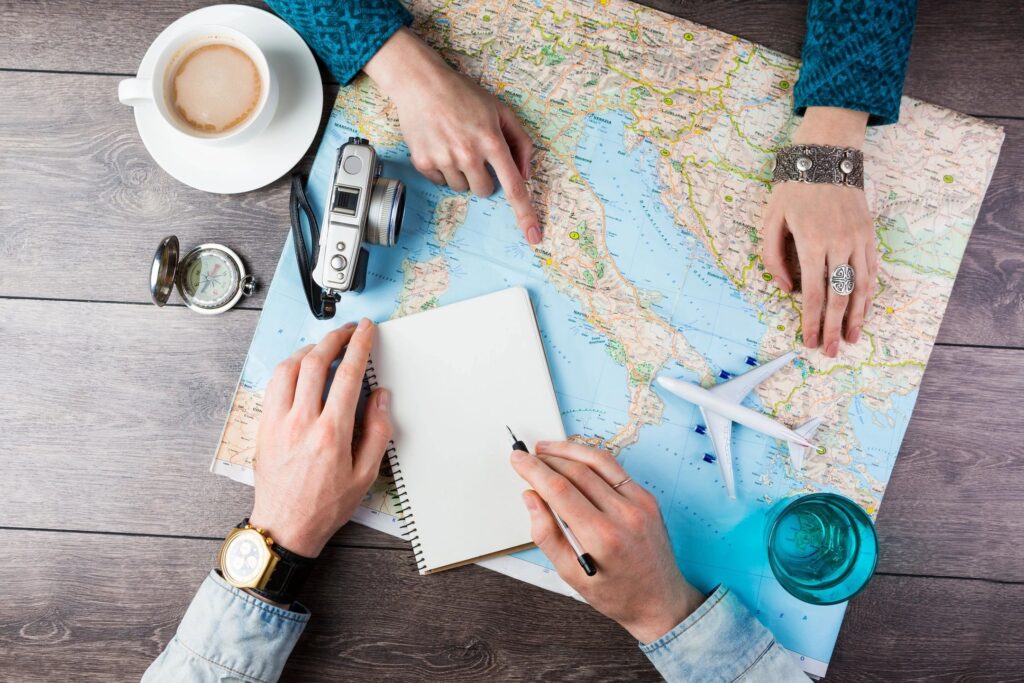
If you’ve ever felt overwhelmed by the idea of planning a trip, you’re not alone. There’s so much to think about — where to go, what to do, how to fit it all in — and sometimes just getting started can be the hardest part. I love trip planning. Like, really love it. I can happily spend hours falling down internet rabbit holes about restaurants, landmarks, hidden gems, and the best walking routes between them. I actually tend to try to cram in WAY MORE than I should, which can create some tension if I don’t communicate with my family about my ideas and get their input. Over time, I’ve found that doing the legwork before you leave can completely change the outcome of your vacation. You avoid the dreaded “what should we eat?” debates, don’t waste time zig-zagging across town, and make the most of your days. Of course, not everything goes according to plan — and that’s fine — but starting with a solid outline sets you up for a much smoother trip. That’s why we’ve put together this guide: to help you create your own smart, well-organized trip plan without spending weeks glued to your laptop. It’s the same process we use for our own travels, and it works whether you’re going somewhere for a weekend or a month. 1. Pick Your Destination This is often the trickiest part. The world’s huge, and there’s never enough time (or budget) to see it all. I’m always torn between visiting somewhere brand new or going back to a place that already has my heart. When deciding where to go, start with a few simple questions: What’s the vibe you’re looking for? Do you want the buzz of a big city? Lazy days on the beach? Mountain hikes? Or a mix of everything? Pin down the type of trip you’re craving — that alone can narrow your list fast. When can you go? Your travel dates can make a big difference. If you’re off work in the winter and want warm weather, head somewhere tropical. If you’re escaping summer heat, aim for cooler climates or destinations in the Southern Hemisphere. Consider peak vs. shoulder season Some places are wildly crowded (and pricey) at certain times of year. If you don’t mind slightly less-than-perfect weather, traveling during shoulder season can save money, reduce crowds, and still give you a great experience. Follow the deals Sometimes the destination chooses you. I’ve booked trips I didn’t expect to take simply because I found an amazing flight deal (more on that in Step 3). Go for a special event or experience Anchor your trip around something unique — like a music festival, cherry blossom season, or a famous scenic drive that’s only open part of the year. Need ideas? Here are some of our favorite places so far: Italy – Italy is a captivating blend of rich history, breathtaking landscapes, world-class cuisine, and vibrant culture, offering everything from ancient ruins and the canals of Venice to stunning coastlines and charming villages. Croatia – Croatia is a dazzling mix of crystal-clear Adriatic waters, medieval coastal towns, breathtaking islands, and rich cultural heritage, making it a dream destination for history lovers, nature enthusiasts, and beachgoers alike. And they have some of the best waterfalls you’ll ever see in Plitvice National Park. Hawaii – Hawaii is a tropical paradise where lush landscapes, stunning beaches, vibrant culture, and year-round sunshine come together to create the ultimate destination for relaxation, adventure, and natural beauty. Utah – Utah is an adventurer’s dream, boasting otherworldly red rock landscapes, five stunning national parks, year-round outdoor recreation, and a unique blend of natural beauty and rich pioneer heritage. Boston – Boston is a vibrant city where rich American history, world-class museums, charming neighborhoods, and a thriving food scene blend seamlessly with a lively sports culture and beautiful waterfront views. Do the Freedom Trail, either on your own or guided; it’s incredible! U.S. National Parks – Favorites include Yosemite, Zion, Yellowstone, Bryce, Acadia, Mesa Verde, and Arches. 2. Set a Travel Budget Once you’ve chosen where you’re headed, figure out how much you’re willing — and able — to spend. This includes the big stuff (flights, hotels, car rentals, taxis or Ubers) and the smaller daily costs (meals, gas, activities, tips, pet care, etc.). We use a simple travel budget spreadsheet to map out each trip. It helps us balance splurges with budget-friendly adventures so we can keep traveling without putting a strain on our finances. You can get our free spreadsheet here. 3. Track & Book Flights With your destination and budget in place, start watching airfare prices. We use a mix of free tools and paid alerts to make sure we rarely overpay. Free Tools We Love Google Flights – Lets you track specific routes and get notified when prices change. The “Explore” feature is great if you’re open to different destinations. Skyscanner – Often finds fares other sites miss, especially for international flights. Scott’s Cheap Flights (free version) – Sends alerts for discounted fares and even rare “mistake fares.” Paid Tools Worth It FareDrop – Lets you choose departure airports, destinations, and months, then sends targeted deal alerts. Hopper – Predicts whether prices will go up or down, helping you time your purchase. Pro Tip: Whenever possible, we book flights using credit card points. It’s the easiest way to get “free” travel — just by paying for everyday expenses with the right travel rewards card. 4. Book Accommodation Once flights are locked in, we jump on lodging. Popular spots can fill up quickly, especially in peak season. Our go-tos: Expedia.com – Great hotel deals and other things like rental cars. Airbnb – Perfect for longer stays, cooking meals, and feeling like a local. Booking.com – Great hotel deals and a wide range of vacation rentals. Tripadvisor – The best place to read unbiased reviews before committing. 5. Arrange Transportation Will you need a rental car? Public transit
A Complete Guide to Visiting Lava Hot Springs, Idaho
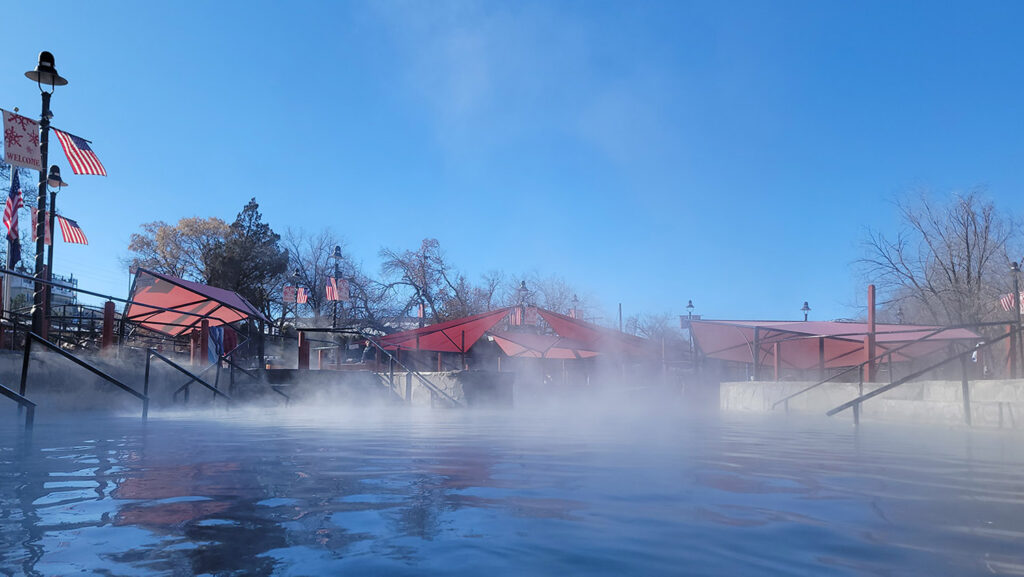
In this guide, we’re sharing everything you need to know to plan a fun and relaxing getaway to Lava Hot Springs, Idaho—including where to soak, stay, eat, and play! We recently visited Lava Hot Springs on a summer road trip, and it quickly became one of our favorite hidden gems in the Rockies. From playing on the slides at the Olympic Swimming Complex and soaking in world-famous geothermal pools to floating the Portneuf River and exploring quirky downtown shops, this town is packed with small-town charm and big adventure energy. Whether you’re visiting for a family vacation, a couples retreat, or just passing through on a road trip, Lava Hot Springs is absolutely worth the stop. About Lava Hot Springs, Idaho Nestled in a lush valley in southeastern Idaho, Lava Hot Springs is a charming resort town famous for its natural hot springs, crystal-clear river, and laid-back atmosphere. The town’s namesake geothermal pools have been drawing visitors for over a century—and are still the main attraction today. The mineral-rich waters here bubble up from underground at a toasty 102°–112°F and contain no sulfur, so there’s no rotten egg smell—in other words, it doesn’t smell like me! 😆 The town itself is walkable, friendly, and full of candy shops, floating tube rentals, historic museums, and family-friendly lodging options. Before embarking on your adventure, please review the Leave No Trace principles to ensure you leave every place better than you found it, so that others can enjoy these beautiful places for many years to come! These seven principles include planning ahead and preparing, hiking and camping on durable surfaces, disposing of waste properly (pack out what you pack in!), understanding campfire rules and always fully extinguishing your fires, respecting wildlife, and being considerate of other visitors. When to visit Lava Hot Springs 🌷 Spring (March–May) Perfect weather for soaking and strolling. River tubing opens mid-to-late spring depending on water levels. However, be aware that the water will be COLD this time of year! It’s cold year-round honestly, but this time of year is brutal. ☀️ Summer (June–August) Peak season! River floating is at its best. Book lodging and hot springs tickets early—especially on weekends. This cool Idaho town gets busy during the summer, and for good reason. It’s such a fun spot to visit in summer! 🍂 Fall (September–October) Cooler temps = ideal hot spring soaking weather. The town quiets down and the fall colors are stunning in the surrounding hills. ❄️ Winter (November–February) Here comes the snow! You can soak in 112°F water while snowflakes fall around you, which honestly is pretty epic! You’ll have much fewer crowds, but some lodging and dining will be closed. Getting to and around Lava Hot Springs Lava Hot Springs is located in southeastern Idaho, about 2 hours north of Salt Lake City, UT and 45 minutes southeast of Pocatello, ID. Closest Airports: Pocatello Regional Airport (PIH) – 45 minutes away Salt Lake City International Airport (SLC) – 2-hour drive Idaho Falls Regional Airport (IDA) – 1 hour 45 minutes Driving to Lava Hot Springs 🚙 Driving is the best way to get there. The town is small and walkable once you arrive, but you’ll need a vehicle to explore nearby attractions or access campsites. Where to stay in Lava Hot Springs Whether you’re looking for a vintage motel, a family cabin, or a riverside RV site, Lava Hot Springs has something cozy for everyone. 🏨 Hotels & Motels Home Hotel – Located right across from the hot springs, this historic hotel pumps the same mineral water directly into its private soaking tubs. Riverside Hot Springs Inn – Adults-only, historic hotel with private hot soaking rooms. It has an on-site spa and restaurant. Lava Hot Springs Inn – Charming, rustic property with multiple outdoor hot spring pools for guests. It’s also pet-friendly! 🛌 Vacation Rentals Cozy Cottage Downtown – Walk to everything! Cute 2-bedroom house with a deck and full kitchen. Hilltop House with Views – Sleeps 6, modern décor, amazing views, 5-minute drive from downtown. ⛺ Camping & RV Parks Portneuf Bend Campground – We stayed here last time we visited and it was a REALLY awesome campground, and less expensive than the KOA and other campgrounds in the area. This is the campground we recommend the most for its location and cost. Lava Campground – We’ve stayed here as well and they have full hook-ups, shaded spots, and close access to the Portneuf River and tubing. There’s a playground for kids here too! Nu Bend RV Park – Family-friendly campground along the river with great views, grassy sites, and fire pits. KOA Lava Hot Springs – Amenities include a playground, mini-golf, and pool. Great for families. Where to Eat in Lava Hot Springs Despite its size, Lava offers up some fun and tasty dining spots! 🍔 Casual Bites Chuckwagon Diner – American classics, breakfast all day, and friendly service. Blue Moon Bar & Grill – Pub-style eats, burgers, and live music on weekends. Royal Hotel Pizza – Laid-back pizza and salad bar in a vintage hotel setting. 🌯 Unique Eats Greystone Coffee – Grab a latte and pastry from this adorable café inside a historic building. 🍦 Treats & Sweets Sweet Shoppe – Old-school candy store with taffy, fudge, and ice cream. 20 Below Frozen Yogurt – Refreshing froyo bar perfect after a hot soak or river float. What to Bring to Lava Hot Springs As always, we recommend having the 10 essentials on you when venturing into nature, but here are a few key items we want to point out that will especially help you during your visit! To ensure you have a safe and enjoyable time at Lava Hot Springs, here are some items we’d suggest bringing with you! ✔️ Swimsuit (or two!) ✔️ Quick-dry towel ✔️ Flip-flops or water shoes ✔️ Sunscreen and hat ✔️ Change of clothes for after the river ✔️ Camera or waterproof phone case ✔️ Reusable water bottle ✔️ Snacks for in between dips! LAYERS