

The Ultimate Southwest Road Trip Itinerary: Las Vegas to Moab Through Utah’s National Parks
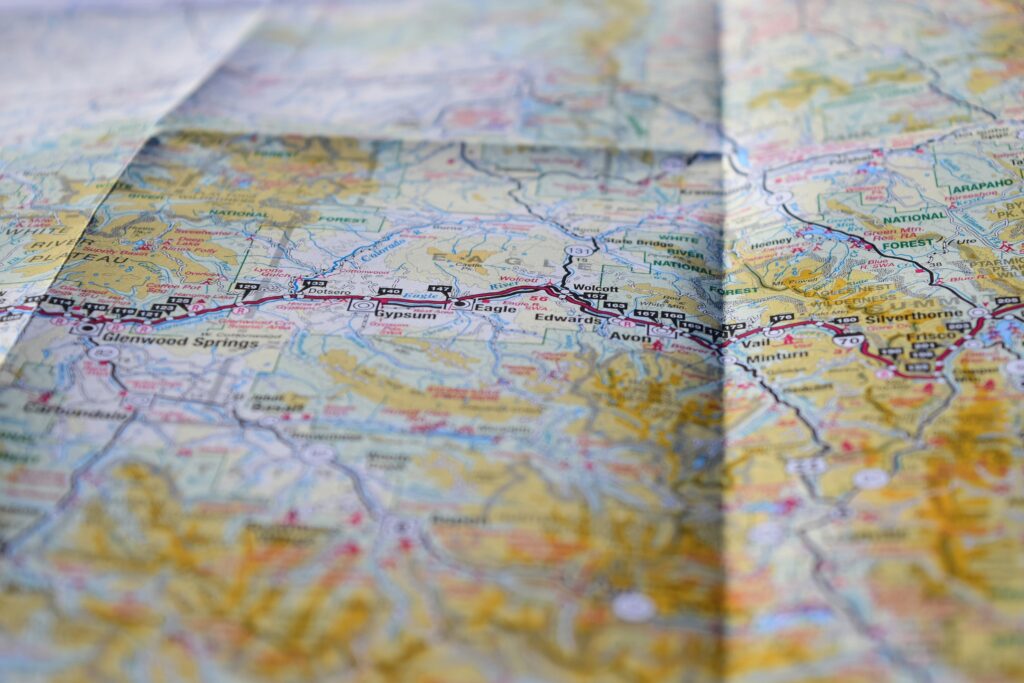
If you’ve ever dreamed of taking the ultimate Southwest road trip, this Las Vegas to Moab itinerary is the one you need to do at least once. This iconic route takes you through some of the most jaw-dropping landscapes in the United States, including Valley of Fire State Park, Zion National Park, Bryce Canyon National Park, Capitol Reef National Park, Arches National Park, and Canyonlands National Park. When we drove this amazing Southwest road trip itinerary we kept asking ourselves, “How is all of this in one region?” From fiery red rock canyons and narrow slot canyons to towering sandstone arches and Mars-like desert landscapes, this drive is truly one of the most unforgettable Utah national parks road trips you can take. In this complete guide, we’re sharing everything you need to plan the perfect Southwest road trip — including the exact route from Las Vegas to Moab, mileage and drive times between stops, where to stay, where to eat, hidden gems, and the must-see viewpoints and hikes at every destination. Driving Overview: Route Segment Mileage Drive Time Las Vegas → Valley of Fire 55 miles 1 hr Valley of Fire → Zion National Park 85 miles 1 hr 30 min Zion → Bryce Canyon 85 miles 1 hr 40 min Bryce Canyon → Capitol Reef 115 miles 2 hrs 15 min Capitol Reef → Hanksville 38 miles 45 min Hanksville → Arches (Moab) 110 miles 2 hrs Moab → Canyonlands (Island in the Sky) 35 miles 40 min ABOUT THIS SOUTHWEST ROAD TRIP This itinerary starts in Las Vegas, Nevada and travels northeast through Utah’s most stunning parks and adventure towns before finishing in Moab, home to Arches and Canyonlands National Parks. Total Distance: ~600 miles Recommended Duration: 5–10 days Best For: Families, couples, outdoor lovers, photographers, adventure travelers This road trip covers 6 major parks + 2 iconic desert regions, in this order: Valley of Fire State Park Zion National Park Bryce Canyon National Park Capitol Reef National Park Hanksville (Mars-like scenery at Factory Butte, Moonscape Overlook, and Long Dong Silver Spire and the Bentonite Hills!) Arches National Park Canyonlands National Park Moab (an adventure hub) Every destination is epic on its own—but together, this route tells the full story of the Southwest, from ancient sandstone waves to towering hoodoos to wide desert plateaus. BEST TIME TO DO THIS ROAD TRIP Any time of year is amazing to do this road trip; it just depends on what you’re looking for out of the trip. Below are a few comments on what each season brings and why you may want to take the road trip during this time of year. Spring (March–May) – Best overall season The spring provides perfect hiking temps, blooming desert plants, and fewer crowds before summer peaks. Zion and Bryce are exceptional in the spring. Summer (June–August) – Hot but manageable This is when sunrise adventures are prime. Wake early, rest during mid-day, and then in the afternoon enjoy the golden hour magic. The Narrows in Zion is epic this time of year. Fall (September–October) – Adventure Family’s favorite The fall brings with it crisp mornings, cool evenings, and warm canyon colors. The trail conditions are fantastic across this entire route this time of year. Winter (November–February) – Highly underrated In winter Bryce Canyon becomes a snow-covered fantasy world. It’s incredible! There’s fewer crowds everywhere so you’re not fighting for the best views, and you can almost feel alone during this time of year, which is unheard of in our National Parks! Be sure to bring layers and traction devices for hiking in the snow and ice. STOP 1: VALLEY OF FIRE STATE PARK 📍 From Las Vegas: 53 miles — 55 minutes Welcome to one of the most underrated desert parks in the country. If you’ve only ever seen Valley of Fire in photos, prepare to be shocked at how bright and colorful the landscape is in real life. Between bright red sandstone, candy-striped rock formations, and slot canyons carved by wind and water, Valley of Fire is the perfect warm-up for your Southwest road trip. Here are some things you should definitely try to do in Valley of Fire State Park. VALLEY OF FIRE STATE PARK HIKES Fire Wave Trail (1.5 miles roundtrip) This is one of those hikes where kids will actually want to keep walking because the landscape is so wild. The striped red-and-white sandstone really does look like a frozen wave, and every turn feels photo-worthy. The trail is short, but the payoff is huge, making it a great introduction to Southwest hiking for families. Family Tips: No shade — hike early morning or near sunset Bring more water than you think you need Great for kids who enjoy light scrambling Slickrock can be slippery after rain Pink Canyon / Pastel Canyon (Easy, unmarked exploration) Pink Canyon — sometimes called Pastel Canyon — feels like a hidden secret inside Valley of Fire. Unlike the deep red formations the park is famous for, this area features soft pinks, creams, and pastel tones that almost look painted onto the rock. There’s no official trail here, which actually makes the experience even more fun. You’re free to wander, explore, and discover your own route through smooth sandstone bowls and small canyon pockets. It’s a slower-paced, curiosity-driven stop that works incredibly well for families. Family tips: This is more exploration than hiking — perfect for younger kids Stay within sight of your group; it’s easy to wander Go mid-morning or late afternoon for the best colors Great spot for creative photos and letting kids explore safely White Domes Trail + Slot Canyon (1.2 miles loop) This trail packs a lot into a short distance: wide-open desert views, an arch, a narrow slot canyon, and even an old movie set. The slot canyon section adds excitement without being intimidating, which makes it especially fun for kids. It’s one of the best “variety” hikes on the entire road trip. Family tips: The slot canyon stays
A Complete Guide to Visiting Moab, Utah
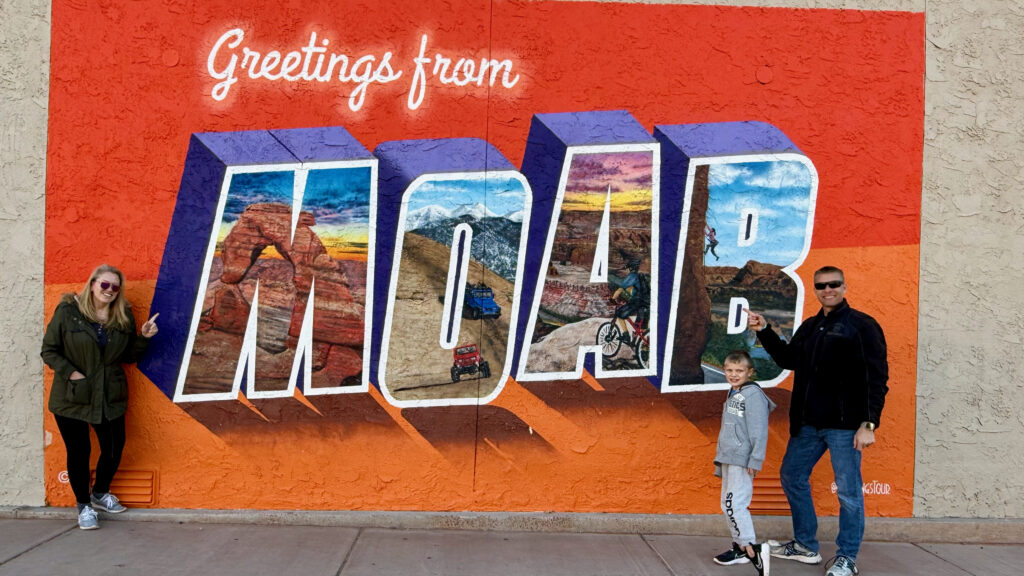
In this guide, we’re sharing everything you need to know to plan an unforgettable trip to Moab, Utah — including where to stay, eat, and adventure! Whether you’re exploring the red rock landscapes of Arches and Canyonlands National Parks or wandering the charming streets of downtown Moab, this guide will help you make the most of your visit. Moab is one of our all-time favorite destinations for both family adventures and couples getaways, and there’s SO MUCH to see and do that you can’t squeeze it all in with just one trip…unless you stay for like a MONTH! So, here’s some of the best things you can do if you only have several days or a weekend. About Moab, Utah Nestled between towering red cliffs and the winding Colorado River, Moab feels like stepping onto another planet—one sculpted by wind, water, and time. The landscapes here are surreal: massive sandstone arches, glowing mesas, sweeping canyons, and desert floors that shift colors with every hour of light. It’s no surprise Moab has become the ultimate basecamp for outdoor explorers, with easy access to Arches National Park, Canyonlands National Park, Dead Horse Point State Park, and countless BLM trails and scenic pullouts right outside town. Moab is famous for epic off-roading routes, world-class mountain biking, rock climbing, canyoneering, stargazing, paddleboarding, rafting, scenic drives—and if that sounds like a lot, it is. The adventure here never ends. Yet the town itself has a laid-back, welcoming vibe: boutique gear shops, cozy cafés, breweries, food trucks, art galleries, smoothie shacks, and friendly locals who genuinely love where they live. It’s just a cool town to relax in after a day of adventuring. Best Time to Visit Moab 🌼 Spring (March–May)Spring is one of the best times to visit Moab. The temperatures are super comfortable (usually in the 60s–80s), the desert starts to pop with wildflowers, and the parks feel alive. This is when hiking, biking, and those longer adventure days feel really good. Just expect it to be a bit more popular this time of year—everyone else knows it’s perfect too. ☀️ Summer (June–August)Summer in Moab is hot—like, really hot. It’s not unusual to see temps climb past 100°F during the day. But here’s the thing: mornings and evenings are still absolutely incredible. If you go in summer, just flip your schedule a bit. Think sunrise hikes, mid-day downtime (pool / river float / iced coffee run), and sunset adventures. And stay hydrated! Always bring water on any excursion. 🍂 Fall (September–October)Fall might be our favorite season in Moab. The weather cools off, the crowds thin just a little, and the lighting in the evenings turns everything into a painting. It’s perfect for photography, longer hikes, and family trips where you don’t want to battle the heat. Everything just feels calmer in the fall. This is when we try to visit Moab every year, but sometimes we end up there in November, which is still great! ❄️ Winter (November–February)Winter is Moab’s quiet season. You’ll get cooler days and cold nights, but the trade-off is almost no crowds. Some days you may feel like you have the park entirely to yourself. Trails can get icy after storms, so traction and layers help—but if you love peaceful overlooks and empty trails, winter is a hidden gem. We’ve been to Moab in November the last few years and the mountain biking is fantastic (yet cold) in the morning, but the days warm up so nicely for hiking and exploring. Moab Weather Getting to Moab Moab is located in southeastern Utah, about 4 hours from Salt Lake City and just 2 hours from Grand Junction, Colorado. The closest airport is Canyonlands Field (CNY), 20 minutes north of town, but it is tiny so most visitors fly into Salt Lake City or Grand Junction and drive. 🚙 Once in Moab, driving is the best way to explore. There’s no public transportation, but rental cars, Jeeps, and e-bikes are widely available. Where to Stay in Moab From rustic campsites under the stars to boutique hotels with red-rock views, Moab has a ton of different ways to stay depending on your travel style. Whether you’re rolling in with an RV, planning a family adventure basecamp, or looking for a cozy place to unwind after long desert days, you’ll find something here that fits. 🏨 Hotels & Lodges Moab has a surprisingly good selection of hotels—some simple and practical, others full-on “treat yourself” staycation material. Hoodoo Moab, Curio Collection by Hilton — Upscale, modern, walkable to downtown. Amazing pool area and spa. Great for couples or a special trip. SpringHill Suites by Marriott — Family-friendly, bright rooms, nice pool area, and close to Arches. Solid home base. Hyatt Place Moab — Clean, stylish, and comfortable with beautiful views of the surrounding cliffs. Nice breakfast setup. Moab Valley Inn — Reliable mid-range option with indoor/outdoor pool. Good location for “spend all day exploring, come back to crash.” Expedition Lodge — Retro-fun décor, arcade games, and a pool with a slide. A hit with kids. Walkable to food + shops downtown. Riverside Inn — Right near the Colorado River and easy access to scenic morning walks. If you want something quiet and scenic: Look on the north side of town. If you want walk-everywhere convenience: Stay downtown. 🏕️ Camping & RV Parks Camping in Moab hits different. The sunrises, the stars, the silence…it just feels like you’re connected to the land. Goose Island Campground — Riverfront, dreamy views, first-come-first-served. If you snag a spot, it’s gold. Sun Outdoors Arches Gateway — Full-service RV resort with amenities like a playground, pool, and bathhouses. Very family-friendly. Moab KOA Holiday — Pool, cabins, tent sites, and RV hookups. Great for families who like convenience. Sand Flats Recreation Area (near Slickrock Trail) — Rustic, scenic, quiet, and amazing stargazing. No frills… but wow the views. Note: Spring and fall campgrounds fill fast — if reservations are available, book early. For first-come sites, arriving early in the day helps