

Whether you’re hiking with your family on a sunny trail or summiting a snow-covered peak, every adventure should start with the 10 Essentials Kit for Hiking. And what is one question you should always ask?
“Am I ready to H.I.K.E. S.A.F.E.?”
This simple acronym—developed to make remembering the Ten Essentials easier—stands for everything an avid hiker should carry to stay safe, confident, and prepared on the trail.
🌄 What Is the H.I.K.E. S.A.F.E. Method?
The H.I.K.E. S.A.F.E. system is a modern, easy-to-remember take on the classic 10 Essentials. Each letter represents a key piece of gear or concept that ensures you’re ready for whatever the trail brings.
💡 H.I.K.E. S.A.F.E. = Hydration, Illumination, Knife & Repair Kit, Emergency Shelter, Sun Protection, Additional Layers, First Aid, and Extra Food
It’s not just a checklist—it’s a mindset that turns “packing” into preparing. If you can remember this acronym, it’ll make getting ready to go even easier!
🧃 H — Hydration
Bring: At least 2 liters of water per person (more in hot conditions) and a purification method.
Why it matters: Dehydration can sneak up fast. Streams and lakes may look clean but often contain bacteria or parasites.
Pro tip: Carry a reusable water bottle or hydration bladder, and pack purification tablets or a filter as backup. We love the Osprey water pack, Lifestraw and Sawyer Squeeze Water Filtration System.
💡 I — Illumination
Bring: Headlamp or flashlight with extra batteries.
Why it matters: Trails can take longer than expected. A reliable light source keeps you safe if you’re out after dark.
Pro tip: Use a headlamp so your hands stay free—and always test batteries before leaving. We like the LHKNL Headlamp Flashlight.
🔪 K — Knife & Repair Kit
Bring: Multi-tool, knife, duct tape, and zip ties.
Why it matters: Gear fails—zippers break, straps tear, stoves loosen. Quick fixes can save a trip.
Pro tip: Wrap duct tape around your trekking pole or water bottle to save space.
⛺ E — Emergency Shelter
Bring: Lightweight tarp, space blanket, or bivy sack.
Why it matters: You might not plan to camp, but storms and injuries can change that. Shelter protects you from hypothermia and the elements.
Pro tip: Keep it near the top of your pack for quick access. The Don’t Die in The Woods Survival Tent is a great option!
☀️ S — Sun Protection
Bring: Sunglasses, SPF 30+ sunscreen, hat, and SPF lip balm.
Why it matters: UV rays are stronger at altitude and can burn even through clouds.
Pro tip: Apply sunscreen before you hike and reapply every two hours.
🧥 A — Additional Layers (Insulation)
Bring: Base layer, insulating mid-layer, and a waterproof shell.
Why it matters: Weather can flip fast in the mountains. Layers let you adjust and prevent hypothermia if temperatures drop.
Pro tip: Choose quick-dry materials—avoid cotton.
🚑 F — First Aid Kit
Bring: Adhesive bandages, antiseptic wipes, pain relievers, blister pads, and any personal medications.
Why it matters: Minor cuts or blisters can become serious if untreated.
Pro tip: Tailor your kit to trip length and check expiration dates regularly.
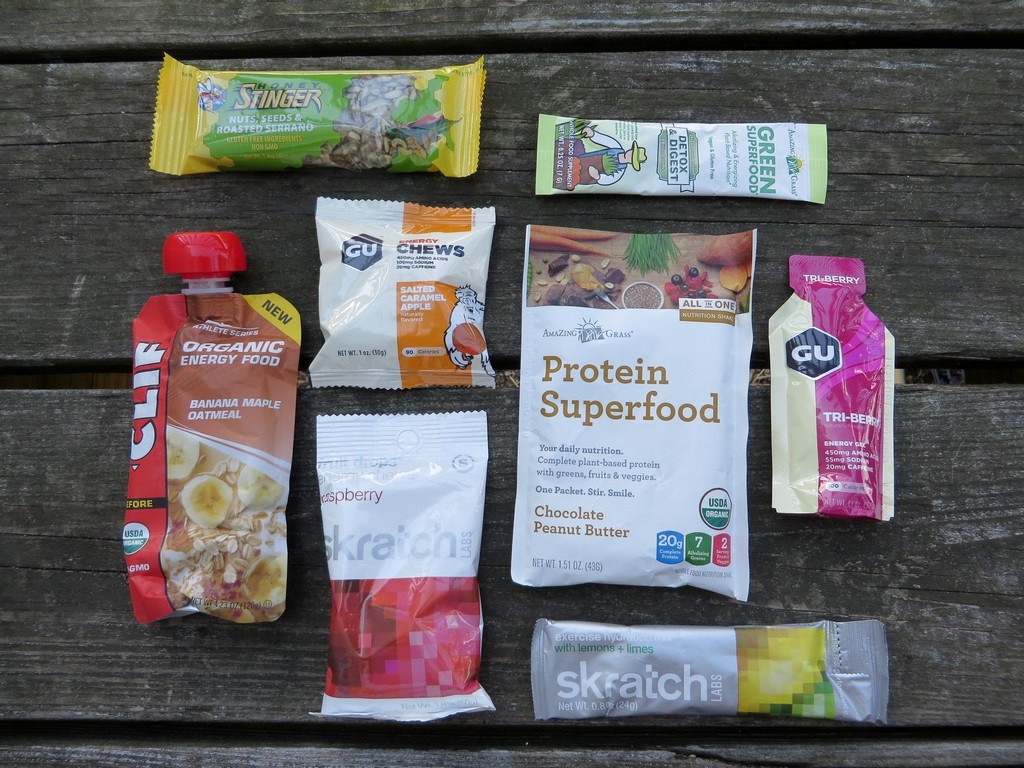
🍫 E — Extra Food
Bring: Enough snacks or meals for one additional day.
Why it matters: Unexpected detours, slow pace, or emergencies can extend your hike. Extra calories keep you energized and focused.
Pro tip: Choose lightweight, high-energy foods like trail mix, jerky, and energy bars.
🧭 Bonus: Don’t Forget Navigation & Fire!
Although not part of the acronym, two other essentials complete your kit:
🧭 Navigation
Maps, compass, and GPS ensure you know where you are—and how to get back. Always download offline maps before your hike.
🔥 Fire
A lighter, waterproof matches, and fire starter give you warmth, cooking ability, and emergency signaling power.
Together with H.I.K.E. S.A.F.E., these round out the classic Ten Essentials every hiker should have.
🎒 How to Pack Your H.I.K.E. S.A.F.E. Kit
- Keep it all in a small stuff sack for grab-and-go convenience.
- Check batteries, refill water filters, and restock first aid after each hike.
- Store your kit in your daypack so you never forget it.
🧡 Think of your H.I.K.E. S.A.F.E. kit as insurance for adventure—you hope you’ll never need it, but when you do, it’s everything.
🌲 Final Thoughts
These items don’t take up much space, and being prepared when in remote locations is critically important. Building your 10 Essentials Kit doesn’t just prepare you for the worst—it gives you the freedom to explore farther, hike longer, and truly enjoy nature without worry.