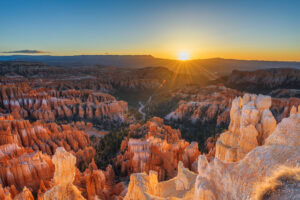


In this Bryce Canyon National Park in Winter Ultimate Guide we’re giving you all the tips and info you need to have an INCREDIBLE winter visit to this amazing park! Visiting Bryce Canyon National Park in Winter is where Heather and I FELL IN LOVE and it feels like stepping into a real-life snow globe — a peaceful, magical landscape where fiery red hoodoos glow beneath a blanket of white. Located in southern Utah, Bryce Canyon National Park transforms into a quiet wonderland during the colder months, offering fewer crowds, crisp mountain air, and breathtaking views you’ll never forget. We’ve explored Bryce in both summer and winter, and while each season is beautiful in its own way, there’s something truly special about seeing snow sparkle against those orange cliffs.
In this Bryce Canyon National Park in Winter Ultimate Guide, we’ll share everything you need to plan your perfect cold-season adventure — from the best hikes and viewpoints to where to stay, what to pack, and how to safely explore the park’s icy trails. Whether you’re visiting for a romantic getaway, a family trip, or a snowy photography escape, Bryce Canyon in winter is one of Utah’s most unforgettable experiences. If you’re headed there for summer, check out our Bryce Canyon Summer Guide!
About Bryce Canyon in Winter
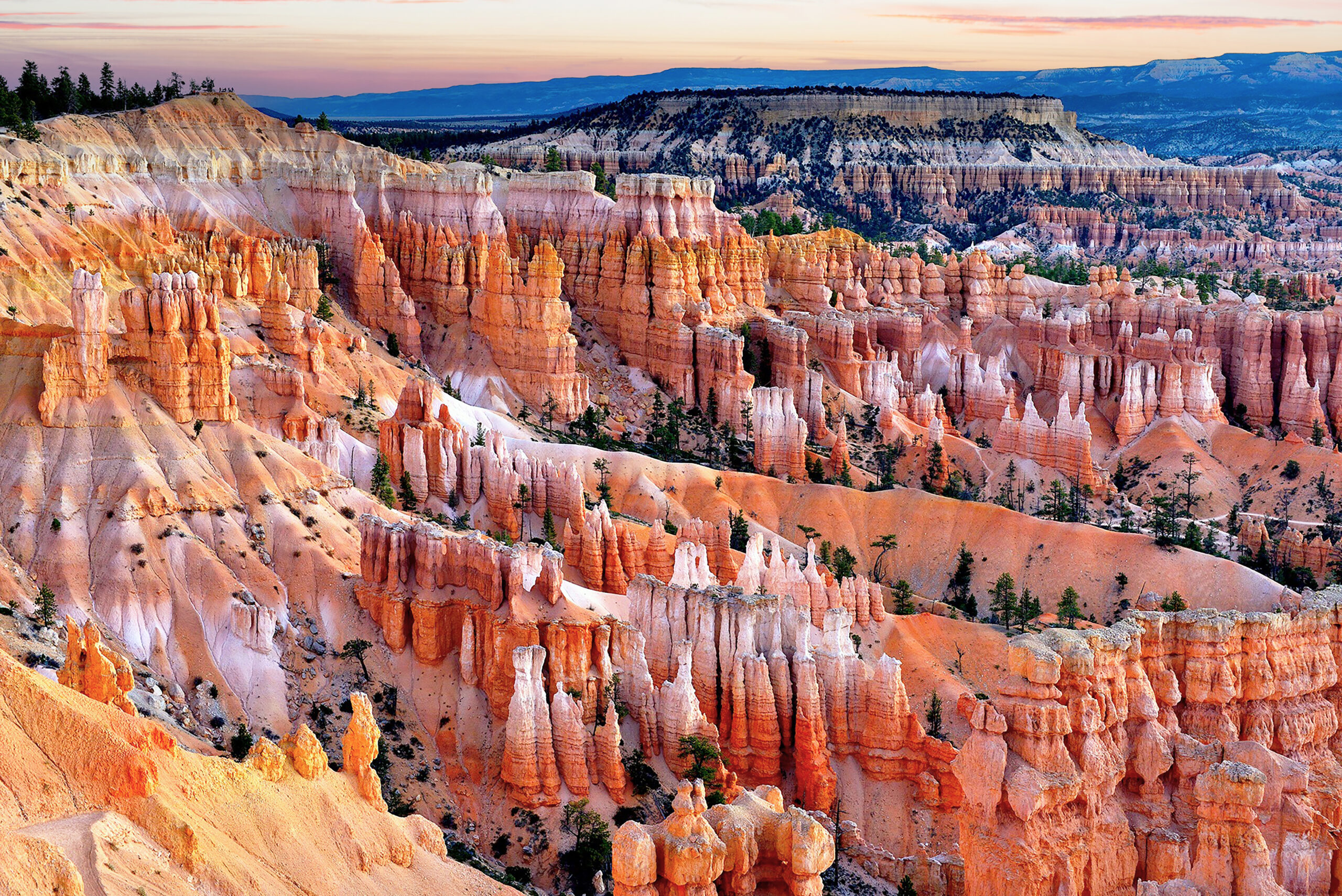
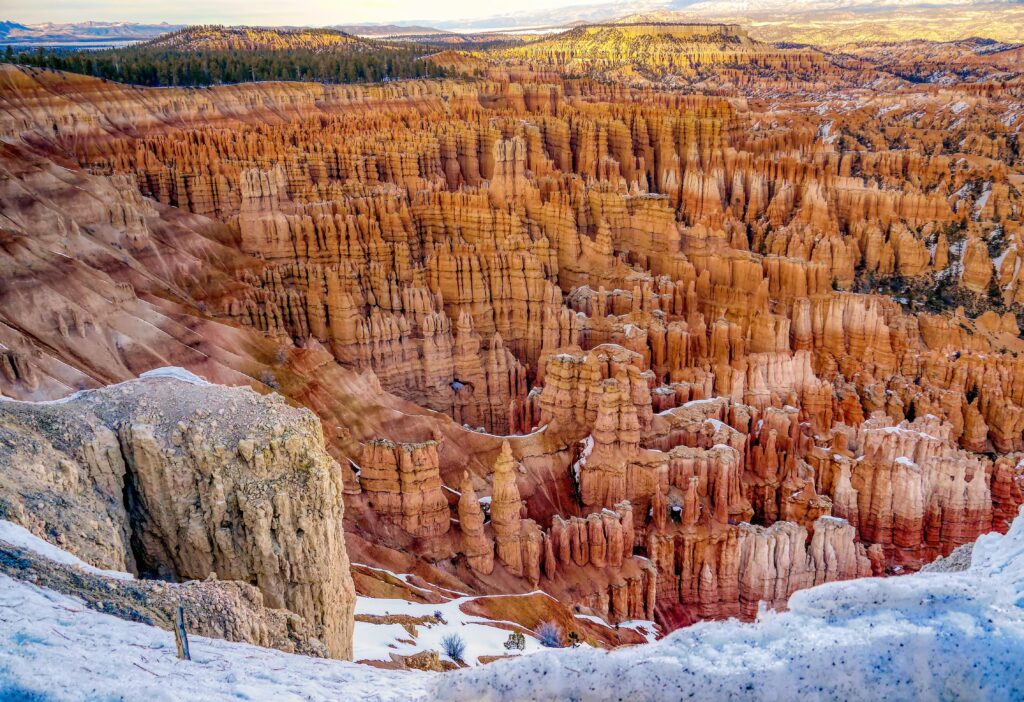
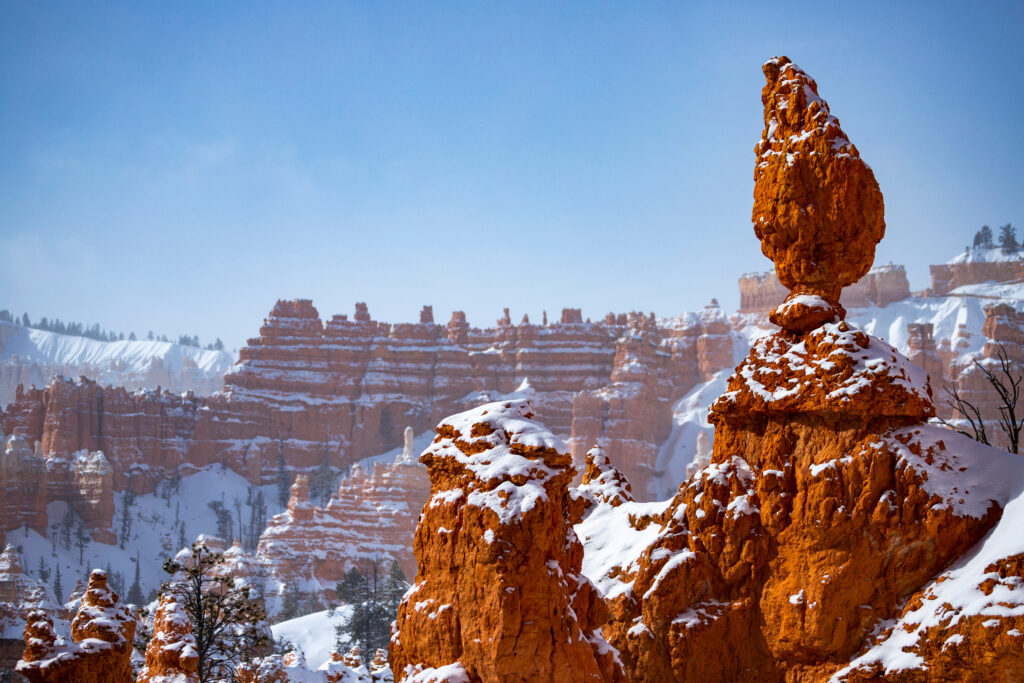
Winter at Bryce Canyon usually runs from November through March, when snowfall transforms the park into one of the most stunning landscapes in the entire Southwest. Bryce Canyon National Park is managed by the National Park Service and is known for its unique geological formations called hoodoos. The amphitheater — already breathtaking — becomes even more surreal when its orange spires are capped with white snow and framed by blue skies.
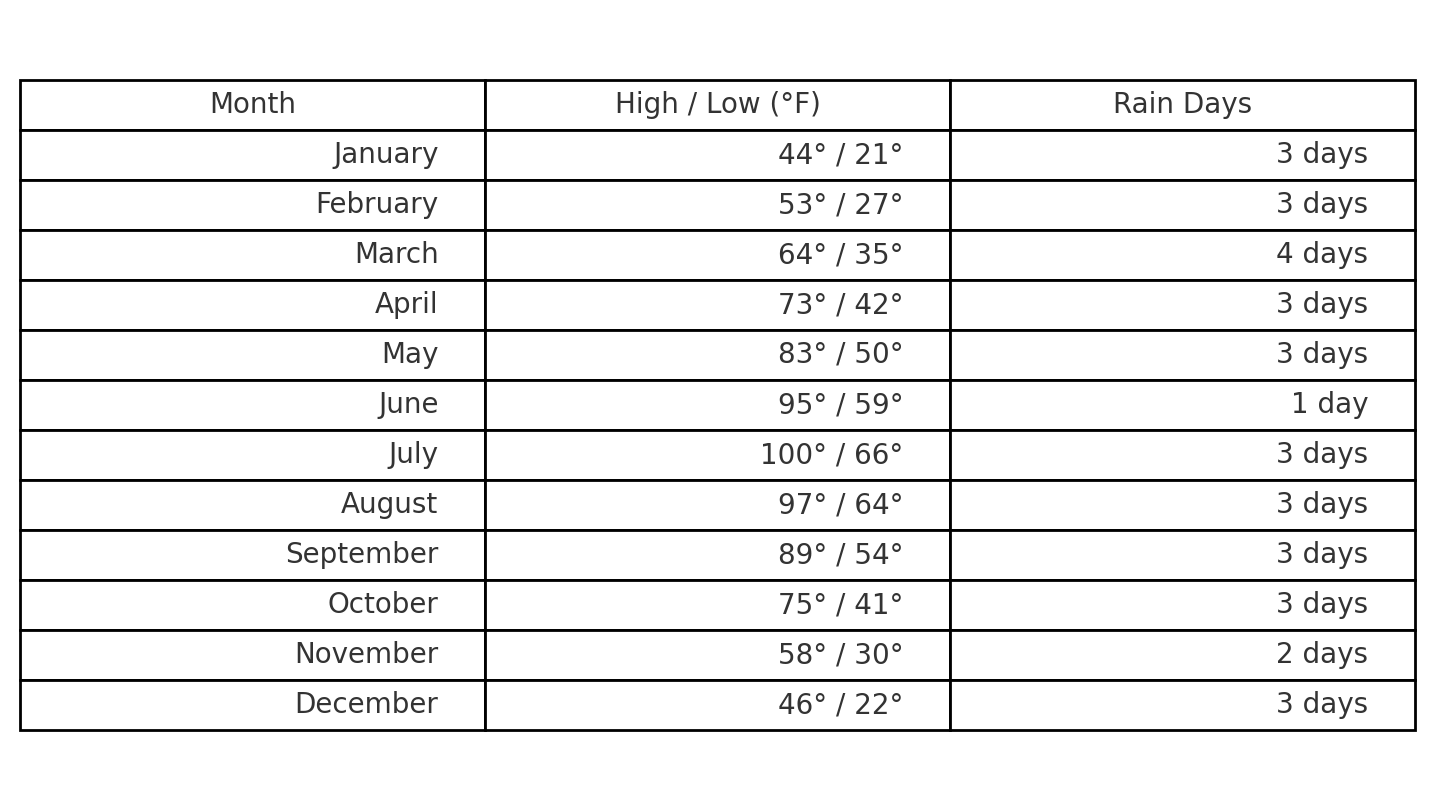
Temperatures can range from the teens at night to the mid-40s during the day, and the elevation (8,000–9,000 feet) means snow can linger well into spring. Roads and trails are regularly plowed, and while some areas close temporarily after big storms, most of the main park remains open and accessible.
💡 Pro Tip: Pack layers — it might feel mild in the sun but drop quickly into freezing once the sun sets behind the cliffs.
Why Visit Bryce Canyon in Winter
- Fewer Crowds: You’ll have the viewpoints practically to yourself.
- Incredible Photography: The contrast of red rock and snow is unmatched.
- Peaceful Trails: Perfect for quiet snowshoe hikes and winter photography.
- Night Skies: Cold, clear air means even sharper stargazing.
Best Time to Visit Bryce Canyon in Winter
Winter beauty peaks between December and February, when snowfall is most frequent.
🎄 December–January
Expect heavy snow and the most dramatic scenery. Bundle up for those early morning rim walks — it’s chilly but magical. Just BE CAREFUL!! Don’t get too close to the edges because the snow can become icy and losing your footing can mean losing your life!
❄️ February–March
Days get slightly warmer, and you’ll start to see more sun and accessible trails.
💡 Pro Tip: Plan your visit between storms if you can for clear roads and blue-sky days — check the Bryce Canyon NPS website for road and trail updates before you go.
Bryce Canyon National Park Weather
Getting to and Around Bryce Canyon National Park
Bryce Canyon is remote, but easy to reach.
- Salt Lake City (SLC) – 4 hrs
- St. George (SGU) – 2.5 hrs
- Cedar City (CDC) – 1.5 hrs
- Las Vegas (LAS) – 4.5 hrs
During winter, the free park shuttle does not operate, so you’ll drive your own vehicle. Roads are well-plowed, but 4WD or AWD is recommended after heavy snowfall.
💡 Pro Tip: Carry a small snow shovel and traction mats if you’re exploring after a storm — parking lots can get slick!
Where to Stay in Bryce Canyon in Winter
Inside the Park
- Bryce Canyon Lodge – This lodge is closed in winter, but definitely check for early spring openings.
- North Campground (Loop A) – Open year-round for hardy campers but expect freezing nights! If you’re one of the brave souls who loves to winter camp, this could be an awesome experience and probably feel very remote….even alone!
Just Outside the Park
- Best Western Plus Bryce Canyon Grand Hotel – This is where we’ve stayed a few times and it’s great. Warm rooms, indoor pool, breakfast — it’s ideal for winter comfort and you can’t beat the location.
- Ruby’s Inn – We’ve stayed here as well and it’s an amazing stay. They rent snowshoes, have cozy fireplaces, and are less than 10 minutes from the park entrance.
- Bryce Canyon Pines – This is a cabin-style lodging with homey vibes and hearty meals. Another good option.
The 13 Scenic Viewpoints of Bryce Canyon (from North to South)
One of the best ways to experience Bryce Canyon National Park — especially in winter — is to start at the end of the scenic drive and make your way back toward the entrance. The 18-mile road winds along the rim, revealing 13 major overlooks that each capture a different side of Bryce Canyon’s otherworldly beauty.
In winter, the snow-dusted hoodoos glow against the blue sky, and the light shifts dramatically as you move north — so by the time you reach the final overlooks, you’ll have seen Bryce Canyon under every shade of the winter sun.
💡 Pro Tip: The park’s plows usually clear the road to Rainbow Point by mid-morning. Start there and work your way back north — that way, all the overlooks are on your right-hand side, making them easy (and safe) to pull into, even in snowy conditions.
1. Rainbow Point & Yovimpa Point
🌈 The park’s highest viewpoint and your perfect starting point.
At 9,115 feet, Rainbow Point is the highest spot in the park — and in winter, it often feels like you’re standing above the clouds. On clear days, you can see more than 100 miles across southern Utah’s layered landscape. Snow blankets the cliffs below, creating an unbelievable contrast of red, orange, and white.
Just a few steps away is Yovimpa Point, offering panoramic views south across the Grand Staircase — layer after colorful layer stretching toward the horizon.
💡 Tip: Dress warmly! It’s often 10–15°F colder here than at the park entrance. If conditions allow, walk the Bristlecone Loop Trail (1 mile roundtrip) — a peaceful winter walk among ancient 1,800-year-old bristlecone pines.
We started our winter morning here — wind whipping through the pines, snowflakes swirling — and it felt like standing at the edge of the world.
2. Ponderosa Canyon
Just north of Rainbow Point, Ponderosa Canyon offers a beautiful transition from forested rim to open amphitheater. Tall ponderosa pines frame red cliffs below, their trunks glowing orange in the low winter sun. The overlook is often quiet, and the air here smells like pine and snow.
💡 Tip: Look closely — the contrast between snow, trees, and hoodoos makes for stunning photos, especially mid-morning when light floods the canyon.
3. Aqua Canyon
At Aqua Canyon, the colors shift from orange to a deep crimson, and the hoodoos rise like sculptures against the snow. Two formations nicknamed The Hunter and The Rabbit stand tall among the spires, creating a unique focal point for photography.
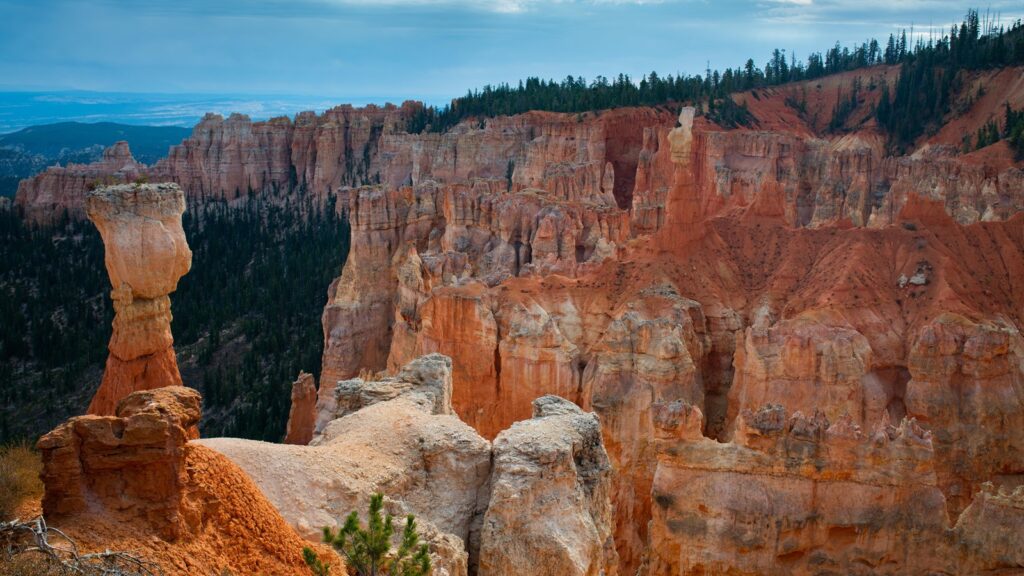
💡 Tip: The light here is best in the late morning or early afternoon — it illuminates the canyon face while the snow sparkles below.
4. Natural Bridge
Perhaps the most photographed stop in Bryce, Natural Bridge glows fiery red beneath a crown of white snow. This massive arch — carved by wind, frost, and rain — frames the pine-covered canyon below like a living postcard.
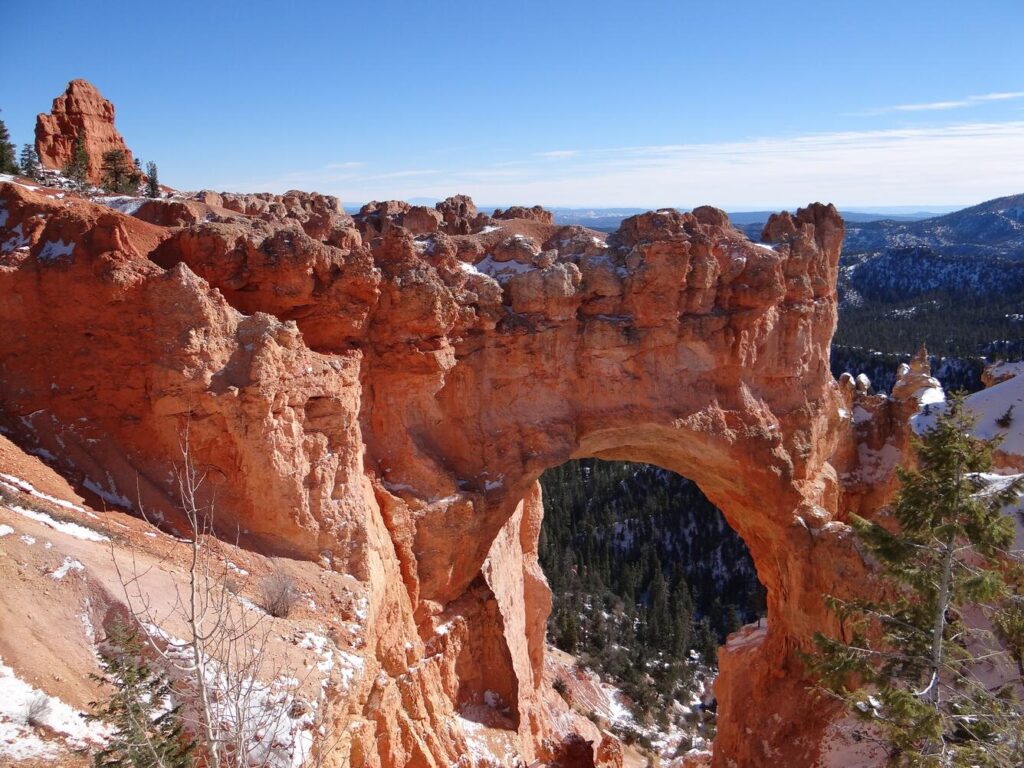
💡 Tip: Be cautious near the railing — ice often forms here. Visit mid-day for perfect light when the sun passes directly overhead and illuminates the arch.
5. Farview Point
🌤️ Exactly what the name promises.
From Farview Point, you can see across the Kaibab Plateau into Arizona — and on clear winter days, even as far as Navajo Mountain. The view stretches over four states, and the snow makes every ridge and layer stand out vividly.
A short walk from here takes you to Piracy Point, a quiet overlook that feels worlds away. The trail is usually packed down from other visitors, but traction cleats help in icy sections.
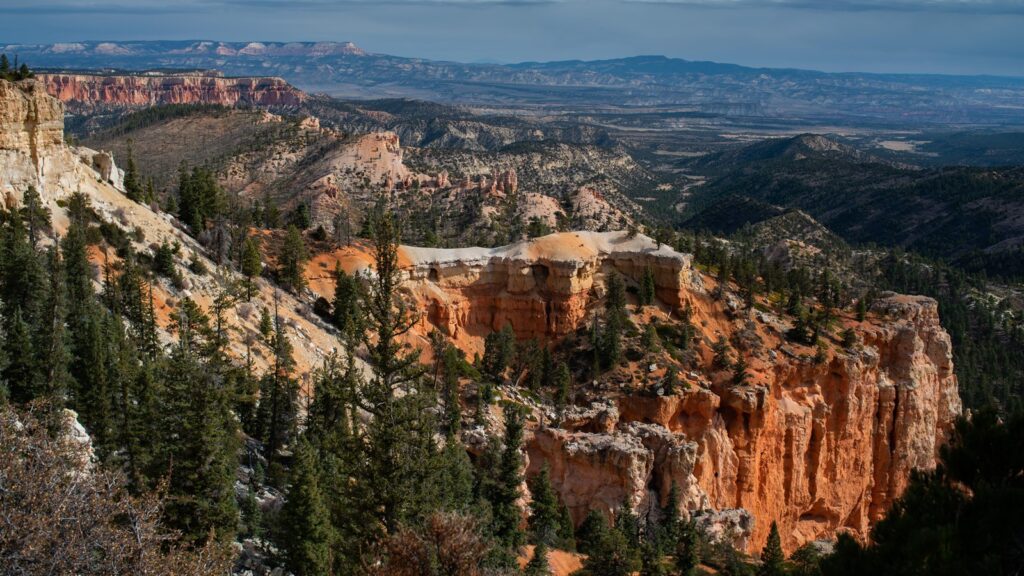
💡 Tip: Bring binoculars! The snow-covered cliffs and plateaus make distant formations pop.
6. Piracy Point
This spur trail from Farview Point leads to a secluded perch overlooking wide mesas and hoodoos that look like ships frozen in stone. It’s one of the most peaceful stops on the drive — especially in winter when you can hear the wind moving softly through the pines.
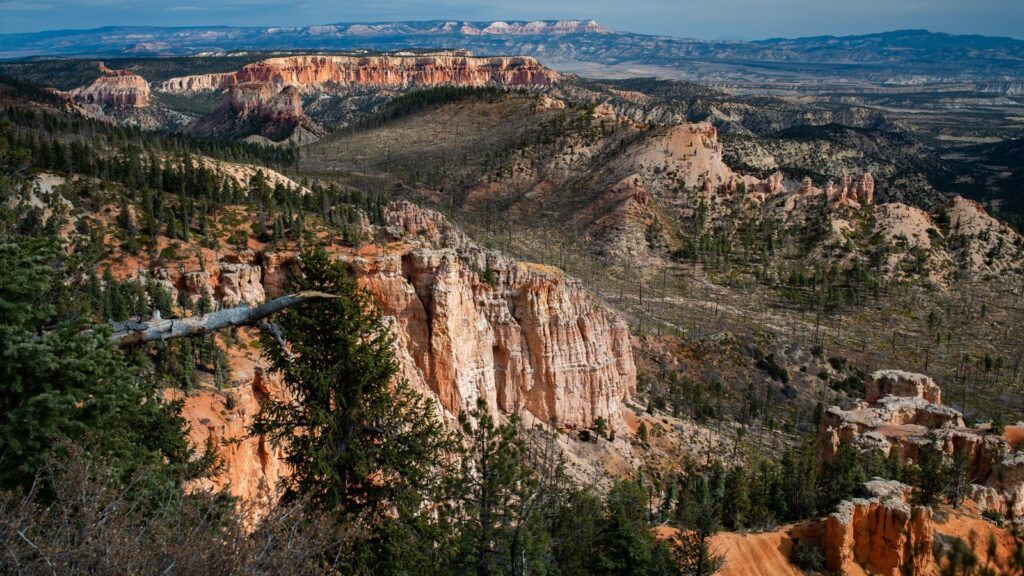
💡 Tip: Great spot for panoramas. Visit mid-day when the sun lights up the canyon walls evenly.
7. Swamp Canyon
Despite the name, Swamp Canyon isn’t swampy at all — it’s a cozy, tree-lined pocket of the park where you can get closer to the hoodoos. The Swamp Canyon Loop Trail starts here, though it’s often covered in snow. Even if you don’t hike, the overlook gives a peaceful, close-up perspective of Bryce’s formations.
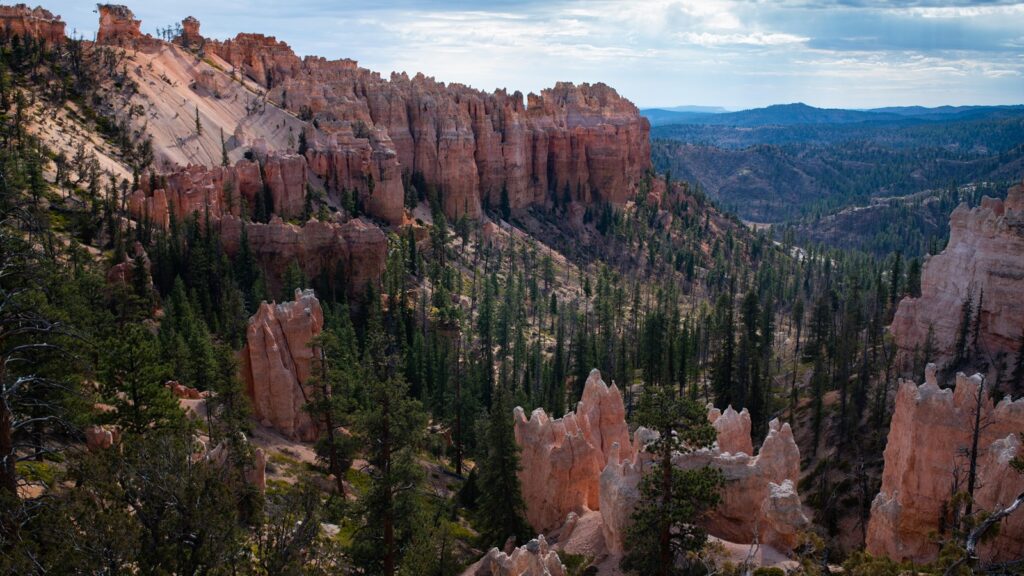
This was one of our quietest stops — just the crunch of snow under our boots and the distant call of a raven echoing through the canyon.
8. Paria View
🌅 The secret sunset spot.
While most people crowd Sunset Point, Paria View faces directly west, making it one of the few places in Bryce where you can actually watch the sun sink behind the horizon. In winter, that golden light reflecting off the snow creates an unforgettable glow.
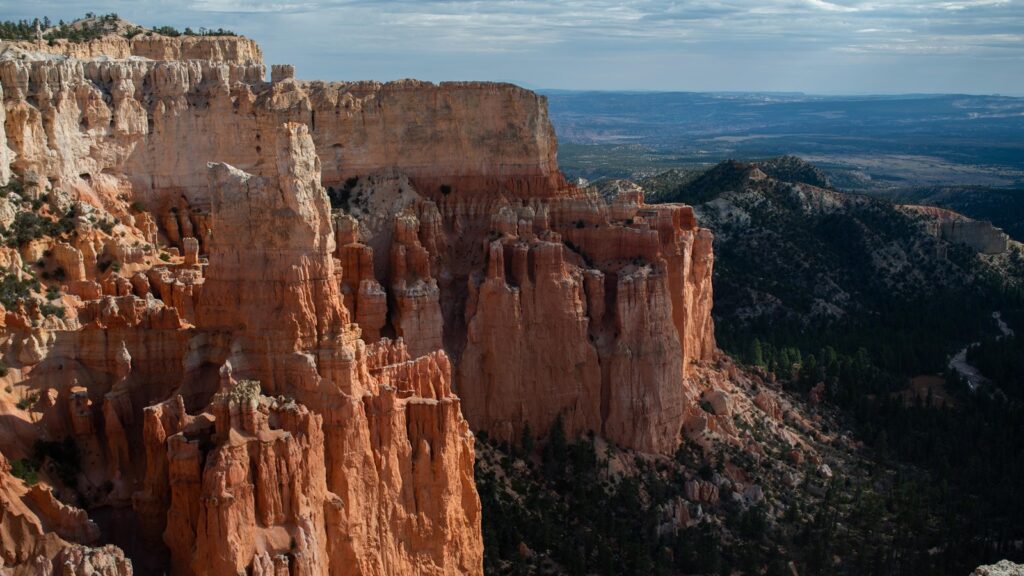
💡 Tip: Pack a thermos of hot cocoa — it gets cold fast after sunset.
9. Bryce Point
🌄 An unforgettable sunrise and sweeping amphitheater view.
Bryce Point is the quintessential sunrise spot, even in winter. The amphitheater spreads out below like a frozen ocean of stone. As the sun rises, the light creeps slowly across the hoodoos, turning them from purple shadows to blazing orange spires.
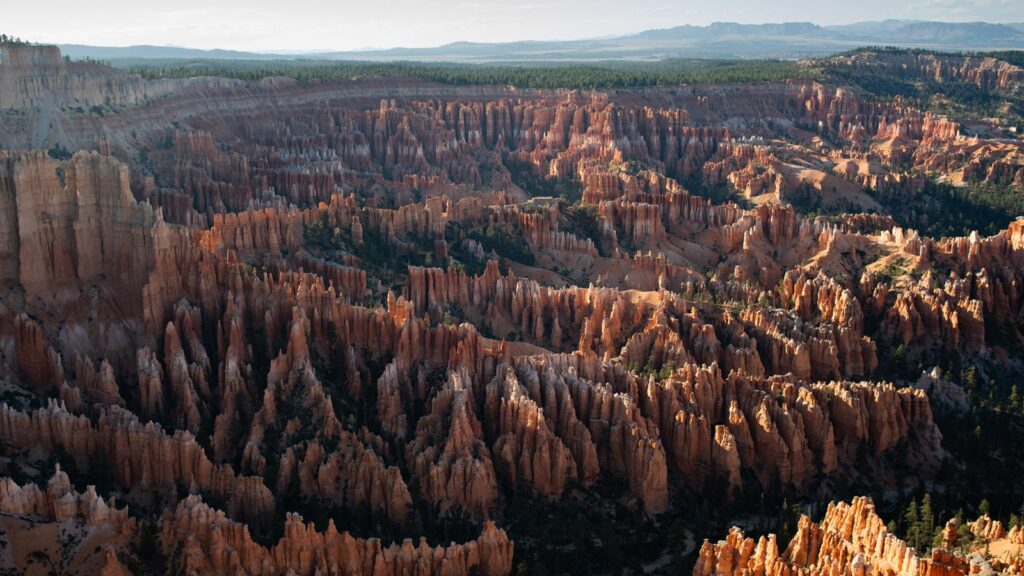
💡 Tip: Arrive early and dress for wind — Bryce Point can be bitterly cold in the morning, but the light is worth every frozen toe.
We’ve filmed multiple sunrises here — and no two ever look the same.
10. Inspiration Point
In winter, Inspiration Point truly lives up to its name. Snow fills the gaps between the hoodoos, creating striking patterns of light and shadow. The overlook has three levels — climb as high as conditions allow for the best panoramic views.
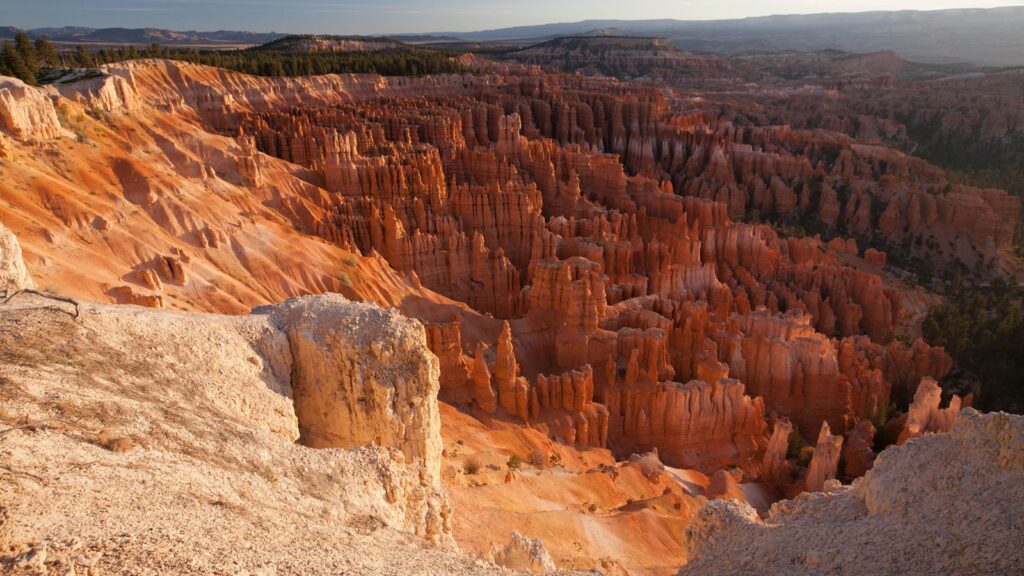
💡 Tip: The upper level can be icy; wear spikes or stay at the middle tier for a safer but still spectacular perspective.
11. Sunset Point
🌇 The classic Bryce view, reimagined in white.
This overlook delivers the park’s signature scene — a forest of fiery orange hoodoos stretching endlessly across the amphitheater. In winter, the snow adds depth and contrast, making every spire pop. You’ll also spot Thor’s Hammer, standing tall with its frosty cap.
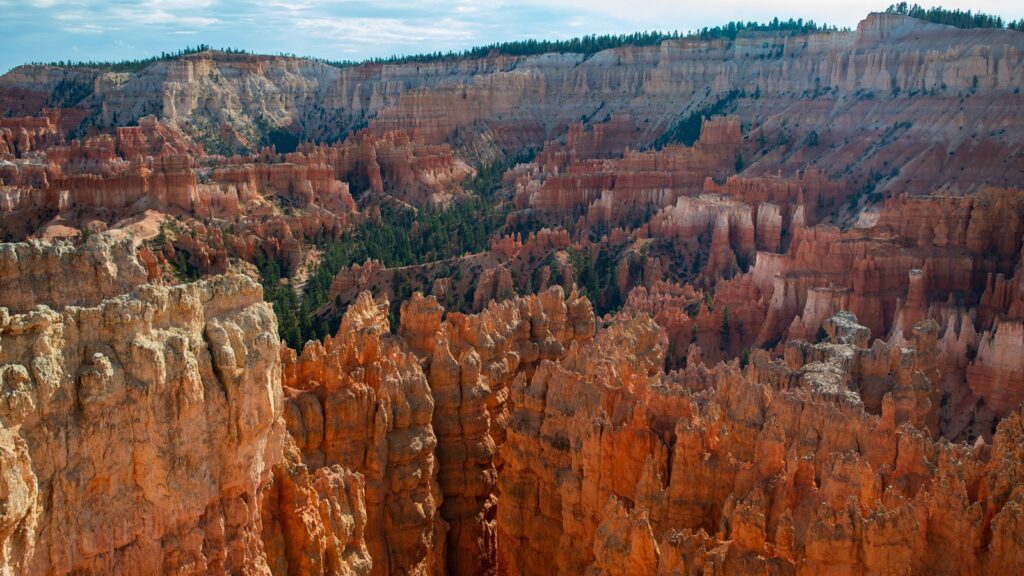
💡 Tip: Combine this with a short rim walk to Sunrise Point for gentle winter exercise and the park’s most photogenic stretch of trail.
12. Sunrise Point
Ironically, Sunrise Point is just as magical at sunset in winter as it is at dawn. The morning light here feels soft and pastel, and you can often see the Queen’s Garden Trail winding below through the snow.
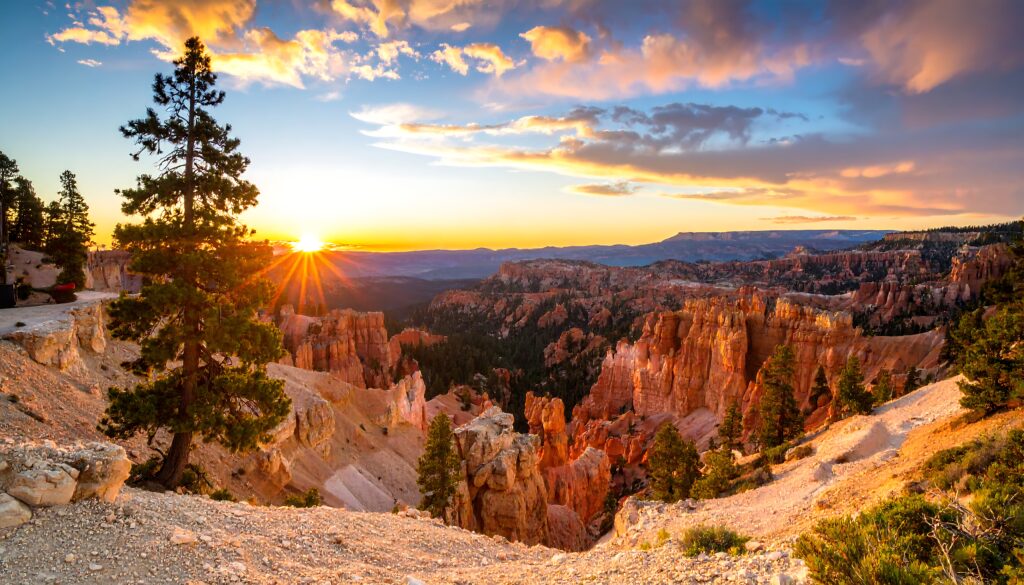
💡 Tip: The Queen’s Garden Trail is often open for a short distance in winter — go partway down for a unique below-the-rim view if it’s safe.
13. Fairyland Point
✨ Your final (and often most peaceful) stop.
Located just before the park entrance, Fairyland Point offers one last look into Bryce’s enchanting hoodoo world. It’s usually quieter than the main amphitheater, and because it sits at a slightly lower elevation, it’s sometimes the least snowy spot after storms.
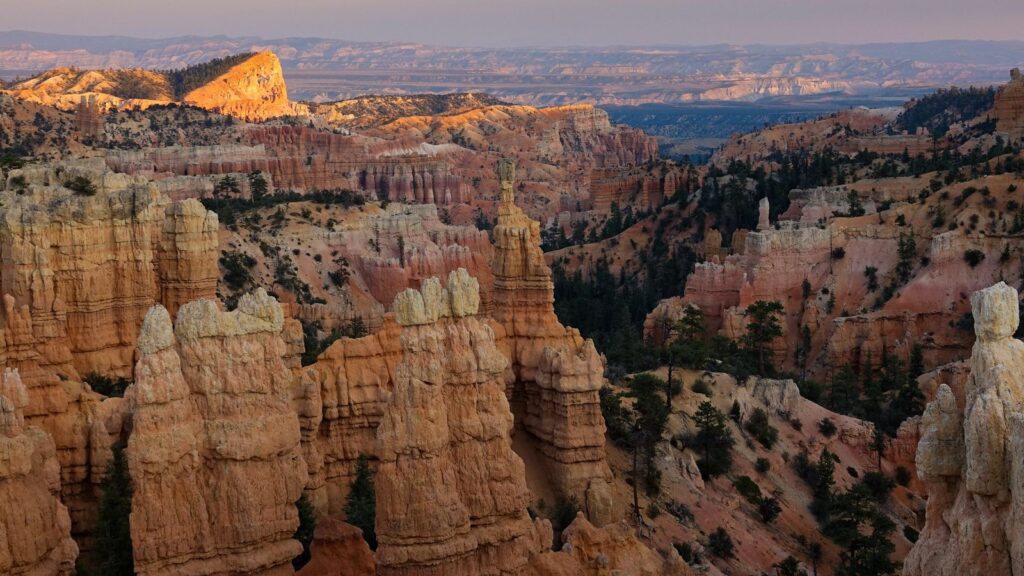
💡 Tip: If you’re visiting later in the day, this is a great place to end your scenic drive — the late afternoon light glows warm on the rock, and you’ll have the view almost to yourself.
We love wrapping up our Bryce adventures here — the view feels like a farewell from the canyon itself.
Winter Activities in Bryce Canyon National Park
Bryce Canyon in winter feels like stepping into a snow globe. The park’s red hoodoos dusted in white are breathtaking enough on their own, but once you start exploring, you realize winter isn’t a time to avoid Bryce — it’s one of the best times to truly experience it. The crowds thin, the air is crisp, and the trails take on a peaceful quiet that you rarely find in the busier seasons.
Here are some of the best ways to enjoy Bryce Canyon when the temperatures drop:
🥾 Winter Hiking
Most of Bryce Canyon’s popular trails remain open year-round — though some may partially close after storms for safety. The upper portions of the Navajo Loop and Wall Street are usually off-limits due to ice and rockfall, but the Queen’s Garden Trail and the Rim Trail between Sunrise and Sunset Points often remain accessible.
Our favorites in winter:
-
Queen’s Garden Trail: Descend among snow-capped hoodoos glowing in the morning light. Bring microspikes — it can get slick on the switchbacks.
-
Mossy Cave Trail: Located just outside the main amphitheater, this short, family-friendly hike (less than a mile each way) often has frozen waterfalls and sparkling ice formations.
-
Bristlecone Loop Trail: At Rainbow Point, this easy 1-mile loop meanders through ancient trees and offers stunning views across the snow-covered plateau.
💡 Pro Tip: Always check trail conditions at the Visitor Center before hiking. The park loans traction devices in winter — and they’re worth it if you plan to go below the rim.
We loved hiking down the Queen’s Garden after a light snowfall — the red walls and white powder felt like something out of a painting.
🎿 Cross-Country Skiing
If you’re looking for a unique way to explore Bryce Canyon’s rim, bring or rent cross-country skis! The park grooms several miles of trails around the Bryce Amphitheater area, starting from the Visitor Center and running along the rim toward Sunrise Point.
These trails are generally easy to moderate and perfect for beginners or families. You’ll glide along snowy pines with sweeping canyon views — and often, you’ll have the trail nearly to yourself.
💡 Pro Tip: If you’re staying at Ruby’s Inn, they rent skis and poles and even maintain groomed trails on their property just outside the park entrance.
🥾❄️ Snowshoeing
Snowshoeing is hands down one of the most magical ways to explore Bryce in winter. After a fresh snowfall, the park feels brand new — and snowshoes make it possible to go places you normally couldn’t.
You can snowshoe on almost any trail, but the Rim Trail and Bristlecone Loop are especially rewarding when blanketed in snow. The park also offers free ranger-led snowshoe hikes, typically on weekends, when snow depth allows. The rangers provide snowshoes, and all you need to bring are warm clothes, waterproof boots, and a sense of adventure.
💡 Pro Tip: Sign up early for ranger-led hikes at the Visitor Center — they’re small groups and fill up quickly.
We joined a ranger-led snowshoe tour once and learned so much about Bryce’s geology while crunching through the snow — it felt like an adventure movie come to life.
🌌 Stargazing & Night Photography
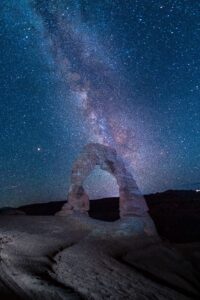
Winter skies at Bryce Canyon are crystal clear. With no humidity, minimal light pollution, and long nights, the stargazing here is world-class. The park is a certified International Dark Sky Park, and on clear winter nights, you can see the Milky Way stretching from horizon to horizon.
The best spots for stargazing are Bryce Point, Inspiration Point, and Sunrise Point. The combination of snow, starlight, and silence is something you’ll never forget.
💡 Pro Tip: Bring a tripod if you’re into night photography — and dress warmly! Bryce’s elevation means temperatures can drop into the teens after sunset.
🦉 Ranger-Led Programs & Winter Events
Even in the off-season, Bryce Canyon offers ranger-led activities. Check the Visitor Center schedule for daily talks, geology walks, and winter ecology programs.
If you happen to visit in February, don’t miss the park’s Annual Winter Festival, hosted by Ruby’s Inn in nearby Bryce Canyon City. It features family-friendly events like cross-country ski races, photography workshops, guided snowshoe hikes, and kids’ activities — all celebrating the magic of winter in the high desert.
We visited during the Winter Festival one year and were blown away by how lively it was — it’s a totally different way to see Bryce, surrounded by snow and smiling faces.
Sunrise, Sunset, & Stargazing in Bryce Canyon in Winter
🌄 Sunrise
- Best Spot: Sunrise Point or Bryce Point.
The snow amplifies the golden light as the sun hits the amphitheater. But bundle up — mornings average 15–25°F.
🌇 Sunset
- Best Spot: Inspiration Point or Paria View.
Here you can watch the cliffs glow red-orange before fading into deep purples.
🌌 Night Sky
Winter nights at Bryce are some of the clearest in the world. Bring a thermos and gaze up — it’s an International Dark Sky Park. You’ll see the Milky Way arching over the snow-covered hoodoos — a view that feels straight out of a dream. When I took Heather there for the first time I brought my dogs out to use the bathroom before bed and looked up and my jaw dropped to the ground! I’d never seen anything like this and I had to run back to the room and grab Heather, have her close her eyes, and lead her to where she could see the stars without the hotel lights. When she opened them her response was the same, and we just danced in the dark under the stars, enjoying the moment together. Bryce Canyon is where we fell in LOVE!!!
💡 Pro Tip: Check if the park is hosting Full Moon Snowshoe Hikes — ranger-led treks lit only by moonlight and the reflection of snow. They’re unforgettable!
🦊 Winter Wildlife
While many animals hibernate, you’ll still spot:
- Mule deer foraging near the lodge area
- Ravens riding updrafts over the amphitheater
- Red foxes trotting across the snow at dawn
- Occasionally, pronghorn or elk near the park entrance
💡 Tip: Morning light and quiet roads make wildlife photography incredible this time of year.
Where to Eat in Bryce Canyon in Winter
- Bryce Canyon Pines Restaurant – They’re famous for hearty soups and homemade pies.
- Ruby’s Inn Restaurant – This is comfort food and very family-friendly.
- Bryce Canyon Coffee Co. – This is a cozy spot for espresso and breakfast burritos before your sunrise adventure.
🗓️ Itineraries
🗓️ 1-Day Itinerary
- Sunrise at Sunrise Point
- Hike Rim Trail + Mossy Cave Trail
- Lunch at Bryce Pines
- Afternoon scenic drive to Bryce & Inspiration Points
- Sunset at Paria View
🗓️ 3-Day Itinerary
Day 1: Arrive, explore Sunrise & Sunset Points, short hike on Rim Trail
Day 2: Snowshoe the Queen’s Garden/Navajo combo trail + visit Mossy Cave
Day 3: Drive to Rainbow Point (if open) + evening stargazing session
🕓 How Much Time Do You Need?
While you can experience the highlights in one full day, we recommend 2–3 days in winter to explore at a relaxed pace, especially if you want to do snowshoeing or photography. Weather delays can happen, and having extra time ensures you won’t feel rushed if snow closes certain areas temporarily.
Our Experience
We’ll never forget walking along the rim as snow gently fell, the hoodoos glowing orange beneath a winter sunrise. Lukas made snow angels on the overlook trail while we sipped hot chocolate, laughing at how quiet everything was.
Bryce Canyon in winter doesn’t feel real — it feels magical. It’s calm, cinematic, and awe-inspiring all at once. For anyone who loves adventure with a side of peace and wonder, winter here is pure perfection.
✨ As always — Keep Adventuring, Keep Exploring, and we’ll see you on the next Adventure!