

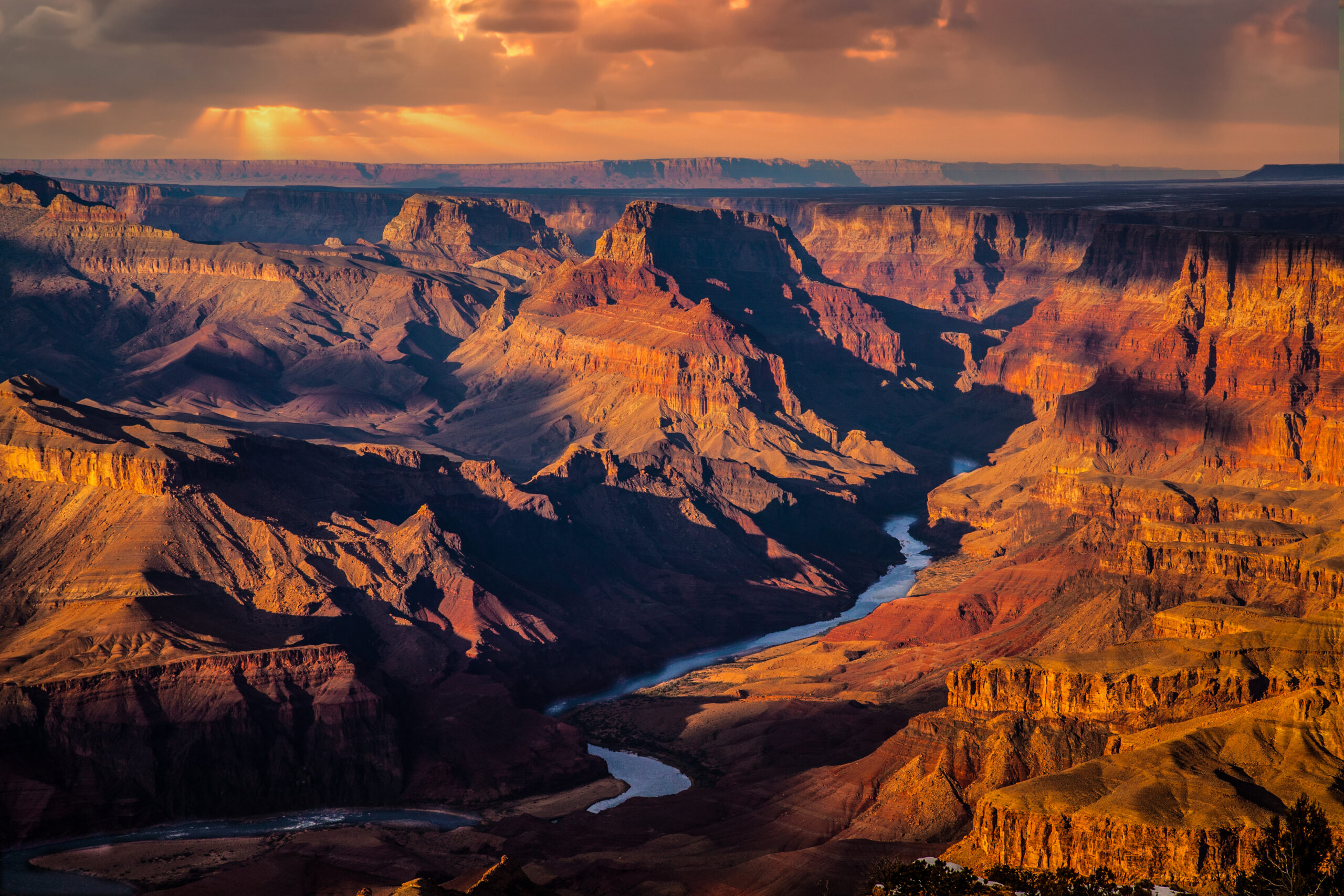
Planning a trip to Grand Canyon National Park? This is one of those places that almost everyone has seen in photos — but nothing really prepares you for standing on the rim and seeing it in person.
The Grand Canyon is massive: 277 miles long, up to 18 miles wide, and over a mile deep, with rock layers that reveal nearly two billion years of geologic history. But even though it can seem like an easy “drive up, take a photo, and go” kind of park, Grand Canyon takes more planning than many first-time visitors expect.
The South Rim and North Rim are hours apart by road, the best viewpoints depend on timing, summer heat below the rim can be dangerous, popular lodging books far ahead, and in 2026, current closures and recovery efforts are affecting several classic Grand Canyon experiences.
We’re Heather and Jesse from Adventure Family Vlog, and in this Grand Canyon National Park guide, we’re breaking down the big things you need to know before you go — including the South Rim, North Rim, best viewpoints, hiking tips, where to stay, what to pack, family tips, and how to avoid common planning mistakes.
Want the Complete Grand Canyon Planning Breakdown?
This blog will help you get started, but our Ultimate Grand Canyon National Park Guide 2026 goes much deeper with South Rim planning, North Rim updates, current 2026 conditions, hiking charts, viewpoint recommendations, lodging strategy, camping info, Phantom Ranch updates, mule ride status, packing lists, safety tips, sample itineraries, and our full first-hand planning recommendations.
👉 Want more details? Check out our premium Grand Canyon guide here.
Why Visit Grand Canyon National Park?
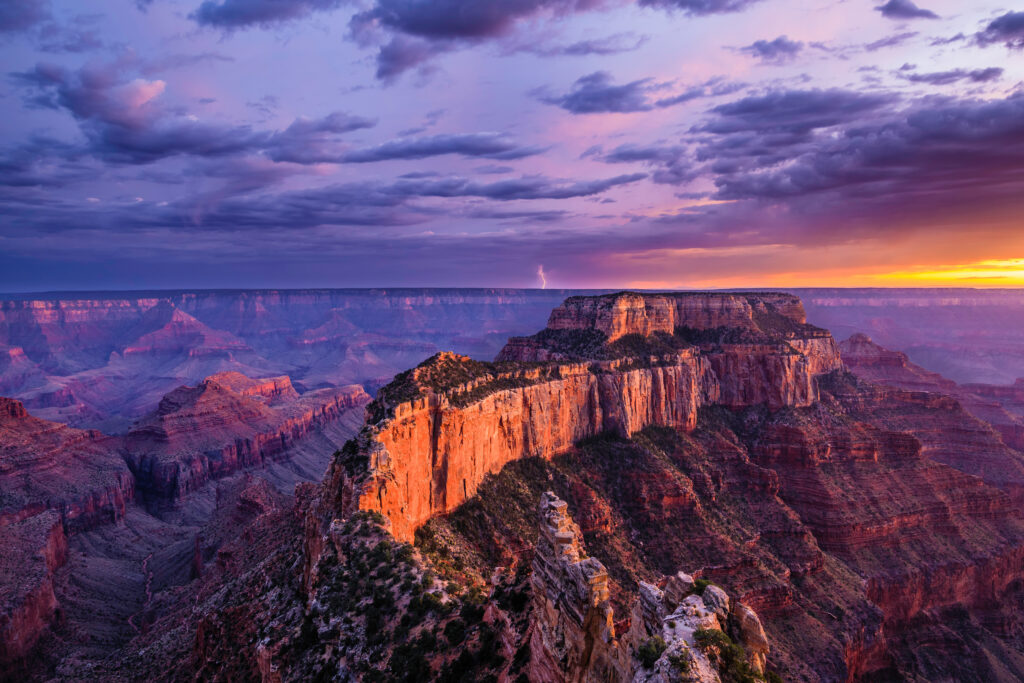
Grand Canyon National Park is one of the most iconic landscapes in the world for a reason.
It is not just big — it is almost impossible to understand the scale until you are standing at the edge. The canyon stretches for hundreds of miles, drops more than a mile deep in places, and changes color constantly as the light moves across the cliffs, temples, buttes, and inner gorge.
For most visitors, the first look happens at the South Rim, which is open year-round and has the most lodging, restaurants, shuttle routes, visitor centers, viewpoints, and family-friendly logistics. The North Rim is higher, quieter, more remote, and seasonal — and in 2026, it also requires extra planning because of limited services and recovery from the 2025 Dragon Bravo Fire.
Grand Canyon is also a park where your experience can vary dramatically based on how you plan it.
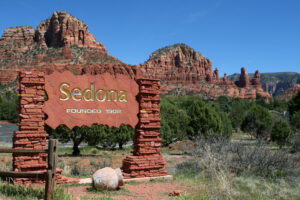
You can have a simple rim-viewpoint day, a photography-focused sunrise and sunset trip, a family-friendly weekend, a hiking-heavy adventure, a historic lodge stay, a Route 66 add-on, or a larger Southwest road trip that pairs Grand Canyon with Sedona, Page, Zion, Bryce Canyon, or Las Vegas.
The key is choosing the right version of the trip for your time, season, group, and comfort level.
Grand Canyon 2026 Current Conditions: Know Before You Go
Grand Canyon is open and absolutely worth visiting in 2026, but this is an unusual year for the park.
Your planning should account for two major events:
- The 2025 Dragon Bravo Fire, which affected the North Rim
- The August 2026 flash flood, which damaged parts of the inner canyon and affected trail, bridge, water, Phantom Ranch, and corridor access
According to the guide’s current-condition notes, the August 2026 flash flood caused major impacts in Bright Angel Canyon and the Phantom Ranch area. As of the guide’s most recent research, Phantom Ranch, Bright Angel Campground, Cottonwood Campground, the entire North Kaibab Trail, Black Bridge, and Silver Bridge remain closed with no estimated reopening date. The South Kaibab Trail is closed below the Tip-Off, and the Bright Angel Trail is closed below its junction with the Tonto Trail.
That does not mean you should skip Grand Canyon.
It means you should plan your trip around what is currently open, avoid building your itinerary around closed experiences, and check official NPS conditions before you leave.
Important 2026 planning notes:
- The South Rim remains the easiest and most practical choice for most first-time visitors.
- The North Rim reopened for day use, but has limited services and no overnight lodging in the developed area for 2026.
- The North Kaibab Trail is currently closed.
- Phantom Ranch is currently closed.
- Overnight mule rides to Phantom Ranch are cancelled through February 28, 2027.
- Water availability may be affected, so visitors should confirm current water status before hiking, camping, or visiting the North Rim.
- Grand Canyon entrance stations are cashless, so bring a credit/debit card or valid pass.
Planning Around 2026 Grand Canyon Closures?
This is exactly where having a current guide helps. Our Ultimate Grand Canyon National Park Guide 2026 includes the current-condition notes, what to skip unless conditions change, trail closure context, Phantom Ranch updates, mule ride status, water warnings, and realistic planning tips in one easy-to-use PDF.
👉 Want more details? Check out the premium Grand Canyon guide here.
South Rim vs. North Rim: Which Should You Visit?
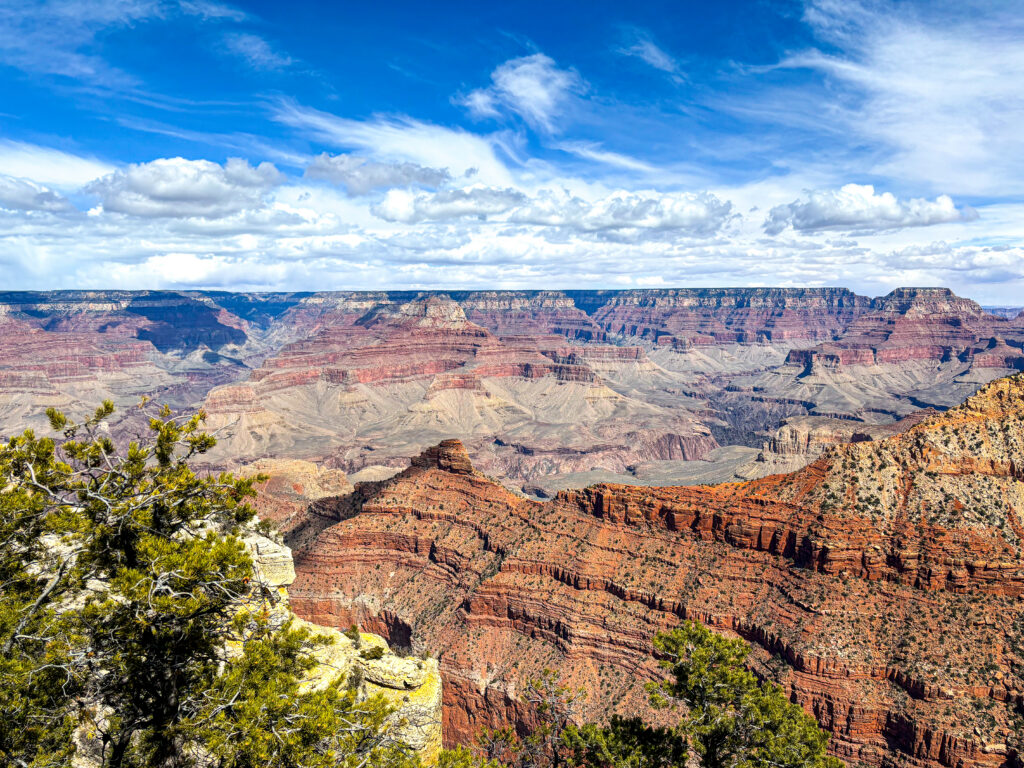
One of the biggest Grand Canyon planning questions is whether to visit the South Rim, the North Rim, or both.
For most first-time visitors, we recommend starting with the South Rim.
The South Rim is open year-round and has the most services, including Grand Canyon Village, multiple lodges, visitor centers, restaurants, shuttle routes, iconic viewpoints, and the most practical family-friendly access. It is also where you’ll find popular areas like Mather Point, Yavapai Point, Hermit Road, Desert View Drive, Bright Angel Trail, and South Kaibab Trail.
The North Rim is beautiful, quieter, and higher in elevation, but it is much more seasonal and remote. In 2026, it also has reduced services because of fire and flood impacts. The North Rim can still be worth visiting, but it should be planned carefully and treated as a separate part of the trip — not a quick side stop from the South Rim.
Choose the South Rim if:
- It is your first visit
- You want year-round access
- You want the easiest family logistics
- You want lodging, restaurants, shuttles, and visitor centers
- You want classic Grand Canyon viewpoints
- You have limited time
Choose the North Rim if:
- You want a quieter experience
- You are visiting during the open season
- You are comfortable with limited services
- You are okay being more self-sufficient
- You understand 2026 closures and are checking current conditions
Should You Visit Both Rims?
You can, but don’t underestimate the drive.
The South Rim and North Rim are only about 10 miles apart as the crow flies, but driving between them takes about 4–5 hours because there is no road directly across the canyon.
For most families, both rims make sense only if you have extra days and are willing to overnight near the North Rim or a gateway town like Jacob Lake, Kanab, or Page.
Best Time to Visit Grand Canyon National Park
Grand Canyon can be visited year-round, but the best season depends on what you want to do.
Spring
Spring is one of the best times to visit the South Rim. The weather is milder, crowds are lighter than summer, and below-rim hiking temperatures are generally more manageable.
Summer
Summer is the busiest season, and below-rim heat can be dangerous. Inner-canyon temperatures regularly top 100°F, even when the rim feels comfortable. If you hike in summer, start early and turn around early.
Fall
Fall is one of our favorite times for a Grand Canyon trip. Temperatures become more comfortable, crowds thin after peak summer, and the light can be beautiful for photography.
Winter
Winter brings cold temperatures and possible snow at the rim, but it can also be one of the most beautiful and peaceful times to visit the South Rim. The North Rim is closed for the season in winter.
For most first-time visitors, spring and fall offer the best balance of weather, crowds, hiking conditions, and photography.
Grand Canyon Entrance Fees and Passes
A single Grand Canyon entrance pass covers both the South Rim and North Rim for seven consecutive days.
The guide lists these 2026 fees:
- Private vehicle: $35
- Motorcycle: $30
- Per person on foot, bike, shuttle, or train: $20
- Grand Canyon Annual Pass: $70
- America the Beautiful Pass: $80
- Non-Resident America the Beautiful Annual Pass: $250
- Nonresident surcharge: $100 per person age 16+ when entering with a standard entrance pass
Entrance stations are cashless, so bring a card or arrive with a valid pass already purchased.
International travelers should also pay close attention to the 2026 nonresident surcharge rules. If you’re visiting multiple U.S. national parks, the Non-Resident America the Beautiful Annual Pass may be a better value than paying the surcharge at multiple parks.
Best Things to Do at the Grand Canyon South Rim
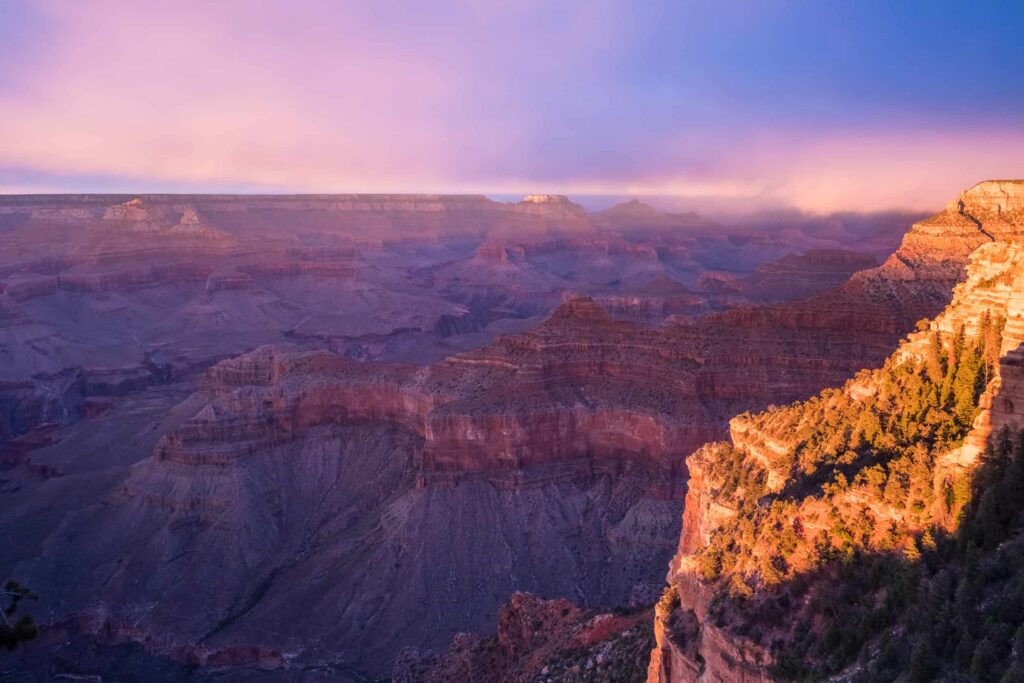
The South Rim is where most visitors should focus their first Grand Canyon trip.
Start at Mather Point
Mather Point is one of the most popular first-look viewpoints at the Grand Canyon, and for good reason. It is close to the main visitor center, easy to access, and gives you that classic “we made it” canyon moment.
Walk Part of the Rim Trail
The Rim Trail is one of the best low-effort ways to experience the canyon. Much of it is paved, and it connects several major viewpoints along the South Rim.
For families, this is one of the easiest ways to enjoy Grand Canyon without committing to a steep below-rim hike.
Visit Yavapai Point and the Geology Museum
Yavapai Point is one of the best accessible viewpoints near the main visitor center area. It is especially nice for sunrise or early morning light.
Ride the Hermit Road Shuttle
Hermit Road runs west from Grand Canyon Village toward Hermits Rest and includes several excellent viewpoints. For part of the year, private vehicles are restricted and visitors use the free shuttle instead.
Drive Desert View Drive
Desert View Drive runs east from Grand Canyon Village toward the Desert View Watchtower. It is one of the best scenic drives in the park and a great option if you want viewpoints that often feel less crowded than the Village and Hermit Road corridor.
Visit Desert View Watchtower
The Desert View Watchtower is one of the most recognizable historic structures in the park. It sits at the far east end of Desert View Drive and offers one of the widest canyon views, including a distant look at the Colorado River.
Want the Full South Rim Planning Strategy?
The South Rim is easy to visit, but it’s also easy to waste time bouncing between viewpoints, parking areas, shuttle stops, and crowded overlooks.
Our Ultimate Grand Canyon National Park Guide 2026 includes South Rim planning, best viewpoint strategy, shuttle notes, Desert View Drive tips, historic village highlights, family-friendly ideas, and realistic itinerary options.
👉 Want more details? Check out our premium Grand Canyon guide here.
Best Grand Canyon Viewpoints
Grand Canyon has dozens of viewpoints, but you do not need to see every single one to have an incredible trip.
Here are a few great starting points:
- Best first view: Mather Point
- Best easy sunrise: Mather Point or Yavapai Point
- Best classic sunset: Hopi Point
- Best quieter scenic drive: Desert View Drive
- Best historic stop: Desert View Watchtower
- Best quick family walk: Rim Trail near the main visitor center
- Best North Rim sunset, if open: Cape Royal
For photography, plan your most important shots during the first and last hour of daylight. Midday light can flatten the canyon’s colors and make it harder to capture depth.
Best Grand Canyon Hikes for First-Time Visitors
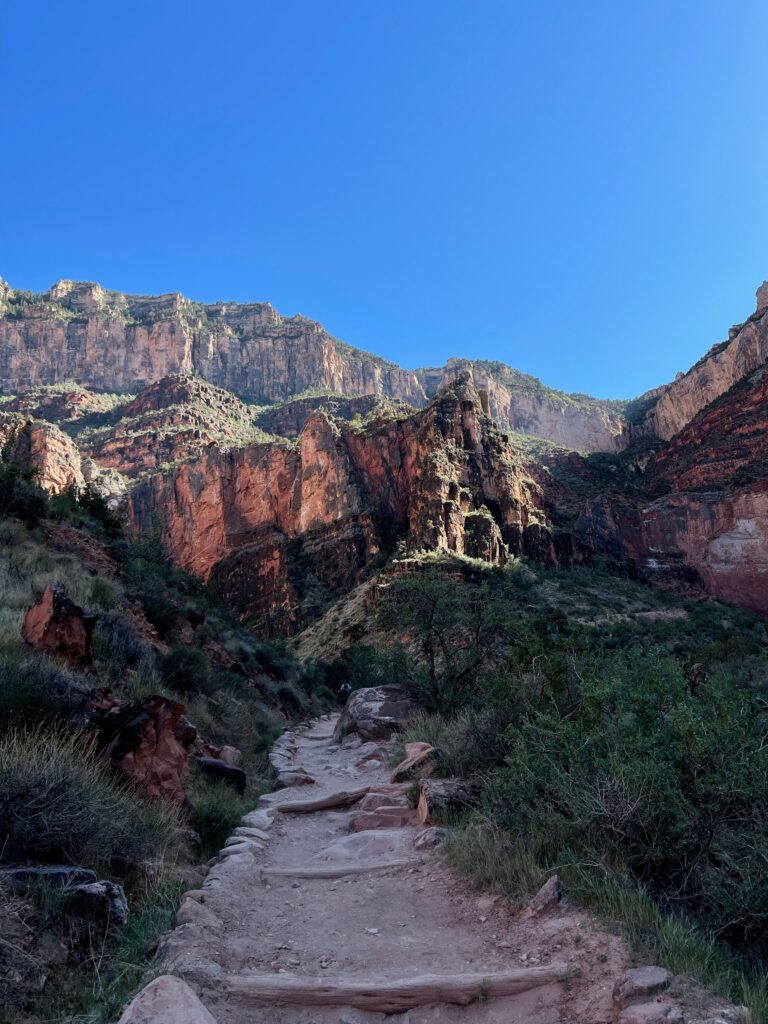
Grand Canyon hiking is different from many national parks because the hard part comes second.
At most parks, you hike up first and down later. At Grand Canyon, you often hike down first, which feels easier — and then have to climb back out when you are tired, hot, and lower on water.
That is why we recommend being conservative, especially with kids.
Rim Trail
Best for families, first-time visitors, accessibility, and low-effort canyon views.
This is the easiest hiking option because it stays along the rim and connects major viewpoints.
South Kaibab Trail to Ooh Aah Point
Best for a short, iconic below-rim experience.
The hike to Ooh Aah Point is about 1.8 miles round trip, but it is steep, exposed, and has no water. Start early and treat even short below-rim hikes seriously.
Bright Angel Trail to 1.5-Mile Resthouse
Best first below-rim hike for many visitors.
Bright Angel Trail has switchbacks, some shade, and seasonal water/restrooms at certain points, but water is never something to assume. The 1.5-Mile Resthouse is a reasonable turnaround for many day hikers.
South Kaibab Trail to Skeleton Point
Best for stronger hikers who want bigger views.
Skeleton Point is about 6 miles round trip, with major elevation change and no water. In 2026, verify current trail status before planning beyond the open sections.
North Kaibab Trail
Normally, the North Kaibab Trail is the only maintained route from the North Rim into the canyon. But in 2026, the entire North Kaibab Trail is currently closed following the August 2026 flash flood, with no estimated reopening date.
Trying to Decide Which Grand Canyon Hike Is Right for You?
This blog gives you the overview, but our premium guide includes a “Which Trail Should You Hike?” chart, current closure notes, trail difficulty context, family guidance, water warnings, and safety tips to help you choose a realistic hike for your group.
👉 Plan your hikes with the full Grand Canyon guide here.
Important Grand Canyon Hiking Safety
The biggest mistake visitors make at Grand Canyon is underestimating the hike back out.
Do not attempt to hike from the rim to the river and back in one day unless you are extremely prepared. For most visitors, especially families, this is not a reasonable day-hike goal.
The guide specifically warns that the downhill can feel deceptively easy, but the return climb in rising heat is where many hikers get into serious trouble.
Grand Canyon hiking safety tips:
- Start before sunrise in warm weather
- Turn around before you are tired
- Turn around before you have used half your water
- Do not rely on seasonal water sources without checking current status
- Avoid below-rim hiking during the hottest part of the day
- Respect all trail closures
- Carry electrolytes or salty snacks
- Bring a headlamp if there is any chance you’ll be out late
- Tell someone your plans before a longer hike
This is one of those parks where conservative planning is not boring — it is smart.
Phantom Ranch and Mule Rides in 2026
Phantom Ranch is one of the most famous places in Grand Canyon, but it is not currently something visitors should build a trip around without checking official updates.
As of the guide’s current research, Phantom Ranch cabins, the Canteen, Bright Angel Campground, Black Bridge, and Silver Bridge are closed following the August 2026 flash flood, with no estimated reopening date.
Overnight mule rides to Phantom Ranch are also cancelled through February 28, 2027. Some rim-level or day mule ride options may continue, but visitors should confirm current status before booking.
This is a good example of why Grand Canyon planning in 2026 needs to be current.
Older blog posts, social media videos, or saved itineraries may mention experiences that are temporarily unavailable or significantly affected.
Havasu Falls and Grand Canyon West Are Not in Grand Canyon National Park
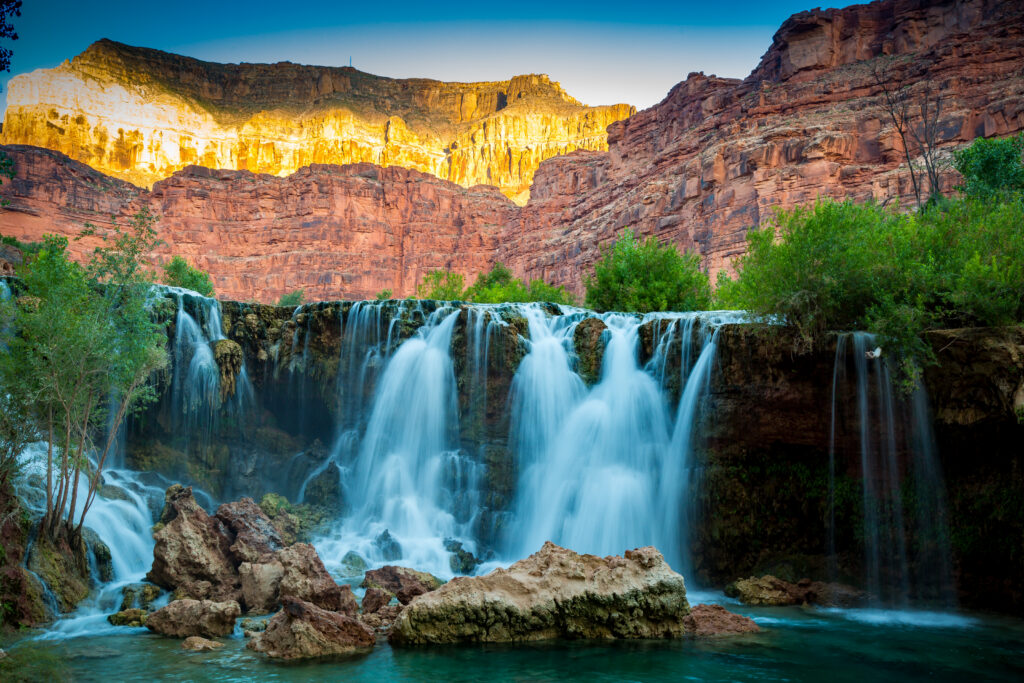
This is one of the most common Grand Canyon planning mistakes.
Havasu Falls and Grand Canyon West / Skywalk are often associated with the Grand Canyon, but they are not inside Grand Canyon National Park.
Havasu Falls is on Havasupai Tribe land and requires separate permits and lodging reservations. Grand Canyon West is on Hualapai Tribe land and has its own admission tickets and access rules. Neither is covered by a Grand Canyon National Park entrance pass.
That does not mean they are not worth visiting.
It just means they need to be planned as separate trips or separate add-ons — not quick stops inside the national park.
Planning Havasu Falls, Grand Canyon West, or a Bigger Southwest Trip?
Our premium guide includes a clear breakdown of what is actually inside Grand Canyon National Park, what is separate tribal land, what requires separate permits or tickets, and how to avoid building an unrealistic itinerary around places that are hours apart.
👉 Want more details? Check out the premium Grand Canyon guide here.
Where to Stay Near Grand Canyon National Park
Where you stay can completely change your Grand Canyon trip.
Grand Canyon Village
Best for staying inside the park at the South Rim.
Grand Canyon Village has several in-park lodging options, including El Tovar, Bright Angel Lodge & Cabins, Kachina Lodge, Thunderbird Lodge, Maswik Lodge, and Yavapai Lodge. These can book far ahead, especially for popular travel dates.
Tusayan
Best for the closest gateway-town option.
Tusayan is about 7 miles south of the South Rim entrance and has several hotels. It is convenient but can also be pricey and book up early.
Williams
Best for Route 66 and the Grand Canyon Railway.
Williams is about 60 miles from the South Rim and is a good option if you want more lodging variety or plan to take the Grand Canyon Railway.
Flagstaff
Best for more restaurants and hotel choices.
Flagstaff is farther away, but it has the widest range of services and works well for travelers combining Grand Canyon with Sedona, Route 66, or other Northern Arizona stops.
Jacob Lake or Kanab
Best for North Rim access.
If you are visiting the North Rim, Jacob Lake is the closest gateway area, while Kanab is a good option if you are pairing the North Rim with Southern Utah.
Need Help Choosing the Best Grand Canyon Base?
This blog gives you the general idea, but our Ultimate Grand Canyon National Park Guide 2026 includes lodging strategy, South Rim vs. gateway-town planning, North Rim 2026 notes, camping options, base-town comparisons, and tips for avoiding unnecessary driving.
👉 Want the full lodging breakdown? Check out our premium Grand Canyon guide here:
[Insert Grand Canyon Guide Link]
Camping at Grand Canyon
Grand Canyon has several developed campground options, but reservations matter.
The guide covers:
- Mather Campground on the South Rim
- Desert View Campground near the Desert View Watchtower
- Trailer Village for RV travelers
- North Rim Campground, with current-service cautions for 2026
- Backcountry camping, which requires a permit
Backcountry camping below the rim requires a permit, and in 2026, several popular corridor camping areas have been affected by flood-related closures.
Camping at Grand Canyon can be incredible, but this is not the place to wing it in peak season.
Book early, confirm current campground amenities, and bring extra water if conditions are uncertain.
Grand Canyon with Kids
Grand Canyon can be an amazing family destination, but you need to take the edges, heat, and below-rim hiking seriously.
With kids, we recommend focusing on:
- Rim-level viewpoints
- Short sections of the Rim Trail
- Mather Point
- Yavapai Point
- Grand Canyon Village
- Junior Ranger activities
- Shuttle-friendly viewpoints
- Short, conservative below-rim hikes only if conditions are right
The guide recommends sticking to rim-level viewpoints and the paved Rim Trail for young children because many overlooks have no railings and the drop-offs are real. It also notes that below-rim hikes with kids should turn around early.
For many families, the best Grand Canyon day is not the most ambitious day.
It is a sunrise viewpoint, a short walk, a visitor center stop, a relaxed lunch, maybe a shuttle ride to a few viewpoints, and a sunset if everyone still has energy.
Best Grand Canyon Photography Tips
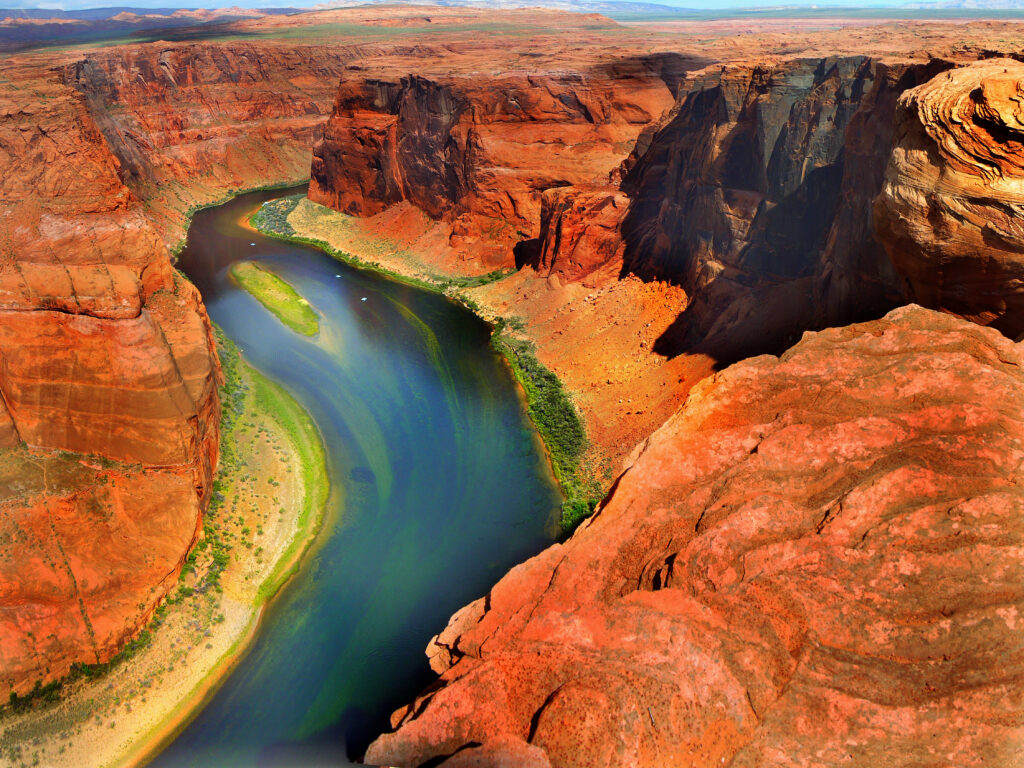
Grand Canyon is one of the most photographed places in the world, but it can be surprisingly difficult to capture because the scale is so massive.
A few of the best photo spots include:
- Mather Point
- Yavapai Point
- Hopi Point
- Desert View Watchtower
- Grand Canyon Village historic buildings
- Cape Royal, if the North Rim is open
- Rim Trail viewpoints
For the best light, plan sunrise and sunset. Midday light often makes the canyon look flatter in photos, while low-angle light brings out the depth, texture, and color.
Want Our Full Grand Canyon Photo Strategy?
Our premium guide includes viewpoint recommendations, best-light notes, sunrise and sunset planning, photography tips, family-friendly viewpoint ideas, and what to prioritize if you only have one day.
👉 Get the full Grand Canyon planning guide here.
Common Grand Canyon Mistakes to Avoid
Grand Canyon is one of those parks where small planning mistakes can make your day stressful — or even dangerous.
Avoid these common mistakes:
- Trying to hike to the river and back in one day
- Assuming Phantom Ranch is open
- Assuming the North Kaibab Trail is open
- Thinking the North Rim has full services in 2026
- Planning around overnight mule rides to Phantom Ranch
- Confusing Havasu Falls or Grand Canyon West with the national park
- Not booking lodging or campsites early
- Assuming trail water sources are reliable
- Underestimating the drive between the rims
- Forgetting the nonresident surcharge if traveling internationally
- Assuming cash works at the entrance gate
The biggest mistake of all is treating Grand Canyon like a quick photo stop when your trip would be so much better with a little planning.
What to Pack for Grand Canyon National Park
What you pack depends on the season and how much hiking you plan to do, but these are the basics we’d recommend:
- Sturdy hiking shoes or boots
- Moisture-wicking socks
- At least 1 gallon of water per person for below-rim hikes
- Electrolytes or salty snacks
- Wide-brim hat
- Sunscreen
- Sunglasses
- Layers for rim-to-canyon temperature changes
- Headlamp
- Printed or offline maps
- Valid pass or credit/debit card
- Extra supplies if visiting the North Rim in 2026
The guide emphasizes that inner-canyon temperatures can be 20–25 degrees warmer than the rim, and summer heat below the rim is a serious safety hazard.
Want the Printable Grand Canyon Packing Checklist?
Our Ultimate Grand Canyon National Park Guide 2026 includes a packing checklist, safety reminders, hiking gear notes, water planning, North Rim self-sufficiency tips, and offline-friendly planning details you can download before your trip.
👉 Download the complete Grand Canyon guide here.
How Many Days Do You Need at Grand Canyon?
You can see the Grand Canyon in a half day, but we think most visitors will enjoy it more with at least one full day.
Here’s a simple breakdown:
Half Day
Best for Mather Point, the visitor center, and a short Rim Trail walk.
One Day
Best for sunrise, the Rim Trail, one short below-rim hike, and either Hermit Road or Desert View Drive.
Two Days
Best for South Rim viewpoints, one below-rim hike, Grand Canyon Village, and Desert View Drive.
Three Days
Best for a more relaxed South Rim trip with hiking, photography, historic district time, and a better pace.
Four to Five Days
Best if you want to add the North Rim, Havasupai, or Grand Canyon West as a separate add-on — not as a rushed same-day combination.
Suggested One-Day Grand Canyon South Rim Itinerary
For a first Grand Canyon visit, we’d keep the day focused on the South Rim.
Start with sunrise at Mather Point or Yavapai Point.
Then walk part of the Rim Trail and visit the geology museum at Yavapai Point.
If conditions allow and your group is prepared, hike partway below the rim on Bright Angel Trail or South Kaibab Trail — but keep it short and turn around early.
In the afternoon, choose either Hermit Road or Desert View Drive. Trying to do both in one afternoon will make the day feel rushed.
End with sunset at Hopi Point, Desert View Watchtower, or another viewpoint that fits your route.
Planning Your Full Grand Canyon Itinerary?
This free blog gives you the starting point, but the premium guide includes sample itineraries, best trip plans by time available, one-day plans by traveler type, what to skip unless conditions change, and planning notes for families, photographers, hikers, and Southwest road-trippers.
👉 Want more details? Check out our premium Grand Canyon guide here.
Looking for the Complete Grand Canyon National Park Guide?
This free blog is designed to help you start planning, but the premium guide gives you the organized, printable version we’d want in our own hands before visiting.
Our Ultimate Grand Canyon National Park Guide 2026 includes:
- 2026 current conditions
- South Rim planning
- North Rim updates
- South Rim vs. North Rim decision help
- Best viewpoints
- Hiking guidance
- Bright Angel Trail
- South Kaibab Trail
- North Kaibab Trail closure information
- Phantom Ranch status
- Mule ride updates
- Rafting information
- Grand Canyon Railway
- Grand Canyon Village
- Desert View Watchtower
- Havasu Falls and Grand Canyon West clarification
- Lodging strategy
- Camping information
- Where to eat
- Wildlife tips
- Photography recommendations
- Accessibility notes
- Pet guidance
- Family tips
- Common mistakes
- Crowd strategy
- What to book ahead
- What to pack
- Sample itineraries
- Budget planning
- Safety tips
- FAQ
- Quick-reference checklist
👉 Want more details? Check out our premium Grand Canyon guide here.
Grand Canyon National Park FAQ
Is the South Rim or North Rim better for first-time visitors?
For most first-time visitors, the South Rim is the better choice because it is open year-round and has the most lodging, dining, visitor centers, shuttles, viewpoints, and family-friendly logistics.
Is the North Rim open in 2026?
Yes, the North Rim reopened for day use in 2026, but services are limited, there is no overnight lodging in the developed area, and visitors should confirm current conditions before going. The North Kaibab Trail is currently closed following the August 2026 flash flood.
Can you stay at Phantom Ranch in 2026?
Not currently. As of the guide’s most recent research, Phantom Ranch cabins, the Canteen, Bright Angel Campground, Black Bridge, and Silver Bridge are closed following the August 2026 flash flood, with no estimated reopening date.
Can you take an overnight mule ride to Phantom Ranch?
No, not currently. Overnight mule rides to Phantom Ranch are cancelled through February 28, 2027. Rim-level or day mule ride options may be available, but visitors should confirm current status before booking.
Are Havasu Falls and Grand Canyon West part of Grand Canyon National Park?
No. Havasu Falls and Grand Canyon West are on separate tribal lands with their own fees, permits, access rules, and reservation systems. They are not covered by a Grand Canyon National Park entrance pass.
Do you need a permit to hike below the rim?
You do not need a permit for day hiking, but you do need a backcountry permit for any overnight stay below the rim or outside developed campgrounds. In 2026, some popular corridor camping areas are closed due to flood impacts.
How long does it take to drive between the South Rim and North Rim?
It takes about 4–5 hours to drive between the South Rim and North Rim because there is no road directly across the canyon inside the park.
What is the biggest Grand Canyon safety mistake?
The biggest mistake is attempting to hike from the rim to the river and back in one day. The return climb, heat, and elevation change make this dangerous for most visitors.
Final Thoughts: Planning a Grand Canyon National Park Trip
Grand Canyon is one of those places that truly lives up to the hype.
But the best Grand Canyon trip is not just about showing up at the rim. It is about choosing the right rim, knowing what is open, understanding the distances, respecting the heat, planning your hikes conservatively, booking lodging early, and giving yourself enough time to experience the canyon at sunrise, sunset, and everywhere in between.
In 2026, planning matters even more because several classic inner-canyon experiences are affected by closures, North Rim services are limited, and conditions can change quickly.
Start with the South Rim if it is your first visit. Keep hikes realistic. Don’t underestimate the drive between the rims. Check official conditions before you go. And give yourself time to slow down and actually take in the scale of the canyon.
Ready to plan your Grand Canyon trip with confidence?
👉 Get our complete Ultimate Grand Canyon National Park Guide 2026 here.
✨ Keep Adventuring, Keep Exploring, and we’ll see you on the next Adventure! ✨
— Heather & Jesse
Adventure Family Vlog