

The Ultimate Salt Lake City Travel Guide: Best Things to Do, Where to Stay & Local Tips
Most visitors make one of two mistakes with Salt Lake City.
They treat it like an airport they fly into before heading straight to Utah’s national parks.
Or they spend one afternoon downtown and assume they’ve seen it.
Both miss the point.
Salt Lake City is one of the rare places in the U.S. where you can explore a world-class museum in the morning, hike or ski in the Wasatch Mountains that afternoon, watch the sunset over the Great Salt Lake, and still be back downtown for dinner.
And as Utah locals, this is an area we know extremely well.
We know which places are actually worth your time, which attractions visitors often miss, where we’d take visiting family, which canyon we’d choose, and where people lose hours sitting in traffic because they didn’t plan ahead.
In this Salt Lake City travel guide, we’re covering the best things to do, where to stay, what to eat, which canyon and ski resort to choose, how to visit the Great Salt Lake and Antelope Island, the best day trips, and realistic itineraries for one to five days.
Some links in this article are affiliate links. If you book through them, we may earn a commission at no additional cost to you. That never changes what we recommend.
Salt Lake City at a Glance
| Planning Question | Our Recommendation |
|---|---|
| Best for | Outdoor lovers, skiers, families, museum fans and road-trippers |
| Ideal trip length | 3 days for a first visit; 5 days if you want day trips |
| Best season | Late June–early October for hiking; January–March for skiing |
| Airport | Salt Lake City International Airport (SLC) |
| Airport to downtown | About 6 miles; roughly 15–20 minutes by car |
| Best area for first-timers | Downtown |
| Best area for families | Downtown, Cottonwood Heights or Sandy |
| Best area for restaurants/nightlife | Downtown, 9th & 9th and Granary District |
| Best museum | Natural History Museum of Utah |
| Best free attraction | Temple Square or Clark Planetarium |
| Best family attraction | Natural History Museum of Utah or Hogle Zoo |
| Best mountain drive | Big Cottonwood Canyon |
| Best canyon | Big Cottonwood for variety; Little Cottonwood for drama |
| Best summer experience | Albion Basin wildflowers or Snowbird tram |
| Best winter experience | Skiing the Cottonwoods |
| Best sunset | Antelope Island or Ensign Peak |
| Best day trip | Antelope Island, Park City or Heber Valley |
| Biggest mistake | Underestimating canyon traffic and parking |
| Do you need a car? | Not downtown. Yes for mountains and day trips |
Is Salt Lake City Worth Visiting?
Yes.
Especially if you like outdoor adventure.
Salt Lake combines hiking, skiing, mountain scenery, museums, Utah history, family attractions, food, the Great Salt Lake and some of the easiest mountain access of any major city in the country.
If nightlife and shopping are your only priorities, you can probably see downtown in a day or two.
But give Salt Lake three days and a rental car?
It becomes a completely different destination.
How Many Days Do You Need in Salt Lake City?
One Day
Focus on downtown and one major Salt Lake experience.
Think Temple Square, the Utah State Capitol, Natural History Museum and sunset at Ensign Peak.
Two Days
Spend one day in the city and one in the mountains.
In summer, head into one of the Cottonwood canyons.
In winter, ski.
Three Days
This is our favorite amount of time for first-time visitors.
Do:
- one city day
- one mountain day
- one Great Salt Lake/Antelope Island day
Four to Five Days
Add a day trip to:
- Park City
- Heber Valley
- Ogden
- Timpanogos Cave
- Alpine Loop
- Bonneville Salt Flats
One Week
Use Salt Lake as a base and explore even farther.
You can add Mirror Lake Highway, Bear Lake or multiple Wasatch Front destinations.
Getting to Salt Lake City
Salt Lake City International Airport is one of the easiest big-city airports in the West.
It’s only about six miles from downtown.
TRAX connects the airport with downtown, rideshare is easy, and rental cars are available at the airport.
If you’re staying downtown and mostly exploring the city, you may not need a car at all.
If you want mountains, skiing, Antelope Island or day trips, rent one.
Do You Need a Car in Salt Lake City?
You Probably Don’t Need One If:
You’re staying downtown and focusing on:
- Temple Square
- City Creek
- downtown restaurants
- Delta Center
- TRAX-accessible attractions
- conferences
You Probably Do Need One If:
You want:
- Big Cottonwood Canyon
- Little Cottonwood Canyon
- Antelope Island
- Park City
- Midway
- Heber
- hiking
- skiing
- Utah road trips
Downtown parking is generally manageable.
The places where parking gets frustrating are mountain trailheads in summer and ski resorts during winter weekends and powder days.
Understanding Salt Lake City’s Neighborhoods
Salt Lake’s street grid radiates from Temple Square, and different neighborhoods work better for different types of trips.
| Area | Best For | What It’s Like |
|---|---|---|
| Downtown | First-time visitors | Walkable, hotels, dining, attractions |
| Central City | Local restaurants | Historic homes and neighborhood feel |
| The Avenues | Historic character | Hilly streets near Memory Grove |
| Capitol Hill | Views | Quiet, residential, close to Capitol |
| Sugar House | Families/longer stays | Restaurants, shops and parks |
| 9th & 9th | Couples/food | Small walkable local district |
| University/Foothill | Museums/outdoors | NHMU, Red Butte, foothill access |
| Granary District | Breweries/nightlife | Murals, food halls and breweries |
| Millcreek | Outdoor access | Close to Millcreek Canyon |
| Holladay | Quiet residential | Good mountain access |
| Cottonwood Heights | Ski/hike trips | Best canyon access |
| Sandy/Draper | Families/value | Suburban, practical, car-dependent |
For most first-time visitors, we’d stay downtown.
If the trip is mostly about skiing or hiking, we’d look at Cottonwood Heights or Sandy.
Best Things to Do in Salt Lake City
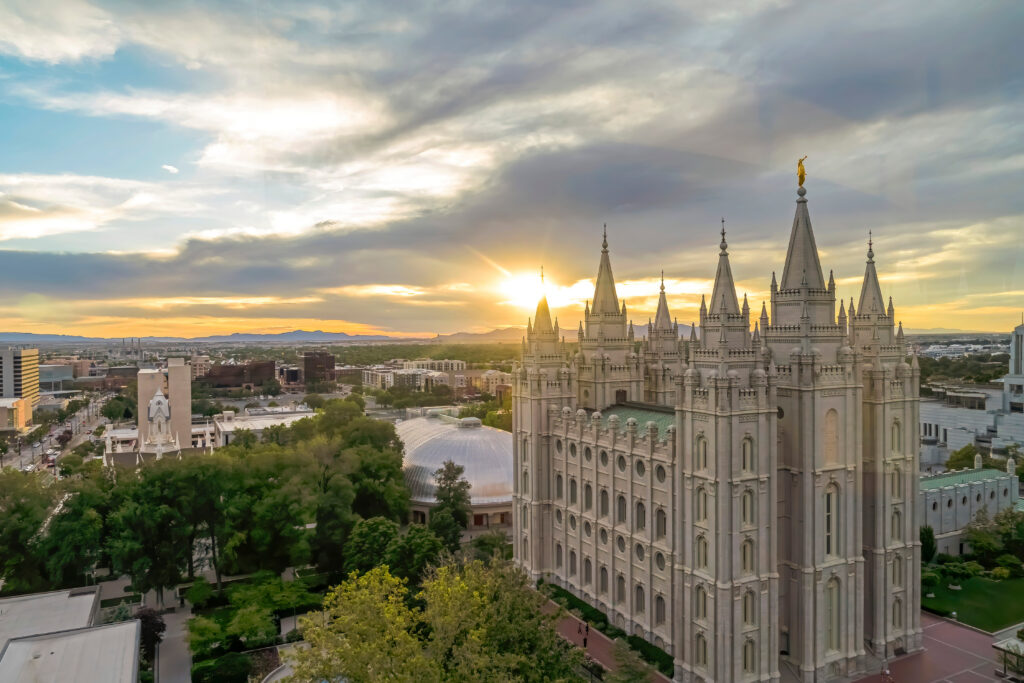
These are the attractions we’d actually prioritize.
Temple Square
Temple Square is the historic heart of Salt Lake City.
Whether you’re religious or not, it plays a major role in the city’s history and layout.
The new Temple Square Visitors’ Center opened in May 2026.
General admission is free and does not require a reservation.
There is also an optional “Inside a Temple” replica-room experience that does require a free reservation.
What Else Is Around Temple Square?
You can also visit:
- the Tabernacle
- Assembly Hall
- Conference Center
- FamilySearch Library
- Church History Museum
- gardens throughout the square
The Salt Lake Temple itself remains closed during renovation.
It is scheduled to open for public tours during its 2027 open house.
Our Take
Plan about one to two hours.
It’s free, central and easy to combine with the Capitol or City Creek Center.
Utah State Capitol
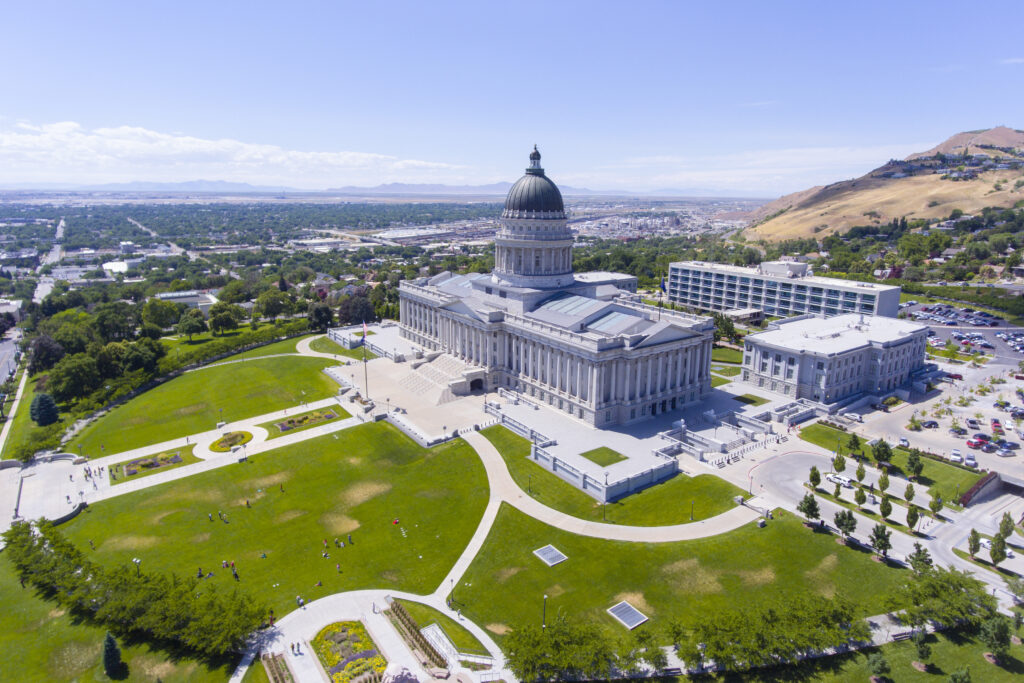
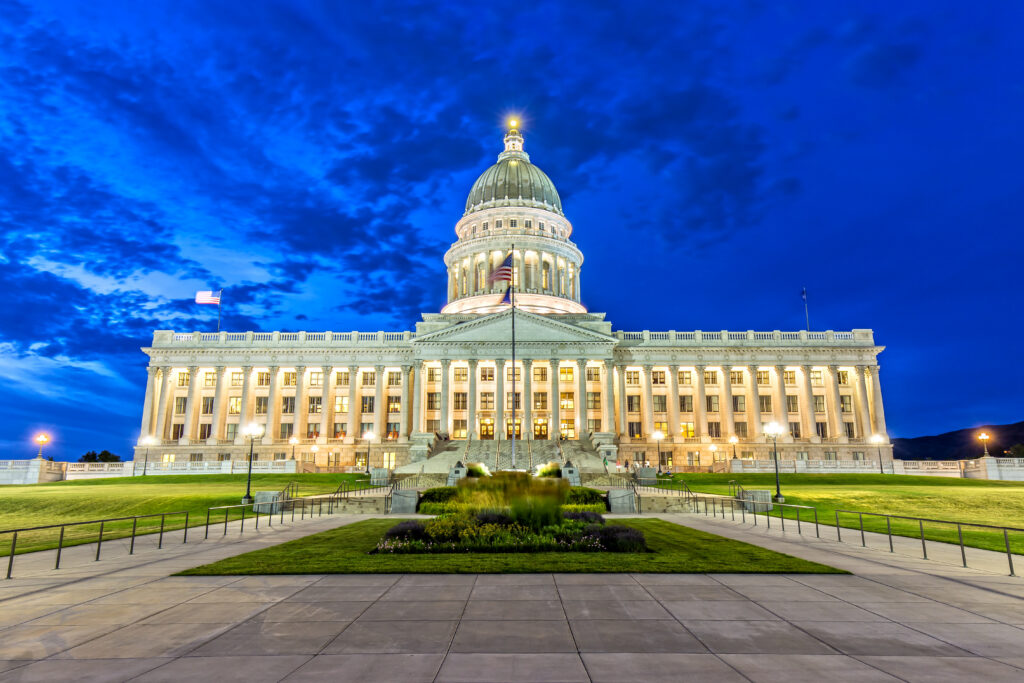
The Capitol is one of our favorite easy stops.
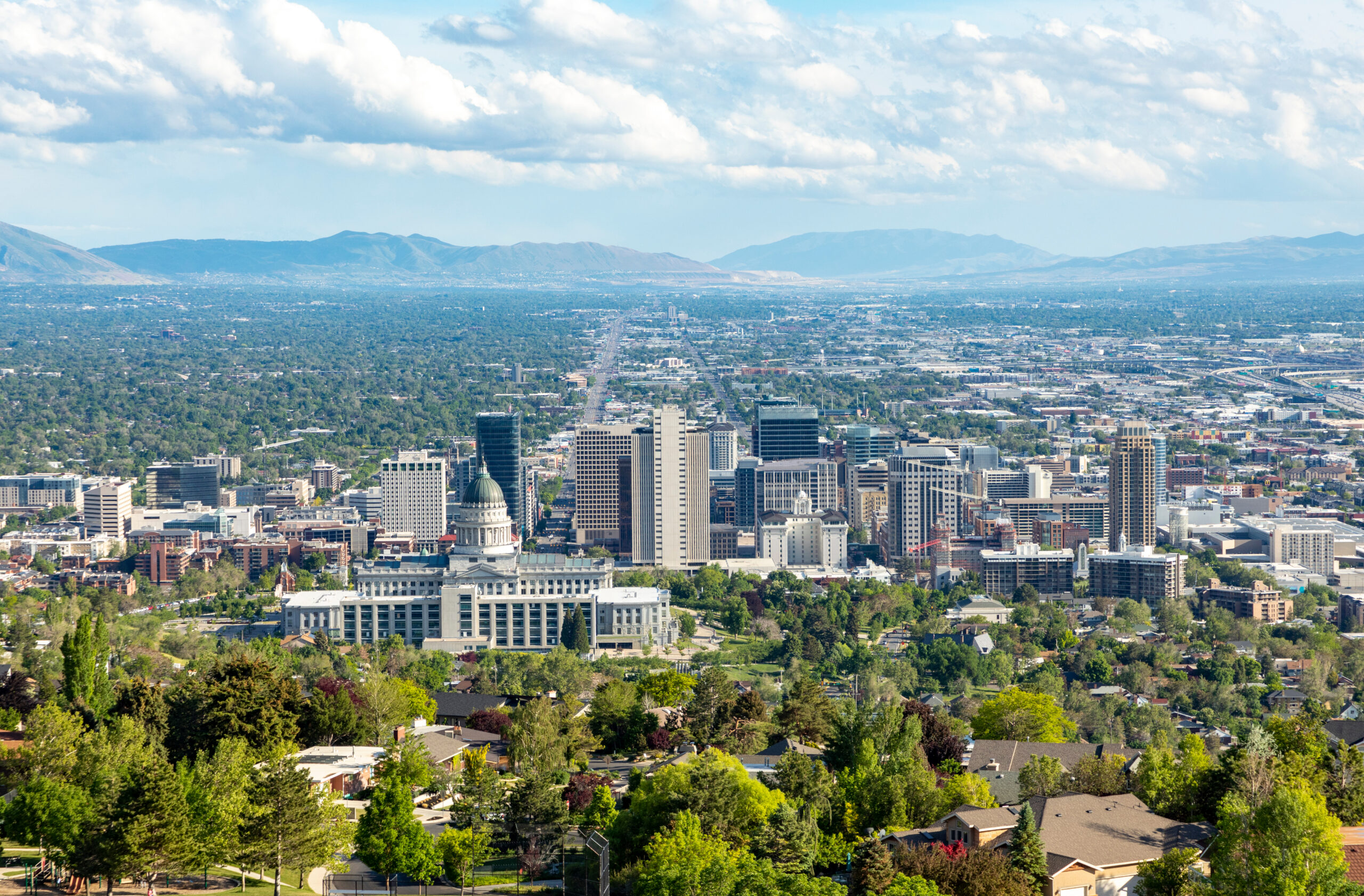
It sits above downtown with views across the valley toward the Wasatch Mountains.
The building is free to visit, and the interior is beautiful.
In spring, the cherry blossoms around the Capitol grounds make this one of the most photographed spots in the city.
Our Take
Pair it with:
- Memory Grove
- Ensign Peak
- Temple Square
Memory Grove and City Creek Canyon
Memory Grove sits directly below the Capitol and is one of Salt Lake’s prettiest urban parks.
There’s a creek, memorials, shaded walking paths and easy access toward City Creek Canyon.
City Creek is currently affected by a major water-treatment construction project, so normal road access has changed.
During construction, private vehicles are prohibited, and pedestrian/bicycle access is restricted farther up the canyon.
Check current Salt Lake City Public Utilities information before planning around it.
Ensign Peak
Ensign Peak is one of the easiest ways to get a huge view over the entire Salt Lake Valley.
It’s short.
It’s steep.
And it’s fantastic at sunset.
The trail starts in a residential neighborhood above the Capitol, so park respectfully and don’t block driveways.
Our Take
Do this at sunset and head downtown for dinner afterward.
Bring a light for the walk down.
Natural History Museum of Utah
If we could recommend only one paid attraction in Salt Lake City, this would probably be it.
The museum covers:
- dinosaurs
- Utah geology
- Native cultures
- ancient environments
- wildlife
- Utah landscapes
The building itself is worth seeing too.
It’s built into the foothills above the city with huge views across the valley.
Our Take
Allow two to three hours.
Pair it with Red Butte Garden next door.
Red Butte Garden
Red Butte is Utah’s major botanical garden.
Spring through fall is the best time to visit.
It also hosts outdoor summer concerts.
This is an especially nice combination with the Natural History Museum because they’re right next to each other.
This Is The Place Heritage Park
This Is The Place is a living-history park at the mouth of Emigration Canyon.
It’s especially good with elementary-age kids.
Expect historic buildings, demonstrations and seasonal events.
Utah’s Hogle Zoo
Hogle Zoo sits right across from This Is The Place.
It’s an easy family day, especially with younger kids.
ZooLights is also one of Salt Lake’s popular holiday traditions.
Tracy Aviary and Liberty Park
Tracy Aviary sits inside Liberty Park.
It’s smaller than a traditional zoo and focused entirely on birds.
Liberty Park itself is free and includes:
- walking paths
- playgrounds
- ponds
- open lawns
It’s one of the best relaxed family stops in the city.
Clark Planetarium
Clark Planetarium is one of our favorite free attractions.
The exhibit floors are free.
You only pay if you want a dome or IMAX show.
It’s also right next to Discovery Gateway at The Gateway.
Discovery Gateway Children’s Museum
If you have younger kids, Discovery Gateway is one of the better indoor choices.
It has interactive exhibits and is especially good for kids around age 10 and under.
Utah Museum of Fine Arts
The Utah Museum of Fine Arts sits on the University of Utah campus.
This is a good option for:
- hot summer afternoons
- snowy winter days
- art lovers
- visitors already exploring the University/Foothill area
Gilgal Sculpture Garden
This is one of Salt Lake’s weirdest hidden gems.
And we mean that as a compliment.
Gilgal is a tiny sculpture garden tucked behind homes near downtown, filled with unusual stone sculptures and inscriptions.
It’s free.
Other Salt Lake City Stops Worth Seeing
Also consider:
- Salt Lake City Public Library
- Cathedral of the Madeleine
- International Peace Gardens
- Pioneer Memorial Museum
- Church History Museum
- Utah Olympic legacy sites
Best Free Things to Do in Salt Lake City
Some of our favorite free options include:
- Temple Square
- Tabernacle performances
- Utah State Capitol
- Memory Grove
- Ensign Peak
- Clark Planetarium exhibit floors
- Gilgal Sculpture Garden
- Liberty Park
- Salt Lake City Public Library
- Cathedral of the Madeleine
- International Peace Gardens
- Granary District murals
- scenic canyon drives
Best Things to Do in Salt Lake City With Kids
If we were ranking the top family attractions, we’d start with:
- Natural History Museum of Utah
- Hogle Zoo
- Clark Planetarium
- Antelope Island
- Tracy Aviary
- Discovery Gateway
- This Is The Place
- Loveland Living Planet Aquarium
- Snowbird summer activities
- Skiing or tubing in winter
Best for Toddlers
- Discovery Gateway
- Tracy Aviary
- Hogle Zoo
- Liberty Park
- Clark Planetarium
Best for Elementary-Age Kids
- Natural History Museum
- This Is The Place
- Aquarium
- Antelope Island
- Silver Lake
- Donut Falls
Best for Tweens and Teens
- Snowbird tram
- Utah Olympic Park
- Jazz or Mammoth game
- Lake Blanche for strong hikers
- skiing
Outdoor Things to Do in Salt Lake City
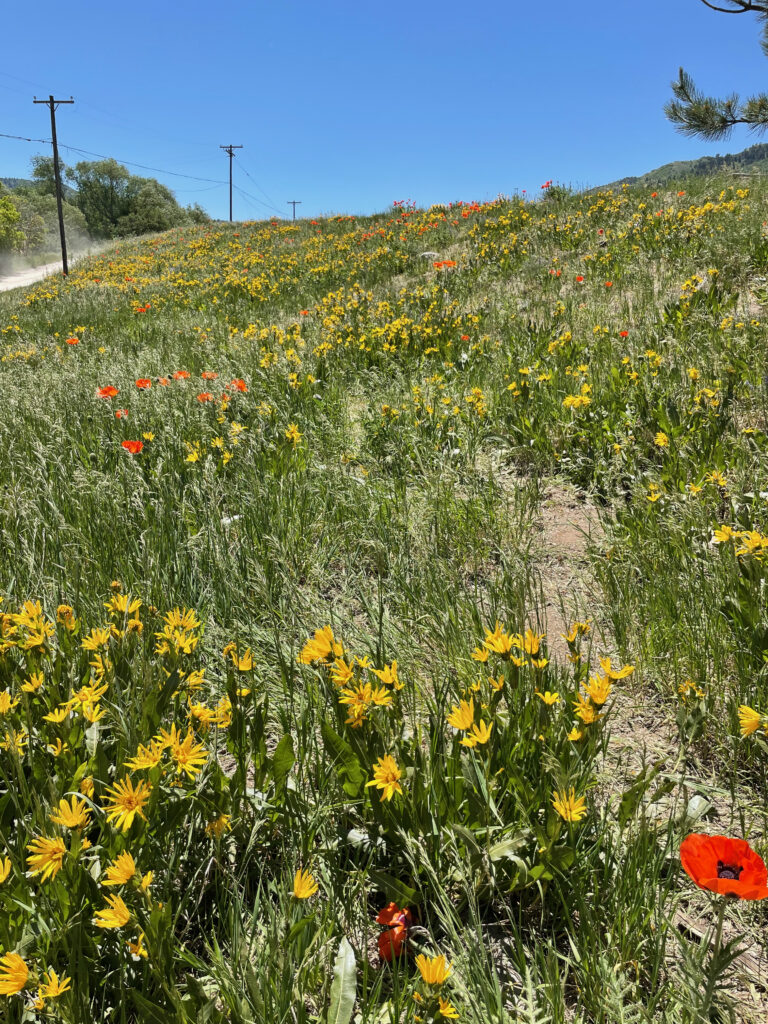
This is where Salt Lake really separates itself from most cities.
The Wasatch Mountains sit right on the edge of the valley.
Within less than an hour, you can be at:
- alpine lakes
- waterfalls
- hiking trails
- ski resorts
- wildflower meadows
- scenic mountain passes
Big Cottonwood Canyon
Big Cottonwood is our favorite canyon for overall variety.
At the top are:
- Brighton
- Solitude
In summer, you’ll find lakes, waterfalls and hiking.
In fall, it becomes one of the best color drives in Utah.
Easy Options
Silver Lake
An easy boardwalk loop near Brighton.
Donut Falls
A popular family hike to a waterfall that flows through a hole in the rock.
Do not climb the wet rocks at the base of the falls.
They’re dangerously slippery.
Harder Hike
Lake Blanche
One of the prettiest alpine lake hikes near Salt Lake.
It’s also steep.
Don’t underestimate it.
Guardsman Pass
In summer and fall, continue over the mountain toward Park City or Midway.
The road closes in winter.
Little Cottonwood Canyon
Little Cottonwood is narrower, steeper and more dramatic.
This canyon is home to:
- Alta
- Snowbird
Albion Basin and Cecret Lake
If you’re here during peak wildflower season, this is one of our favorite summer areas in the entire Wasatch.
Wildflowers typically peak from mid-July into August.
Snowbird Aerial Tram
The tram climbs to Hidden Peak at around 11,000 feet.
You get enormous views without hiking to the summit yourself.
Oktoberfest
Snowbird’s Oktoberfest runs seasonally on weekends in late summer and fall.
Check Snowbird for current dates.
Big Cottonwood vs. Little Cottonwood Canyon
| Category | Big Cottonwood | Little Cottonwood |
|---|---|---|
| Scenic drive | More varied | More dramatic |
| Easy hikes | Silver Lake, Donut Falls | Cecret Lake, Albion Basin |
| Hard hikes | Lake Blanche | Red Pine/White Pine |
| Ski resorts | Brighton, Solitude | Alta, Snowbird |
| Snowboarding | Yes | Snowbird only |
| Families | Very good | Good |
| Fall colors | Excellent | Very good |
| Wildflowers | Good | Excellent |
| Resort dining | Limited | Snowbird has more |
| Winter traffic | Heavy | Can be extremely heavy |
Our Recommendation
For a first summer trip, choose Big Cottonwood.
For wildflowers, choose Little Cottonwood.
For fall colors, choose Big Cottonwood.
For skiing, it depends entirely on what kind of skier or snowboarder you are.
Millcreek Canyon
Millcreek feels much more local than the Cottonwoods.
It’s also the canyon we’d recommend for visitors traveling with dogs.
Normally, Millcreek offers:
- hiking
- picnic areas
- dog-friendly trails
- biking
- winter recreation
However, upper Millcreek has been affected by a major road-rebuild project.
Check current access before visiting.
Dog Rules
Dogs are generally:
- off leash on trails on odd-numbered days
- leashed on even-numbered days
- always leashed in developed areas
Emigration Canyon
Emigration Canyon is closest to the University area.
You’ll pass:
- Hogle Zoo
- This Is The Place
- Ruth’s Diner
Continue toward Little Mountain for views back toward Salt Lake.
Best Hikes Near Salt Lake City
| Hike | Approx. Distance | Difficulty | Best For |
|---|---|---|---|
| Ensign Peak | Under 2 mi | Easy/short steep | Sunset |
| Living Room | ~2.5 mi | Moderate | City views |
| Donut Falls | 1.5–3+ mi depending access | Easy | Families |
| Silver Lake | ~1 mi | Easy | Everyone |
| Cecret Lake | 1.5–2 mi | Easy–moderate | Wildflowers |
| Bells Canyon Falls | 4–5 mi | Moderate–hard | Strong hikers |
| Lake Blanche | 6–7 mi | Hard | Alpine scenery |
| Grandeur Peak | ~6 mi | Hard | Workout/views |
| Mount Olympus | 6.5–7 mi | Very hard | Experienced hikers |
| Bonneville Shoreline | Variable | Easy–moderate | Short hikes |
| Neff’s Canyon | Variable | Moderate–hard | Local option |
Best Easy Hikes
For families:
- Donut Falls
- Silver Lake
- Cecret Lake
- Ensign Peak
For older travelers:
- Silver Lake
- Memory Grove
- lower Bonneville Shoreline Trail
Great Salt Lake
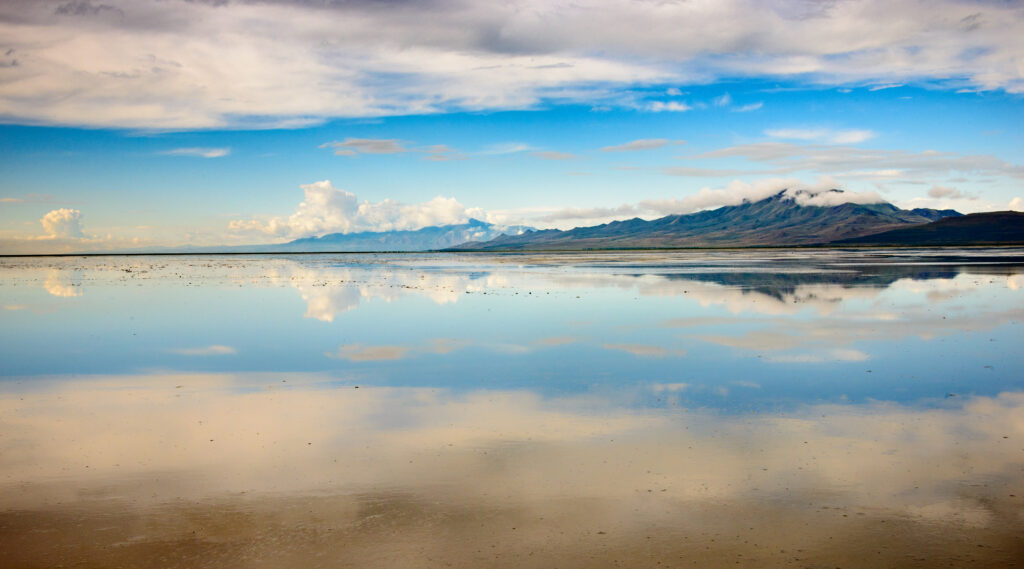
The Great Salt Lake is one of the most misunderstood attractions in Utah.
It’s the largest saltwater lake in the Western Hemisphere and one of the most important bird habitats in North America.
Why Is It So Salty?
The lake has no outlet.
Water evaporates, leaving salt and minerals behind.
Can You Swim?
Yes.
But we wouldn’t make swimming the main reason to visit.
Depending on lake level and location, reaching the water can require a long walk across mudflats.
The water can sting cuts and eyes.
And the bugs can be intense in certain seasons.
What We Think the Great Salt Lake Is Best For
- sunsets
- wildlife
- photography
- seeing something completely unique
Antelope Island State Park
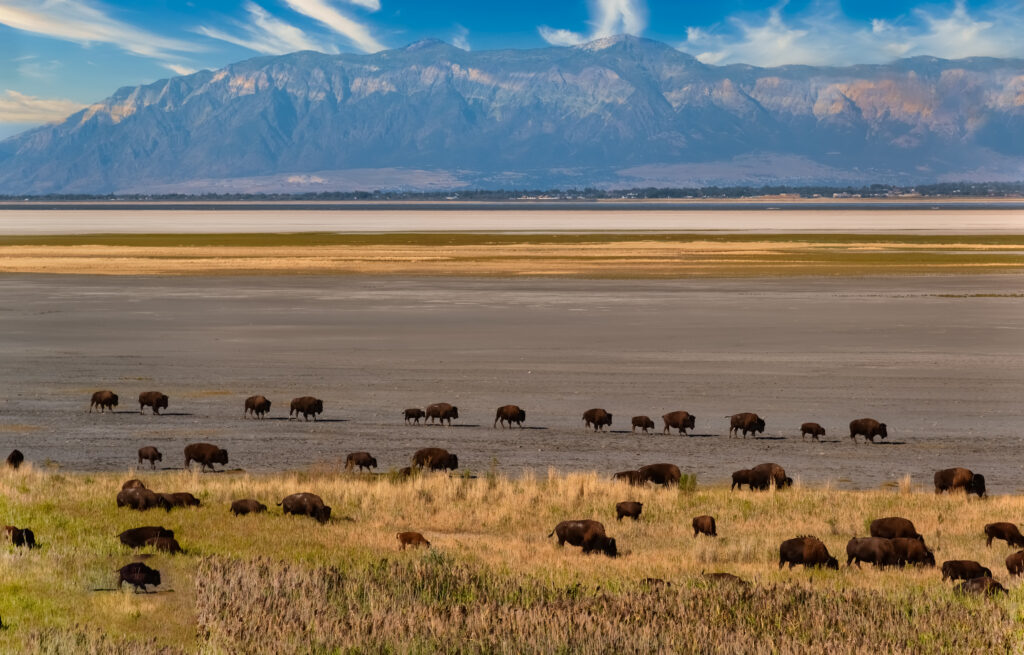
If you only choose one Great Salt Lake experience, make it Antelope Island.
This is one of the places we regularly recommend to visiting friends and family.
Why?
You get:
- bison
- pronghorn
- birds
- huge lake views
- beaches
- hiking
- sunsets
The park is roughly 45 minutes to an hour from downtown.
Best Things to Do on Antelope Island
Buffalo Point
Short hike with huge sunset views.
Bridger Bay
The main beach area.
Fielding Garr Ranch
Historic ranch and one of the better areas for wildlife sightings.
Frary Peak
A strenuous hike to the island’s highest point.
Bison Safety
Never approach a bison.
If it stops what it’s doing and starts watching you, you’re already too close.
Use the park’s “rule of thumb”: hold your arm straight out and cover the bison with your thumb.
If your thumb can’t cover it, create more distance.
When Should You Visit?
Spring and fall are our favorite seasons.
Summer is hot and exposed.
Winter can be beautiful and incredibly quiet.
Bugs
Biting gnats are worst during portions of spring.
Mosquitoes show up more in summer.
Brine flies and midges can look overwhelming along the shore, but they don’t bite.
In late October, Antelope Island also hosts its annual bison roundup.
Read our Antelope Island Bison Roundup Guide if you want to experience it.
Great Saltair
Great Saltair sits west of the airport along I-80.
Today it’s primarily a concert venue.
Is It Worth a Special Trip?
Not really.
If you’re already driving west, stop.
Otherwise, Antelope Island gives you a much better Great Salt Lake experience.
Best Great Salt Lake Sunset Spots
Our picks:
- Antelope Island
- Great Saltair if you’re short on time
- Ensign Peak for a distant lake-and-city view
Skiing Near Salt Lake City
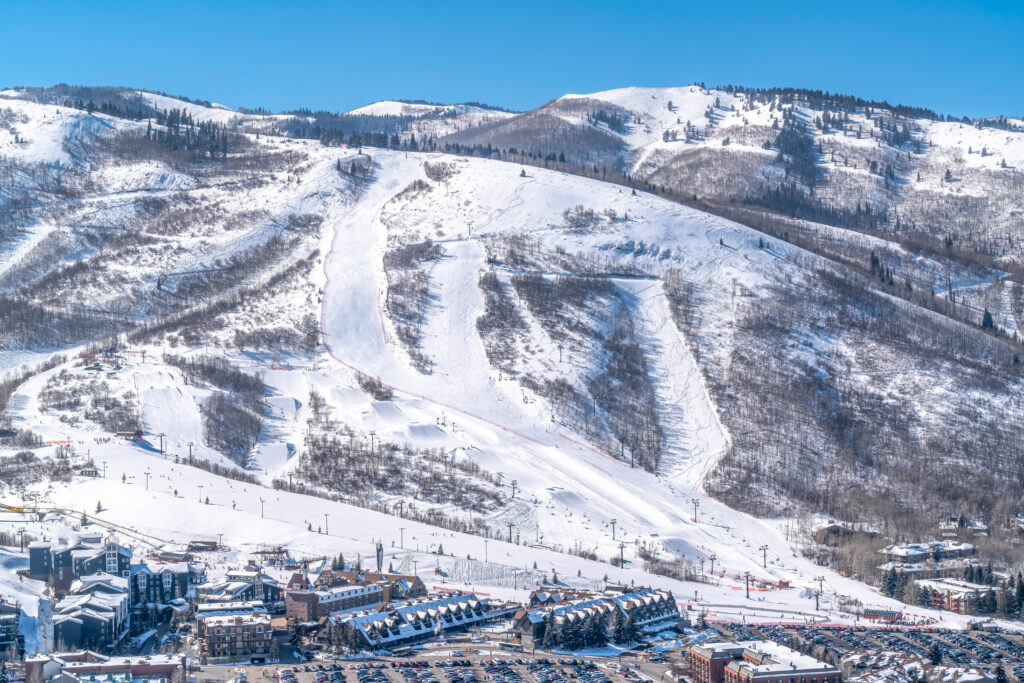
This is one of Salt Lake’s biggest advantages.
You can stay downtown, ski all day and come back to city restaurants that night.
The four main Cottonwood ski resorts are:
- Alta
- Snowbird
- Brighton
- Solitude
Alta
Alta is skiers only.
No snowboards.
It’s known for:
- powder
- steep terrain
- old-school ski culture
- excellent snow
Snowbird
Snowbird is the biggest, steepest-feeling resort in the Cottonwoods.
It’s particularly good for advanced skiers and snowboarders.
You’ll also find the Aerial Tram and the most lodging/dining of the canyon resorts.
Brighton
Brighton is one of the most family-friendly choices.
It’s known for:
- night skiing
- snowboarding
- terrain parks
- beginner terrain
- laid-back local feel
Solitude
Solitude is quieter than Brighton and Snowbird.
It works well for:
- families
- intermediates
- visitors wanting fewer crowds
Alta vs. Snowbird vs. Brighton vs. Solitude
| Resort | Best For | Snowboarding? | Beginner Friendly? |
|---|---|---|---|
| Alta | Powder skiers | No | Good |
| Snowbird | Experts | Yes | Limited |
| Brighton | Families/riders | Yes | Excellent |
| Solitude | Families/intermediates | Yes | Good |
Park City vs. Salt Lake Skiing
The Cottonwoods generally offer the bigger snow totals and easier access from Salt Lake.
Park City gives you:
- Historic Main Street
- restaurants
- nightlife
- extensive lodging
- ski-town atmosphere
If you want skiing plus a mountain-town vacation, stay in Park City.
If you want a city base and easy access to deep snow, stay in Salt Lake.
Read our Park City in Winter Guide for more.
Ski Bus, Traction Law and Winter Driving
Winter canyon traffic deserves its own section because it can completely change your day.
UTA Ski Bus
UTA runs seasonal ski-bus service to the Cottonwood resorts.
Schedules and fares change by season, so always check current information before your trip.
The “Red Snake”
Locals call the line of taillights heading up the canyon on a powder morning the red snake.
On busy mornings, canyon traffic can add an hour—or more.
Go early.
Take the bus.
Or ski midweek.
Utah Traction Law
Big and Little Cottonwood canyons have strict winter traction requirements when the law is activated.
Rental-car travelers should make sure the vehicle actually meets the current tire requirements.
Do not assume an SUV automatically qualifies.
AWD helps you accelerate.
It does not magically help you stop on ice.
Salt Lake City in Winter
Winter is about much more than skiing.
You can also:
- skate at Gallivan Center
- visit holiday lights
- attend Jazz or Mammoth games
- snowshoe
- sled
- hike the lower foothills
- explore museums
Salt Lake also gets winter inversions.
On inversion days, the valley can become hazy while the mountains are sunny above the pollution.
Check current air quality before planning strenuous outdoor activities in the valley.
Salt Lake City in Summer
Summer means:
- hiking
- mountain biking
- Snowbird tram
- alpine lakes
- wildflowers
- farmers markets
- concerts
- festivals
July and August can get hot in the valley.
Our strategy is simple:
Explore the city early.
Head into the mountains in the afternoon.
Salt Lake City in Fall
Fall might be our favorite season in Northern Utah.
Big Cottonwood, Guardsman Pass, Millcreek and Little Cottonwood explode with color.
The timing changes every year, but the higher elevations usually peak before the valley.
Salt Lake City in Spring
Spring is unpredictable.
You can have:
- cherry blossoms downtown
- warm foothill hikes
- snowstorms in the mountains
- muddy trails
- high runoff
It’s a great season if you’re flexible.
Best Scenic Drives Near Salt Lake City
| Drive | Best Season | Time Needed |
|---|---|---|
| Big Cottonwood Canyon | Year-round | 2–4 hrs |
| Little Cottonwood Canyon | Year-round | 2–4 hrs |
| Guardsman Pass | Summer/fall | 1–3 hrs |
| Emigration Canyon | Year-round | 1–2 hrs |
| East Canyon | Spring–fall | 2–3 hrs |
| Alpine Loop | Summer/fall | Half day |
| Mirror Lake Highway | Summer | Full day |
Best Views and Sunset Spots
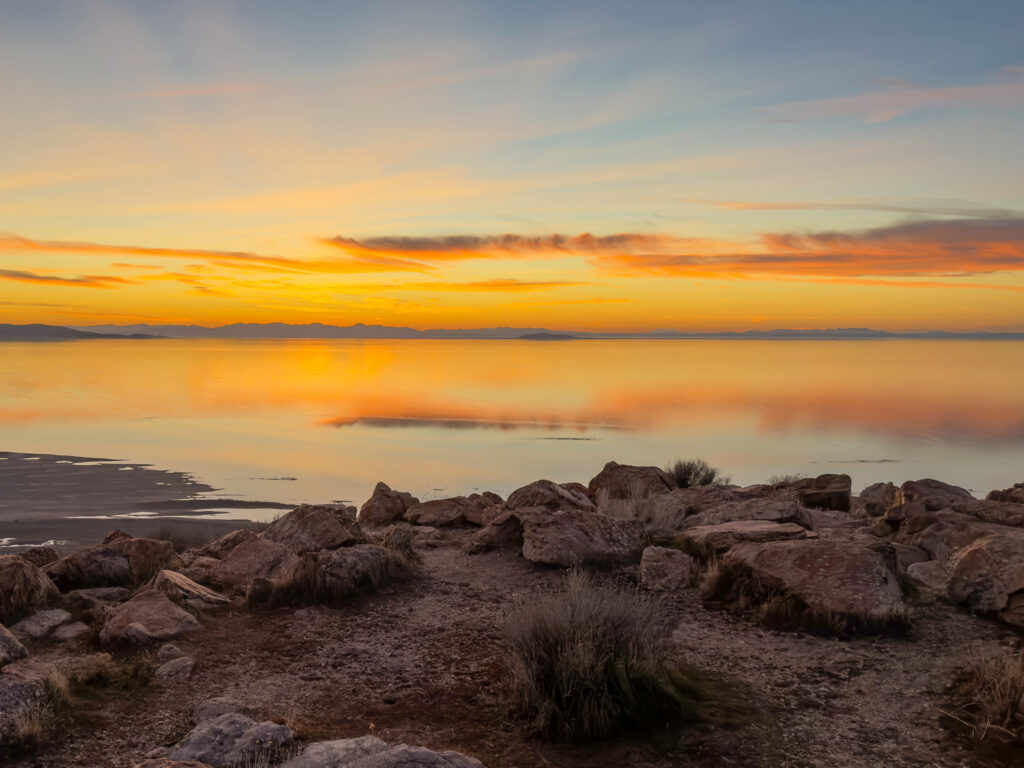
Our favorites:
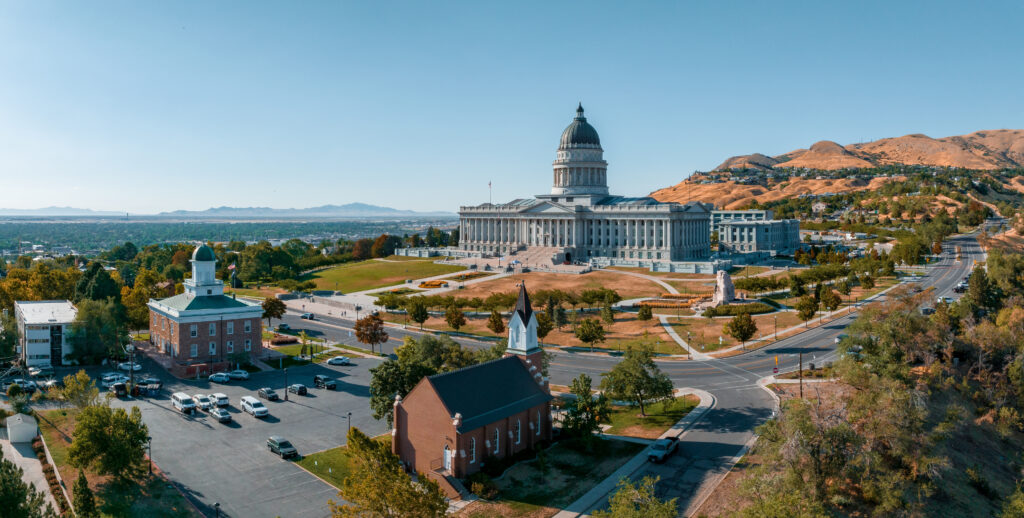
- Utah State Capitol
- Ensign Peak
- Bonneville Shoreline Trail
- Antelope Island
- Little Mountain
- Snowbird Hidden Peak
Food: What to Eat in Salt Lake City
Utah food has more personality than people expect.
Foods Utah Is Known For
Try:
- fry sauce
- funeral potatoes
- pastrami burgers
- Utah-style scones
- dirty soda
Local Salt Lake Restaurants We’d Recommend
Red Iguana
Known for its moles.
It’s one of Salt Lake’s most famous restaurants for a reason.
Crown Burgers
Get the pastrami burger.
And fry sauce.
Ruth’s Diner
An Emigration Canyon institution known for huge biscuits.
Pretty Bird
Local hot chicken favorite.
Takashi
One of Salt Lake’s best-known sushi restaurants.
Feldman’s Deli
Big East Coast-style sandwiches.
Gourmandise
Pastries and desserts.
Caputo’s Market & Deli
Italian market, sandwiches and specialty foods.
The Pie Pizzeria
A longtime University-area pizza institution.
Hires Big H
Classic burgers, root beer and fry sauce.
Siegfried’s Delicatessen
German deli near downtown.
Utah Liquor Laws: What Visitors Actually Need to Know
Yes, you can drink in Utah.
Bars serve alcohol.
Restaurants serve alcohol with food.
Grocery stores can sell beer up to 5% ABV.
Wine, liquor and stronger beer are sold through state liquor stores.
And Utah’s DUI limit is 0.05%.
That’s really the part visitors need to know.
Dirty Soda
Dirty soda became a Utah phenomenon long before it spread nationwide.
It’s basically fountain soda mixed with:
- flavored syrups
- cream
- coconut cream
- fruit
Swig and Fiiz are two of the biggest local chains.
If you’ve never tried one, this is the place.
Nightlife
Salt Lake nightlife is concentrated around:
- downtown
- Main Street
- Granary District
- Sugar House
You’ll find:
- cocktail bars
- breweries
- concert venues
- comedy
- arena events
- late-night food
Sports
Salt Lake has become a legitimately good sports city.
You can see:
- Utah Jazz
- Utah Mammoth
- Real Salt Lake
- Utah Royals
- University of Utah football, basketball and gymnastics
Arts and Culture
Major options include:
- Utah Symphony
- Ballet West
- Eccles Theater
- Capitol Theatre
- Pioneer Theatre Company
- Utah Museum of Fine Arts
Best Shopping
City Creek Center
Best major shopping area for visitors.
9th & 9th
Our favorite small local shopping area.
Sugar House
Mix of local and national shops.
Trolley Square
Cool historic building; less essential for shopping itself.
Where to Stay in Salt Lake City
| Area | Best For |
|---|---|
| Downtown | First-time visitors |
| 9th & 9th | Couples/food |
| Sugar House | Families |
| University/Foothill | Museums/outdoors |
| Cottonwood Heights | Skiing/hiking |
| Sandy | Value and ski access |
| Airport | Early flights only |
Best Area for First-Time Visitors
Downtown.
Best Area for Skiers
Cottonwood Heights or Sandy.
Best Area for Families
Downtown for sightseeing.
Cottonwood Heights or Sandy for a mountain-focused trip.
Best Area Without a Car
Downtown.
You can compare Salt Lake hotels and vacation rentals on Expedia or Booking.com.
Best Day Trips From Salt Lake City
Salt Lake is an excellent base.
But not every “day trip” is equally practical.
| Day Trip | Drive | Best For |
|---|---|---|
| Antelope Island | 45–60 min | Wildlife/sunset |
| Park City | 35–45 min | Mountain town/skiing |
| Deer Valley | 40–50 min | Skiing |
| Midway/Heber | ~1 hr | Small towns/family |
| Snowbird/Alta | 40–60 min | Mountains/skiing |
| Big Cottonwood | 30–45 min | Hiking/scenic drive |
| Ogden | 40–60 min | Historic downtown/Snowbasin |
| Provo/Sundance | 45–75 min | Mountains/falls |
| Thanksgiving Point | ~30 min | Families |
| Lagoon | 20–30 min | Kids/teens |
| Timpanogos Cave | 45–60 min | Hiking/caves |
| Alpine Loop | ~1 hr | Scenic driving |
| Golden Spike | 1.5–2 hrs | History |
| Mirror Lake Highway | 1.5–2 hrs | Uintas |
| Bonneville Salt Flats | ~2 hrs | Photography |
| Bear Lake | 2–2.5 hrs | Better overnight |
| Spiral Jetty | ~2.5 hrs | Art/history |
Park City Day Trip
Park City is probably the easiest major day trip.
Walk Main Street.
Visit Utah Olympic Park.
Ski in winter.
Hike or bike in summer.
Park City is also extremely easy to pair with Salt Lake because it’s connected via I-80.
Midway and Heber
Midway and Heber feel completely different from Salt Lake.
Consider:
- Heber Valley Railroad
- Wasatch Mountain State Park
- Soldier Hollow
- Midway
- Homestead Crater when operating
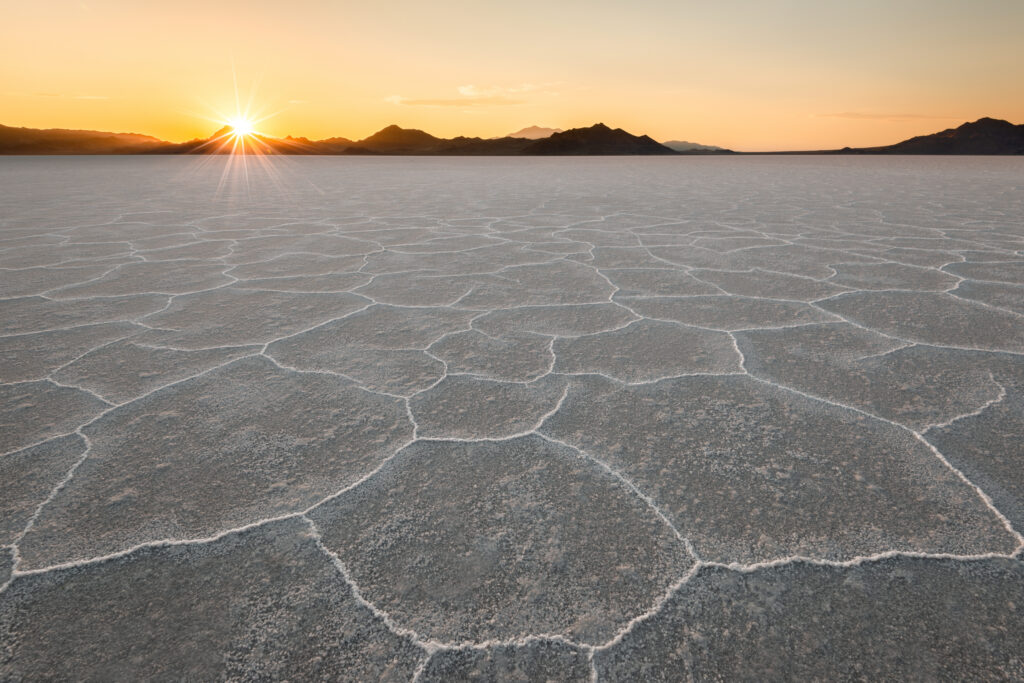
Bonneville Salt Flats
The Salt Flats are about two hours west.
Our Take
Go if:
- photography is a priority
- you’re continuing toward Nevada
- you’ve always wanted to see them
We would not make them the first choice for a short Salt Lake trip.
And never drive onto wet salt.
Timpanogos Cave and Alpine Loop
One of the best summer day trips.
Timpanogos Cave requires a steep hike plus a guided cave tour.
Tickets can sell out.
Combine it with the Alpine Loop and Sundance.
Golden Spike National Historical Park
If you love trains or U.S. history, this is worth the drive.
This is where the transcontinental railroad was completed in 1869.
Lagoon Amusement Park
Lagoon is Utah’s major amusement park, about 20–30 minutes north of downtown in Farmington.
It’s a great option if you have kids or teens and a longer Salt Lake stay.
On a short first trip?
We’d prioritize the mountains, lake and city instead.
Spiral Jetty
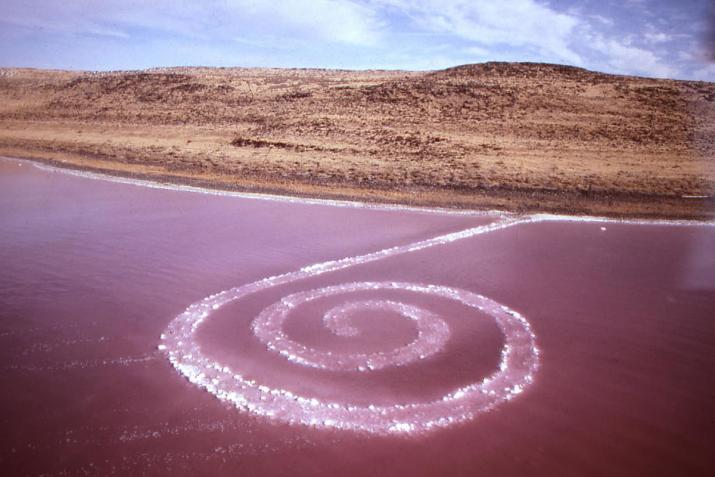
Robert Smithson’s famous earthwork sits on the remote northern Great Salt Lake.
This is a very specific day trip.
Go if you love art or unusual landscapes.
Don’t go expecting a normal tourist attraction.
National Parks From Salt Lake City
Salt Lake is a great jumping-off point for Utah’s national parks.
But none of them are true day trips.
Approximate drive times:
- Arches: 3.5–4 hours
- Canyonlands: ~4 hours
- Capitol Reef: ~3.5 hours
- Bryce Canyon: ~4 hours
- Zion: ~4.5 hours
For a larger route, see our Ultimate Southwest Road Trip Itinerary, Zion National Park Guide, and Capitol Reef Visitor Guide.
Salt Lake City With Kids: Sample Day
Morning: Natural History Museum
Lunch: Crown Burgers or Pretty Bird
Afternoon: Hogle Zoo or Tracy Aviary
Late afternoon: Clark Planetarium
Evening: Downtown dinner and Temple Square
1-Day Salt Lake City Itinerary
Morning
Temple Square and Utah State Capitol.
Lunch
Red Iguana or downtown.
Afternoon
Natural History Museum of Utah.
Sunset
Ensign Peak.
Dinner
Downtown.
If you’re ahead of schedule, add Memory Grove.
Don’t race to fit it in.
2-Day Salt Lake City Itinerary
Day 1
Follow the one-day city itinerary.
Day 2
Choose:
- Big Cottonwood Canyon
- Little Cottonwood Canyon
- Antelope Island
- ski day in winter
3-Day Salt Lake City Itinerary
This is our recommended first-timer plan.
Day 1: City
Temple Square, Capitol, Natural History Museum and Ensign Peak.
Day 2: Mountains
Big Cottonwood, Little Cottonwood or skiing depending on season.
Day 3: Great Salt Lake
Antelope Island, wildlife and sunset.
5-Day Salt Lake City Itinerary
Day 1: Downtown and museums
Day 2: Big or Little Cottonwood Canyon
Day 3: Antelope Island
Day 4: Park City
Day 5: Choose Heber/Midway, Ogden or Alpine Loop/Timpanogos Cave
Places We’d Take Visiting Family
If friends or family came to Salt Lake for the first time, these would be near the top of our list:
- Natural History Museum
- Antelope Island at sunset
- Albion Basin in wildflower season
- Big Cottonwood Canyon in fall
- Ensign Peak
- Temple Square during the holidays
- Red Iguana
- Snowbird tram
- Brighton or Solitude in winter
- Park City Main Street
Things Tourists Often Miss
Some of our favorite overlooked places:
- Gilgal Sculpture Garden
- Memory Grove
- City Creek Canyon
- 9th & 9th
- Living Room Trail
- International Peace Gardens
- Granary District
- seasonal wildflowers
- fall color drives
What We’d Skip If You Only Have One Day
Again, these aren’t bad places.
They just aren’t our priorities on a short visit.
We’d skip:
- long shopping stops
- Great Saltair as a destination by itself
- Bonneville Salt Flats
- trying to combine Antelope Island and a canyon
- making Great Salt Lake swimming the focus
Best Photography Spots
Our favorites include:
- Utah State Capitol
- Ensign Peak
- Antelope Island
- Little Cottonwood granite walls
- Big Cottonwood fall color
- Albion Basin wildflowers
- snowy Cottonwood resorts
- Temple Square lights
Weather
Salt Lake has four real seasons.
Summer is hot and dry.
Winter is cold and snowy.
Spring and fall change quickly.
The mountains can easily be 15–25 degrees cooler than downtown.
Air Quality and Inversions
Winter inversions can trap pollution in the valley.
If air quality is poor:
- check current conditions
- choose indoor attractions
- head higher into the mountains when conditions are better there
Wildfire smoke can also affect summer air quality.
Altitude
Downtown sits around 4,200–4,300 feet.
The ski resorts are much higher.
Hidden Peak at Snowbird is around 11,000 feet.
Drink water.
Use sunscreen.
And if you’re coming from sea level, give yourself a little time to adjust.
What to Pack
Winter
Bring:
- warm layers
- waterproof shell
- gloves
- hat
- boots
- sunglasses
- sunscreen
- traction devices for icy hikes
Summer
Bring:
- sun protection
- water
- light hiking layers
- a jacket for the mountains
- bug protection for Antelope Island
Spring/Fall
Bring layers.
You may get warm sun in the valley and cold mountain weather on the same day.
Getting Around
TRAX connects:
- airport
- downtown
- University
- portions of the south valley
UTA buses fill in other routes.
Rideshare works well in the city.
For canyons and day trips, a car is much easier.
Salt Lake’s Grid Explained
Salt Lake’s address system actually becomes easy once you understand it.
Temple Square is the center.
Street numbers increase as you travel away from downtown.
So:
500 South is roughly five blocks south.
900 East is roughly nine blocks east.
One warning:
Salt Lake blocks are huge.
A place that looks “only four blocks away” can still be a real walk.
Parking
Downtown parking is generally manageable.
Trailheads and ski resorts are where planning matters.
Winter parking rules in the Cottonwoods change by location and season.
Check:
- Park BCC
- Brighton
- Solitude
- Alta
- Snowbird
before heading up.
Safety
The biggest Salt Lake travel risks are usually environmental.
Be aware of:
- heat
- altitude
- lightning
- winter driving
- avalanche terrain
- wildlife
- slick rock
- Great Salt Lake mud
- canyon traffic
If you go into avalanche terrain in winter, you need proper education, equipment and current avalanche information.
Accessibility
Some of the best lower-effort attractions include:
- downtown
- Natural History Museum
- Red Butte Garden
- Antelope Island scenic drive
- Snowbird tram
- Silver Lake boardwalk
Always check the attraction itself for current accessibility information.
Traveling With Dogs
This is extremely important in Salt Lake.
Big and Little Cottonwood Canyons
Dogs are prohibited because these canyons protect Salt Lake’s drinking-water watershed.
That includes dogs inside vehicles.
Millcreek Canyon
Much more dog-friendly.
Follow the canyon’s odd/even leash rules.
City Creek Canyon
Dogs may be allowed on leash in lower portions, but not in the protected watershed farther up.
Antelope Island
Dogs must stay leashed.
Salt Lake City FAQ
Is Salt Lake City worth visiting?
Yes, especially if you like outdoor adventure, skiing, hiking or family travel.
How many days do you need?
Three days is ideal for a first visit.
Five gives you room for day trips.
Do you need a car?
Not for downtown.
Yes for mountains, Antelope Island and most day trips.
Is Salt Lake City walkable?
Downtown is.
The blocks are just much longer than they appear.
What is Salt Lake City known for?
The Wasatch Mountains, skiing, Great Salt Lake, Temple Square and the 2002 Winter Olympics.
What are the best things to do?
Our top picks:
- Natural History Museum
- Temple Square
- State Capitol
- Ensign Peak
- Cottonwood canyons
- Antelope Island
Is Temple Square worth visiting?
Yes.
It’s free, central and historically important.
What are the best things to do with kids?
Natural History Museum, Hogle Zoo, Tracy Aviary, Clark Planetarium, Discovery Gateway and Antelope Island.
What can you do for free?
Temple Square, Capitol, Ensign Peak, Memory Grove, Gilgal, Clark Planetarium exhibits and city parks.
What’s the best canyon?
Big Cottonwood for variety.
Little Cottonwood for dramatic scenery and wildflowers.
How far are the ski resorts?
Usually around 40 minutes to an hour in normal conditions.
Much longer during powder traffic.
Is Alta ski-only?
Yes.
Alta does not allow snowboarding.
Which resorts allow snowboards?
Snowbird, Brighton and Solitude.
Is the Great Salt Lake worth seeing?
Yes.
Go to Antelope Island.
Is Antelope Island worth visiting?
Absolutely.
Especially for wildlife and sunset.
What’s the best day trip?
Antelope Island for nature.
Park City for a mountain town.
Heber/Midway for small-town scenery.
What’s the best month to visit?
September is fantastic for mild weather and fall color.
February is great for skiing.
Is summer too hot?
The valley gets hot.
The mountains are much cooler and very close.
Where should you stay?
Downtown for a first trip.
Cottonwood Heights or Sandy for skiing.
What food should you try?
Try:
- fry sauce
- pastrami burger
- Utah scone
- dirty soda
- Red Iguana mole
Can you drink alcohol in Utah?
Yes.
Utah liquor laws are stricter than some states, but bars and restaurants absolutely serve alcohol.
Are Utah’s national parks close to Salt Lake City?
Not really.
The closest are still several hours away.
But Salt Lake is one of the best starting points for a Utah national parks road trip.
Plan Your Salt Lake City Trip
Salt Lake rewards visitors who give it more than a quick stop between the airport and Utah’s national parks.
Spend three days here.
Explore downtown.
Drive into the mountains.
See the Great Salt Lake.
And you’ll understand why we think Salt Lake is one of the most underrated outdoor cities in the West.
Book your stay through our Expedia Travel Shop or Booking.com, and browse tours and activities through our Viator shop.
Keep Adventuring, Keep Exploring…
Heather & Jesse
Adventure Family Vlog