

Planning a West Coast national parks road trip sounds simple enough at first.
Fly into Los Angeles. Drive north. Visit some national parks. Finish in Seattle.
Then you start actually planning it.
Suddenly you’re trying to figure out which Pinnacles entrance to use, whether Yosemite lodging is already sold out, when Lassen’s roads open, whether Fern Canyon needs a reservation, how long it really takes to get from Crater Lake to Mount Rainier, whether Paradise and Sunrise can realistically fit into one day, and how on earth Olympic National Park is supposed to work when everything is hours apart.
That’s why this is one of our favorite road trips in the country — but also one of the easiest to underestimate.
A well-planned route can take you from the desert landscapes of Joshua Tree to giant sequoias, Yosemite’s granite cliffs, Northern California’s ancient redwoods, Crater Lake’s impossibly blue water, and finally the glacier-covered mountains and rainforests of Washington.
And you can connect 11 national parks across California, Oregon, and Washington in one incredible one-way trip from Los Angeles to Seattle. Pacific West Road Trip 11 Natio…
In this guide, we’re going to give you the framework we’d use to plan it: the route, how long you need, what each park adds to the trip, the biggest mistakes to avoid, and the decisions that matter most.
But if you want the full 24- and 28-day itineraries, exact road-trip legs, custom maps, lodging recommendations, park mini-guides, reservations, hiking details, dining, family tips, packing lists, budget planning, and printable checklists, that’s all inside our premium Ultimate Pacific West Road Trip Guide 2026. Pacific West Road Trip 11 Natio…
Want us to plan the hard part for you?
Our 87-page Ultimate Pacific West Road Trip Guide takes you step-by-step from Los Angeles to Seattle through all 11 national parks, with complete 24- and 28-day itineraries, custom maps, realistic drive times, lodging strategy, hikes, reservations, dining, family planning, and more.
👉 [GET THE COMPLETE PACIFIC WEST ROAD TRIP GUIDE]
The Best West Coast National Parks Road Trip Route
If we were planning this trip from scratch, this is the order we’d use:
Los Angeles → Joshua Tree → Sequoia → Kings Canyon → Pinnacles → Yosemite → Lassen Volcanic → Redwood → Crater Lake → Mount Rainier → North Cascades → Olympic → Seattle
The 11 national parks are:
- Joshua Tree National Park
- Sequoia National Park
- Kings Canyon National Park
- Pinnacles National Park
- Yosemite National Park
- Lassen Volcanic National Park
- Redwood National and State Parks
- Crater Lake National Park
- Mount Rainier National Park
- North Cascades National Park
- Olympic National Park
This order is deliberate.
One of the biggest mistakes with a road trip this large is simply looking at a map and connecting dots without considering park entrances, mountain roads, seasonal closures, and where your next destination actually sits.
For example, Pinnacles fits naturally between Sequoia/Kings Canyon and Yosemite, while Lassen → Redwood → Crater Lake creates a much cleaner northern California/Oregon progression than bouncing back and forth across the state. Pacific West Road Trip 11 Natio…
That routing decision alone can save you hours of unnecessary driving.
How Long Do You Need for This Road Trip?
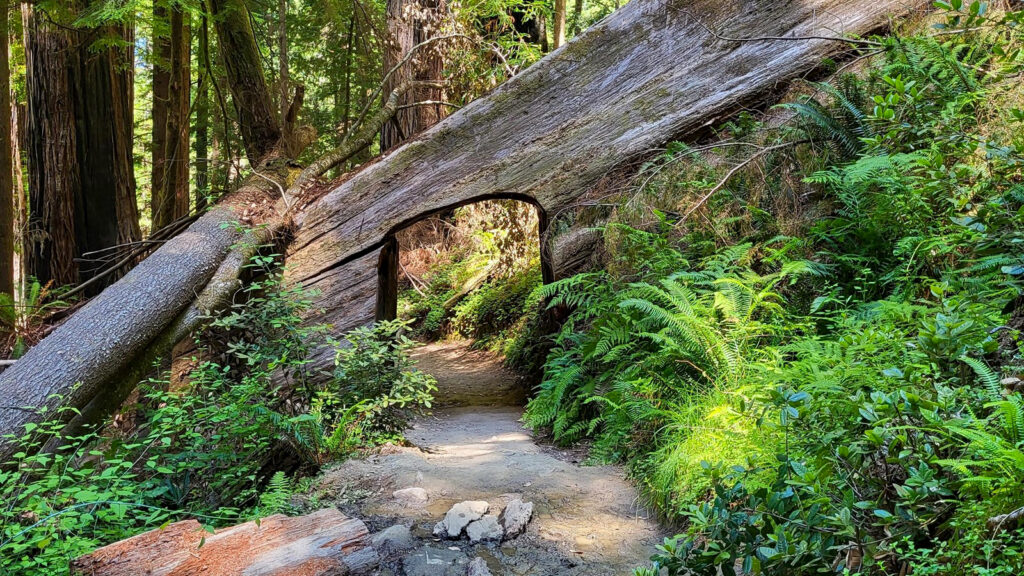
We would not try to rush this trip.
Our primary version is 24 days, while the more comfortable option is 28 days. Pacific West Road Trip 11 Natio…
Could you technically do it faster?
Probably.
Would we recommend it?
Not really.
You’re covering roughly 2,400–2,600 miles of core driving before adding all of your in-park driving. Pacific West Road Trip 11 Natio…
And some of these national parks are huge.
Olympic alone can involve hours of driving between Hurricane Ridge, Lake Crescent, Hoh Rain Forest, and the coast.
Mount Rainier’s Paradise and Sunrise areas are not next door to each other.
North Cascades can mean completely different days depending on whether you’re driving Highway 20 or hiking Cascade Pass.
This trip works best when you stop treating driving days as wasted days and start building them into the itinerary intentionally.
Our recommendation
If this is your first time attempting the full route:
24 days: ambitious, but realistic with good planning.
28 days: better if you’re traveling with kids, want more hiking, prefer slower mornings, or simply don’t enjoy feeling rushed.
When Is the Best Time to Do a West Coast National Parks Road Trip?
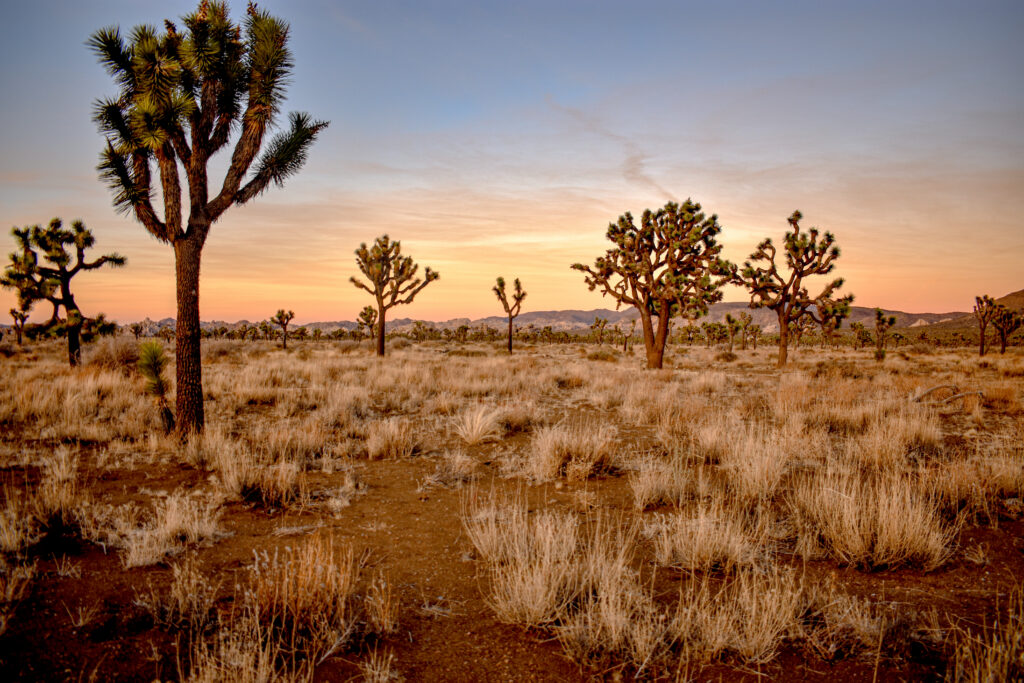
This is where things get complicated.
There is no perfect month for all 11 parks.
Joshua Tree wants cooler weather.
Mount Rainier, North Cascades, Lassen, Crater Lake, and other high-elevation areas generally need warmer weather for full road and trail access.
That creates the central planning problem of the entire trip. Pacific West Road Trip 11 Natio…
Late spring
May through June can be a great balance.
You may get:
- More comfortable desert temperatures
- Strong Yosemite waterfalls
- Spring wildflowers
- Fewer peak-summer crowds
But some high-elevation roads and trails can still be snow-covered or closed.
Mid-summer
July and August offer your best odds for full mountain access.
But Joshua Tree can be brutally hot, and wildfire smoke becomes a much bigger concern across the West.
Early fall
September can be fantastic.
Mountain roads are typically still accessible, crowds begin to ease, and Joshua Tree starts cooling down.
But early winter weather can arrive surprisingly quickly in the Cascades.
We personally like the idea of late spring or early fall, but your ideal dates depend heavily on which parks matter most to you.
Planning around 11 parks is where this trip gets tricky.
Our premium guide includes the full seasonal strategy, 2026 road-access considerations, current-condition planning, reservation timelines, and backup plans for weather and closures.
👉 [GET THE FULL 2026 ROAD TRIP GUIDE]
The 11 National Parks on This Route
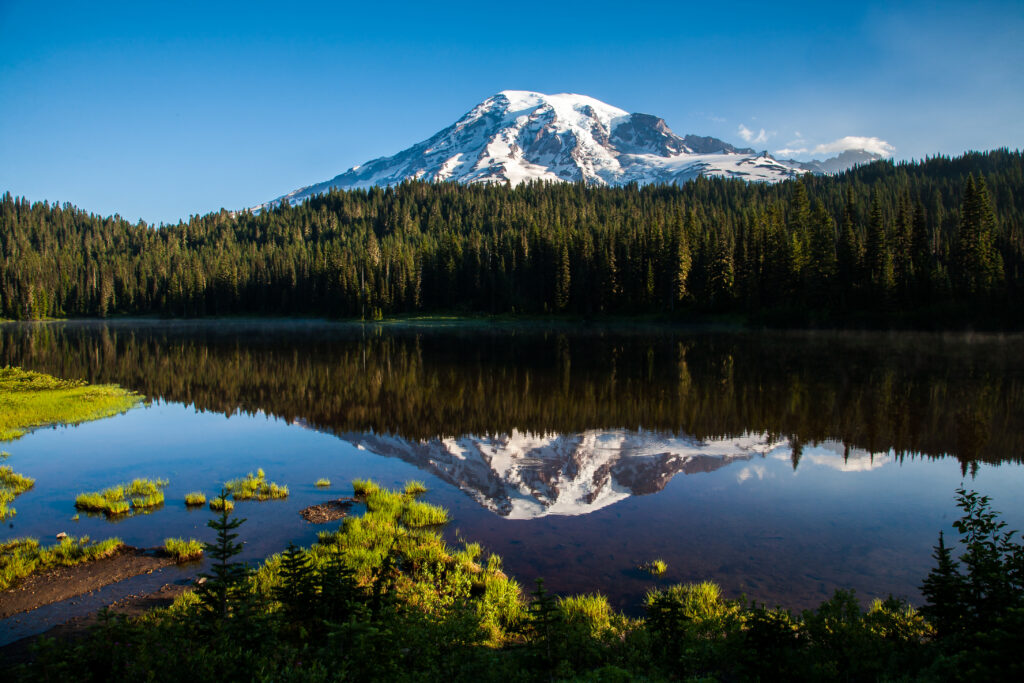
1. Joshua Tree National Park
Joshua Tree gives you one of the most dramatic starts possible.
You’ll find giant boulder formations, Joshua trees, desert overlooks, hidden valleys, and some incredible night skies.
A few places we’d put high on the list:
- Hidden Valley
- Keys View
- Barker Dam
- Cholla Cactus Garden
- Ryan Mountain
The biggest issue here is timing.
If you’re doing this road trip during summer, you need to take the heat seriously. Many of the trails are completely exposed, and there’s no gas available inside the park. Pacific West Road Trip 11 Natio…
Don’t make this mistake: arriving at noon in July and deciding that’s when you’ll start your big hike.
2. Sequoia National Park
This is where the scale of the trip changes completely.
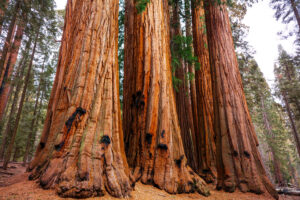
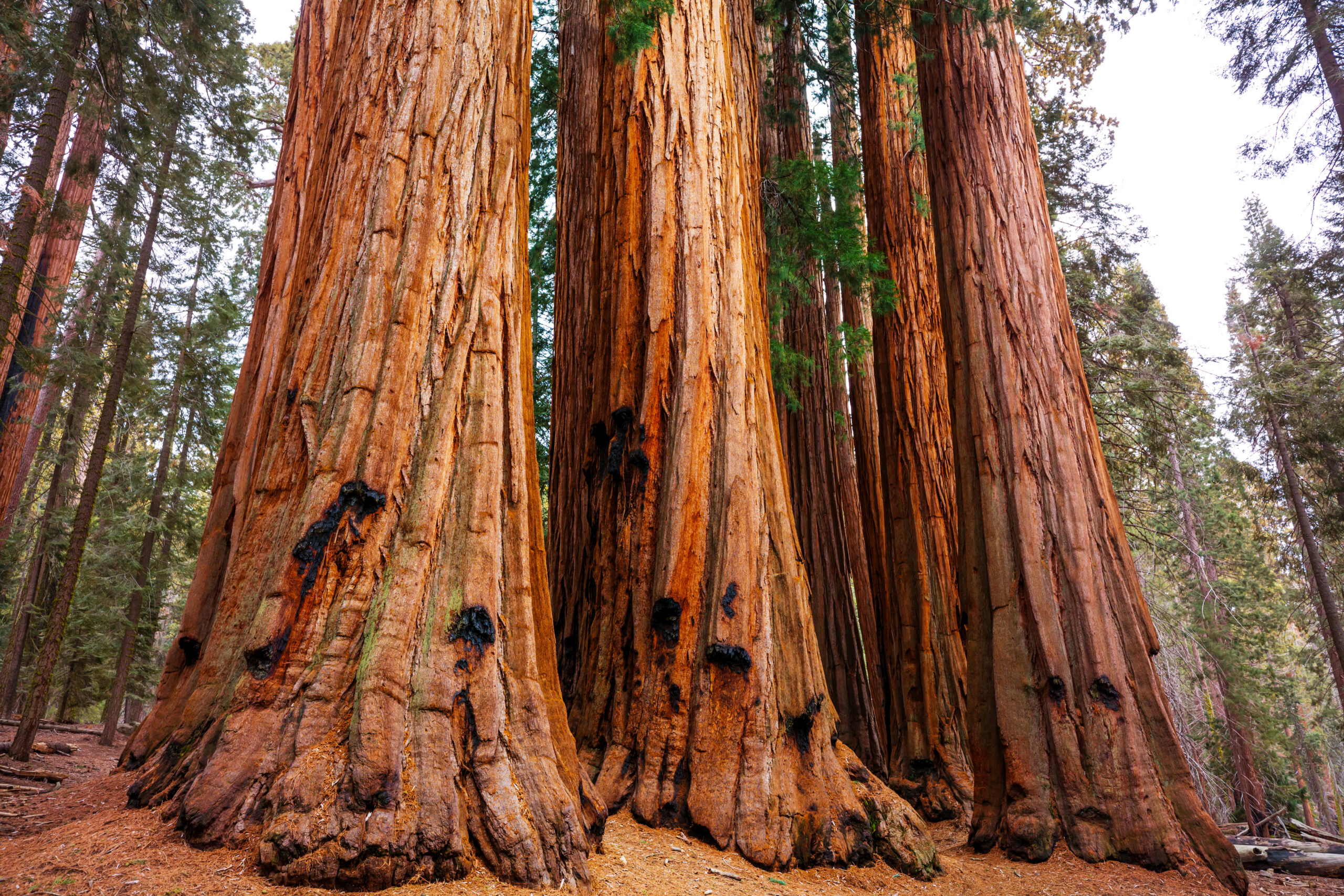
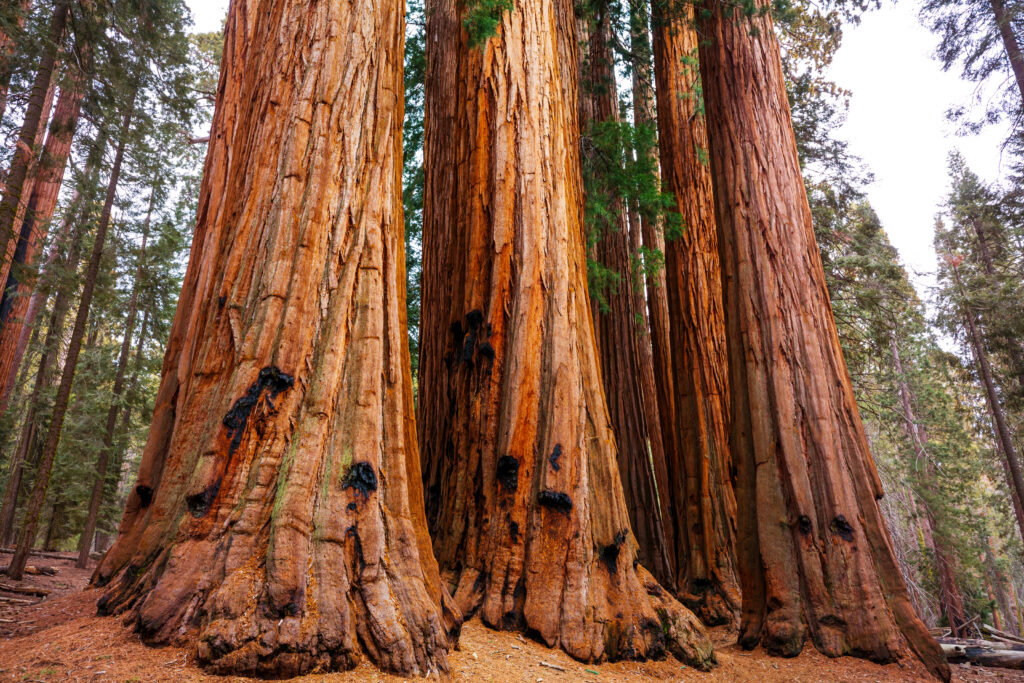
You go from desert landscapes to some of the largest trees on Earth.
Our must-see list would include:
- General Sherman Tree
- Giant Forest
- Moro Rock
- Crescent Meadow
Moro Rock is one of the best short hikes for huge payoff, but the stairs and drop-offs can feel intense if heights bother you.
Sequoia is also one of those parks where arriving early makes a major difference for parking.
3. Kings Canyon National Park
Kings Canyon is often treated like an add-on to Sequoia.
We wouldn’t do that.
Grant Grove and the General Grant Tree are the easy highlights, but if Cedar Grove is accessible during your trip, the drive deeper into Kings Canyon reveals an entirely different side of the park.
This is where you begin understanding how enormous the Sierra really is.
4. Pinnacles National Park
Pinnacles may be the park that creates the most confusion on this route.
Why?
Because there are two entrances — East and West — and there is no through-road connecting them inside the park. Pacific West Road Trip 11 Natio…
Choose the wrong entrance and you can lose a surprising amount of time.
Pinnacles is known for:
- High Peaks Trail
- Bear Gulch Cave
- Balconies Cave
- California condors
- Dramatic volcanic rock formations
If hiking and wildlife are priorities, this is an underrated stop.
5. Yosemite National Park
Yosemite is probably the park on this route that needs the most advance planning.
It deserves more than a quick drive-through.
At minimum, we’d want to experience:
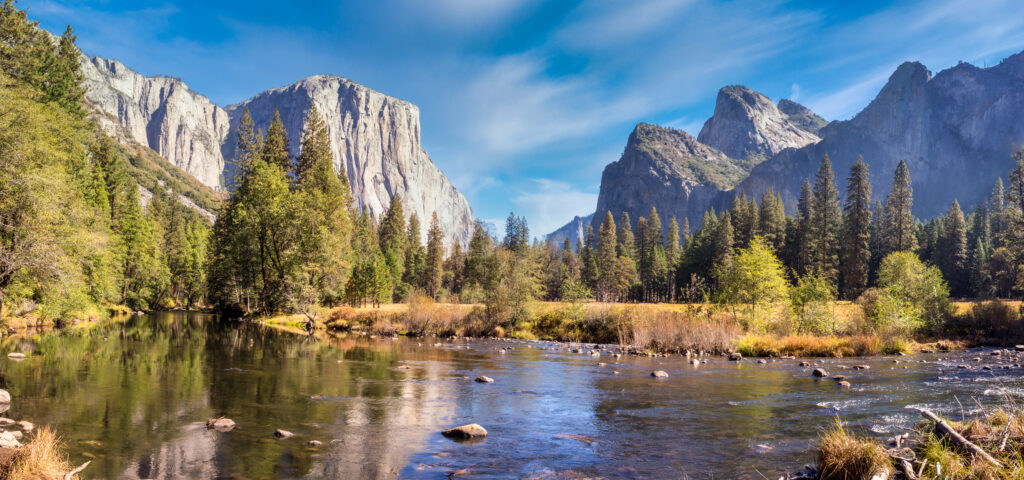
- Yosemite Valley
- Tunnel View
- Mist Trail
- Yosemite Falls
- Glacier Point if accessible
- Mariposa Grove
The problem is that Yosemite lodging can disappear long before your trip.
This is one of the places we would book first, not after the rest of the itinerary is finished.
6. Lassen Volcanic National Park
Lassen is one of the most underrated parks on this entire road trip.
It feels like someone combined Yellowstone, the Sierra, and the Cascades.
You’ve got:
- Bumpass Hell
- Manzanita Lake
- Kings Creek Falls
- Volcanic landscapes
- Alpine scenery
The major issue is seasonal access.
Snow can affect roads and trails well into the warmer months, so you always need to confirm current conditions before building the day around one specific trail.
7. Redwood National and State Parks
Redwood is another place where planning the geography matters.
This isn’t one compact park with a single entrance.
It’s a larger system made up of Redwood National Park and several California state parks.
Popular stops include:
- Fern Canyon
- Tall Trees Grove
- Lady Bird Johnson Grove
- Prairie Creek
- Jedediah Smith Redwoods
- Coastal viewpoints
Fern Canyon and Tall Trees Grove also have different reservation rules, so don’t assume one permit covers everything.
This is also where it pays to understand whether you should stay near Crescent City, Orick, or somewhere farther south.
8. Crater Lake National Park
Crater Lake is one of those places that doesn’t quite look real the first time you see it.
The lake is the deepest in the United States, surrounded by the remains of an ancient volcano.
We’d prioritize:
- Rim viewpoints
- Watchman Peak
- Garfield Peak
- Discovery Point
- Rim Village
Crater Lake is heavily seasonal, and snow can affect road access far later than many travelers expect.
If you’re building a shoulder-season itinerary, this is a park you need to double-check right before the trip.
9. Mount Rainier National Park
Mount Rainier is huge.
And this is where one of the most common planning mistakes happens:
People think Paradise and Sunrise are right next to each other.
They’re not.
If you only have one full day, we would usually choose one main area and enjoy it properly.
Paradise gives you:
- Skyline Trail
- Waterfalls
- Wildflowers
- Glacier views
- Some of the park’s most iconic scenery
Sunrise gives you a completely different perspective of Rainier and the surrounding Cascades.
Trying to cram both together can turn a beautiful day into hours in the car.
10. North Cascades National Park
North Cascades might be the biggest surprise of the entire route.
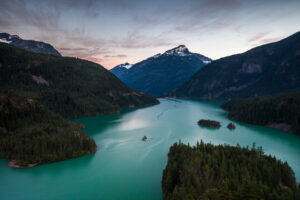
Turquoise lakes, jagged peaks, waterfalls, huge viewpoints, and some of the wildest scenery in Washington.
Popular highlights include:
- Diablo Lake
- Washington Pass
- North Cascades Highway
- Cascade Pass
But this is another park where what you do determines the entire day.
A highway sightseeing day and a Cascade Pass hiking day are not the same itinerary.
We would choose one or the other rather than pretending you can comfortably do both.
11. Olympic National Park
Olympic is really several completely different trips wrapped into one national park.
You have:
- Hurricane Ridge
- Lake Crescent
- Hoh Rain Forest
- Pacific beaches
- Temperate rainforest
- Alpine terrain
And none of it is particularly close together.
That’s why choosing your lodging base matters so much.
Staying in Port Angeles makes sense for Hurricane Ridge and Lake Crescent.
Forks works better for Hoh Rain Forest and the coast.
Trying to base yourself in one place and cover everything can add hours of unnecessary driving.
The Biggest Planning Mistakes on This Road Trip
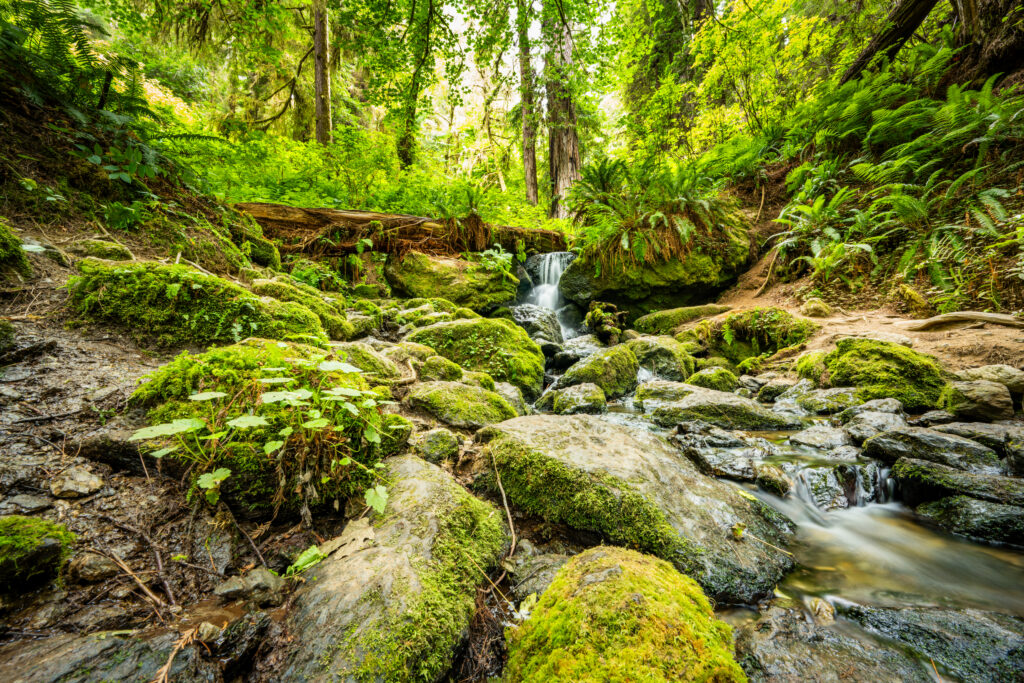
Trying to Do Too Much in One Day
This route rewards people who understand when not to add another stop.
The longest transfer is the Crater Lake to Mount Rainier section, which can take roughly 7–8 hours before stops. Pacific West Road Trip 11 Natio…
That’s why we split it.
A trip like this becomes much more enjoyable when the itinerary acknowledges long transfer days rather than hiding them.
Booking Hotels Before Understanding the Route
Where you stay can completely change the trip.
A hotel may technically be “near” a national park but still put you an hour or more away from the area you actually want to explore.
Before booking, understand:
- Which entrance you need
- Which side of the park you’re visiting
- What you’re doing the next morning
- How early parking fills
- Where you’re headed next
This matters especially at Yosemite, Pinnacles, Mount Rainier, Olympic, Redwood, and Sequoia/Kings Canyon.
Ignoring Seasonal Roads
You are crossing desert, Sierra Nevada, volcanic high country, Pacific coast, and Cascade mountain terrain.
A road being open in July does not mean it will be open in May.
Build flexibility into this route.
Assuming Every National Park Reservation Works the Same Way
It doesn’t.
You may encounter:
- Lodging reservations
- Campground reservations
- Hiking permits
- Seasonal access reservations
- Ferry reservations
- Backcountry permits
And they can all use different systems.
Our premium guide includes a full reservation timeline and master reservation table specifically because this gets confusing quickly. Pacific West Road Trip 11 Natio…
This is the stuff that takes hours to research individually.
The premium guide puts every major booking deadline, permit, campground system, ferry consideration, park reservation, and lodging decision into one planning system.
👉 [SEE THE COMPLETE PREMIUM GUIDE]
Is the America the Beautiful Pass Worth It?
For a trip this large, it’s one of the first things we would look at.
You’re visiting multiple fee-charging national parks, while Redwood and North Cascades currently have no standard national park entrance fee. Pacific West Road Trip 11 Natio…
If you’re already planning several national park trips in the same year, the annual pass can become even more valuable.
Always verify current pricing and eligibility before purchasing.
What Should Families Know Before Attempting This Route?
This trip can absolutely work for families.
But pacing matters.
We would prioritize:
- Fewer hotel changes when possible
- Earlier starts on hiking days
- Easy viewpoints mixed with big hikes
- Grocery stops before remote parks
- Planned rest days
- Downloaded offline maps
- Bathroom stops before long mountain-road sections
- Backup activities when weather changes
Not every short trail is automatically family-friendly.
A half-mile trail with steep exposure can be much harder with kids than a longer flat trail.
That’s why our full guide flags things like family picks, exposure/drop-offs, parking warnings, restroom availability, low-shade hikes, accessible options, and Plan B alternatives throughout the trip. Pacific West Road Trip 11 Natio…
Where Should You Stay on a West Coast National Parks Road Trip?
This is one of the areas where we intentionally aren’t going to list every hotel from our paid guide here.
Because the right answer depends on:
- Which park entrance you’re using
- Your budget
- Whether you want in-park lodging
- Whether you’re traveling with kids
- What you’re doing the next morning
- Whether you prioritize restaurants or location
Some of the major gateway areas to research include:
Joshua Tree: Joshua Tree, Yucca Valley, Twentynine Palms
Sequoia/Kings Canyon: Three Rivers, Grant Grove, in-park lodging
Pinnacles: Hollister, Soledad
Yosemite: Yosemite Valley, Mariposa, Oakhurst
Lassen: Chester, Lake Almanor, Mineral
Redwood: Crescent City, Orick
Crater Lake: in-park lodging and regional gateway towns
Mount Rainier: Ashford, Packwood
North Cascades: Marblemount, Winthrop
Olympic: Port Angeles, Forks
Our full guide breaks these down by best overall, family-friendly, budget, unique, in-park, and best location where appropriate.
👉 [GET THE FULL LODGING STRATEGY IN THE PREMIUM GUIDE]
Do You Need 24 or 28 Days?
If you’re deciding between the two, here’s the simplest way to think about it.
Choose 24 days if:
- You’re comfortable with several long driving days
- You can start mornings early
- You don’t need long rest days
- You’re okay choosing highlights instead of seeing everything
- You’re experienced with road trips
Choose 28 days if:
- You’re traveling with younger kids
- You want more hiking
- You want buffer for bad weather
- You dislike moving hotels frequently
- You want more time in Yosemite, North Cascades, or Olympic
- You simply prefer a more relaxed pace
We include both full versions inside the premium guide so you can choose the pace that fits your family rather than forcing yourself into one schedule. Pacific West Road Trip 11 Natio…
What to Pack for This Road Trip
Packing for this trip is weird.
You could experience serious desert heat and cold alpine mornings during the same vacation.
We’d bring:
- Hiking layers
- Rain jacket
- Warm layer
- Sun protection
- Good hiking shoes
- Water shoes for wet trails
- Large reusable water containers
- Cooler
- Portable charger
- First aid kit
- Offline maps
- Headlamps
- Car charger
- Emergency supplies
This is not the road trip where we’d pack only shorts because “it’s summer.”
FAQ: West Coast National Parks Road Trip

Can you visit all 11 parks in one trip?
Yes.
That’s exactly what this route is designed to do.
But we recommend roughly 24–28 days rather than trying to turn it into a two-week sprint.
What airport should you fly into?
For this one-way route, we’d start at Los Angeles International Airport (LAX) and finish at Seattle-Tacoma International Airport (SEA). Pacific West Road Trip 11 Natio…
A one-way rental car makes the trip dramatically easier than trying to loop back to Southern California.
What is the hardest driving day?
Crater Lake to Mount Rainier is the most demanding major transfer on the route.
That’s one of the reasons we recommend breaking it into two days rather than attempting to drive the entire stretch and still enjoy a national park on either end.
Which park needs the most advance planning?
Yosemite should be near the top of your booking list, especially if you want to stay inside Yosemite Valley.
Mount Rainier, Olympic, North Cascades, and other limited-lodging areas can also require early planning.
Can this trip work with kids?
Absolutely.
We would lean toward the 28-day version for families that want more downtime.
The route includes plenty of roadside viewpoints, easy hikes, visitor centers, scenic drives, wildlife opportunities, and short walks in addition to the big hikes.
Which park surprised us the most?
If you love wild mountain scenery, don’t underestimate North Cascades.
And if you want a park that feels dramatically different from the famous California stops, Lassen Volcanic is a great change of pace.
Want the Complete Los Angeles-to-Seattle Itinerary?
This article gives you the framework.
But a trip this big has hundreds of smaller decisions that determine whether it feels incredible or exhausting.
That’s why we created The Ultimate Pacific West Road Trip Guide.
Inside the 87-page digital guide, we’ve already done the planning for you:
- Complete 24-day itinerary
- Complete 28-day itinerary
- All 11 national park mini-guides
- Custom road-trip maps
- Park-area maps
- Realistic drive-time estimates
- Every major transfer day
- Hiking recommendations
- Signature-hike details
- Lodging strategy
- Dining recommendations
- Reservation timeline
- Permit information
- Family-friendly options
- Photography tips
- Parking guidance
- Accessibility information
- Weather and closure backup plans
- Budget planning
- Packing guidance
- Printable road trip checklists
- Emergency/offline planning
- 2026 planning considerations
Instead of spending weeks with dozens of browser tabs open, you can start with the complete route already organized.
Ready to plan the trip?
👉 [GET THE ULTIMATE PACIFIC WEST ROAD TRIP GUIDE]
11 national parks.
3 states.
One unforgettable road trip.
We’ll see you out there.
— Heather, Jesse & Lukas
Adventure Family Vlog