

Glacier National Park is one of those places that almost doesn’t seem real until you see it for yourself.
Turquoise lakes. Jagged mountain peaks. Alpine meadows covered in wildflowers. Waterfalls spilling down mountainsides. Historic lodges. Wildlife around almost every corner. And one of the most spectacular scenic roads in the United States.
Located in northwestern Montana along the Canadian border, Glacier National Park is known as the Crown of the Continent—and once you visit, it’s easy to see why.
But Glacier is also a park that takes a little more planning than many first-time visitors expect. The park is huge, its major areas are spread out, mountain roads are seasonal, weather can change quickly, and some of the most popular places can become very busy.
This free Glacier National Park visitor guide will help you understand the basics, including:
- The best time to visit
- The main areas of the park
- The top things to do
- A few of the best hikes
- How much time you need
- Where to stay
- What to pack
- Important things to know before you go
For the full planning breakdown—including our detailed itineraries, complete hiking guide, Going-to-the-Sun Road strategy, Logan Pass logistics, where to stay by region, photography locations, parking tips, and everything we use to plan a Glacier trip—grab our Premium Glacier National Park Guide in our shop.
About Glacier National Park
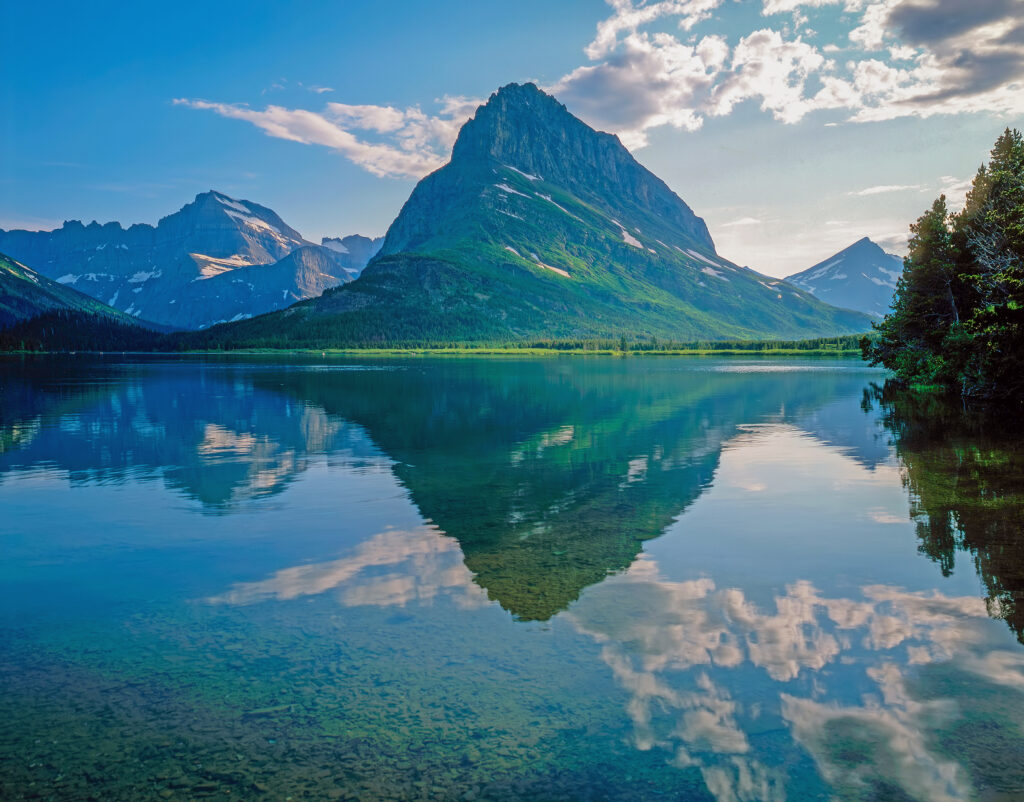
Glacier National Park sits along the Continental Divide in northwestern Montana and protects a spectacular landscape of mountains, lakes, forests, waterfalls, alpine meadows, and glacially carved valleys.
The park is best known for places like:
- Going-to-the-Sun Road
- Lake McDonald
- Logan Pass
- Many Glacier
- St. Mary Lake
- Two Medicine
- Hidden Lake Overlook
- Avalanche Lake
- Grinnell Glacier
What surprises many first-time visitors is that Glacier does not feel like one single park area.
It is divided into several distinct regions, and driving from one part of the park to another can take much longer than you expect. The west side feels different from Many Glacier. Two Medicine offers a different experience from Logan Pass. The remote North Fork feels completely different from all of them.
That is one of the things that makes Glacier so incredible—but it is also why having a good plan matters.
Before visiting, remember to follow Leave No Trace principles. Stay on designated trails, pack out your trash, respect wildlife, never feed animals, and help protect this incredible landscape for future generations.
You don’t need to understand every corner of Glacier before your trip, but knowing the major areas will make planning much easier.
The Main Areas of Glacier National Park
Going-to-the-Sun Road
For most first-time visitors, this is the classic Glacier experience.
Going-to-the-Sun Road crosses the park between West Glacier and St. Mary, climbing through forests and past waterfalls before reaching the Continental Divide at Logan Pass.
Along the way, you’ll find some of Glacier’s most famous scenery, viewpoints, and trailheads.
Lake McDonald Valley
Located on the west side of the park, the Lake McDonald area is one of the easiest places to reach.
This area is known for:
- Lake McDonald
- Colorful shoreline rocks
- Lake McDonald Lodge
- Trail of the Cedars
- Avalanche Lake
It’s a great introduction to Glacier and especially good for families and first-time visitors.
Logan Pass
Logan Pass sits high along the Continental Divide and is one of the most spectacular areas in the park.
It provides access to famous trails and is known for alpine scenery, wildflowers, mountain goats, and incredible views.
It is also one of the busiest areas in Glacier, so understanding the current parking and shuttle system before your trip is extremely important.
Many Glacier
If hiking and dramatic mountain scenery are at the top of your list, Many Glacier deserves a place in your itinerary.
This area is known for:
- Grinnell Glacier
- Iceberg Lake
- Swiftcurrent Lake
- Wildlife viewing
- Many Glacier Hotel
Many Glacier feels like the heart of the park and has some of the most incredible scenery in Glacier.
Two Medicine
Two Medicine is a quieter part of the park that many first-time visitors overlook.
You’ll find mountain views, waterfalls, trails, lake experiences, and a more relaxed atmosphere than some of Glacier’s busiest areas.
If you have several days, it is absolutely worth considering.
Best Time to Visit
Glacier can be visited year-round, but the experience changes dramatically with the seasons.
Spring: May–Mid-June
Spring is beautiful, but access can be limited.
Lower-elevation areas may be open while higher roads and trails are still covered in snow.
Spring can be a good choice for:
- Fewer crowds
- Waterfalls
- Lower-elevation exploring
- Biking or walking sections of Going-to-the-Sun Road before it fully opens to vehicles
You will need to be flexible because snow conditions control what is accessible.
Summer: Mid-June–August
Summer is Glacier’s busiest season and generally offers the greatest access to roads, trails, tours, and park services.
July and August are ideal for visitors who want:
- High-elevation hiking
- Going-to-the-Sun Road
- Logan Pass
- Wildflowers
- Boat tours
- The widest range of available activities
The tradeoff is larger crowds and more competition for parking.
Fall: September–October
Fall is one of our favorite times to visit Glacier.
Crowds begin to thin after Labor Day, hiking temperatures become more comfortable, and the landscape begins changing color.
Early and mid-September can offer a great balance of:
- Open trails
- Cooler weather
- Fewer crowds
- Wildlife activity
- Beautiful fall scenery
Services begin closing as the season progresses, and mountain weather can change quickly.
Winter: November–April
Winter is quiet and beautiful, but access is limited.
Much of the park becomes a destination for:
- Snowshoeing
- Cross-country skiing
- Winter photography
- Solitude
Most first-time visitors looking for the full Glacier experience should plan for summer or early fall.
Top Things to Do
Drive Going-to-the-Sun Road
Going-to-the-Sun Road is one of the most spectacular scenic drives in America and an essential part of a first trip to Glacier.
The road climbs from forest and lake country into dramatic alpine scenery before crossing the Continental Divide at Logan Pass.
Some of the places you may want to see along the route include:
- Lake McDonald
- Avalanche Creek area
- The Loop
- Mountain and waterfall viewpoints
- Logan Pass
- Jackson Glacier Overlook
- St. Mary Lake
Don’t try to rush this drive. The experience is the journey itself.
Our Premium Glacier National Park Guide includes the more detailed version—how to plan the drive, which stops we prioritize, where hiking fits into the day, and how the 2026 Logan Pass system affects your itinerary.
Visit Lake McDonald
Lake McDonald is the largest lake in Glacier National Park and one of its most recognizable locations.
The clear water and colorful shoreline rocks make it one of the most photographed places in the park.
Spend some time:
- Walking along the shoreline
- Taking photos of the colorful rocks
- Visiting historic Lake McDonald Lodge
- Watching the mountain reflections during calm conditions
This is one of Glacier’s easiest beautiful stops and works well for almost every type of traveler.
Explore Logan Pass
Logan Pass is one of the most iconic places in Glacier.
Sitting along the Continental Divide, it is surrounded by alpine scenery and provides access to some of the park’s most famous trails.
The area is known for:
- Mountain views
- Wildflowers
- Mountain goats
- Hidden Lake Overlook
- Highline Trail
Because access and parking at Logan Pass changed for 2026, this is one area where it pays to plan ahead.
We keep the full Logan Pass and shuttle strategy inside our Premium Glacier Guide because your plan will depend on whether you are stopping briefly or beginning a longer hike.
Walk Trail of the Cedars
Trail of the Cedars is one of the easiest walks in Glacier National Park and a great choice for families.
The trail passes through an old-growth forest filled with towering trees and beautiful scenery.
It is a good option for:
- Families with young kids
- Visitors looking for an easier walk
- A shorter activity
- A rainy or cloudy day
- Pairing with a longer hike nearby
Hike to Avalanche Lake
Avalanche Lake is one of the most popular hikes on the west side of Glacier.
The trail leads through forest before reaching a beautiful mountain lake surrounded by steep cliffs and waterfalls.
It is a great choice for visitors who want a classic Glacier hike without committing to one of the park’s most strenuous all-day trails.
Go early during the busiest summer months.
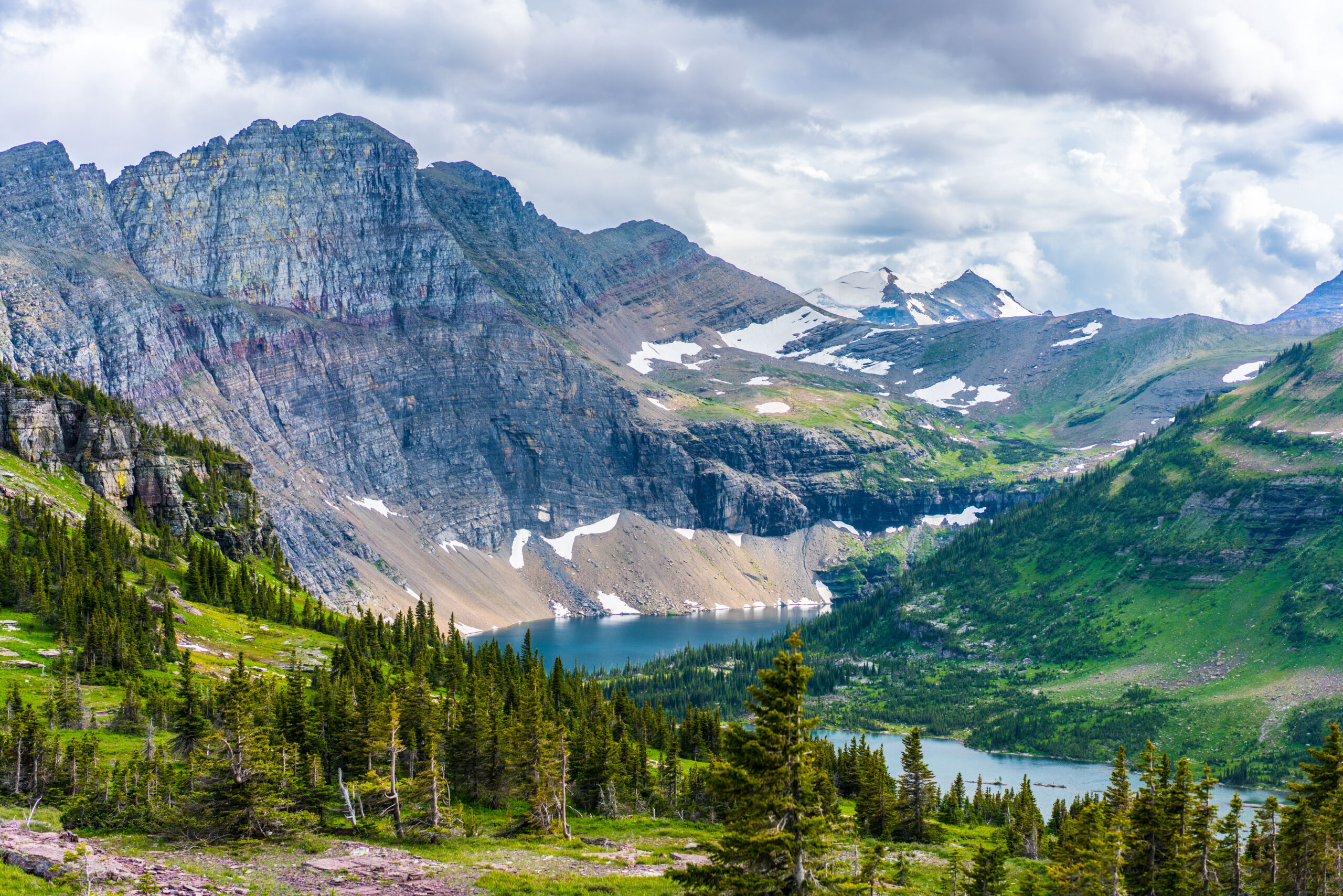
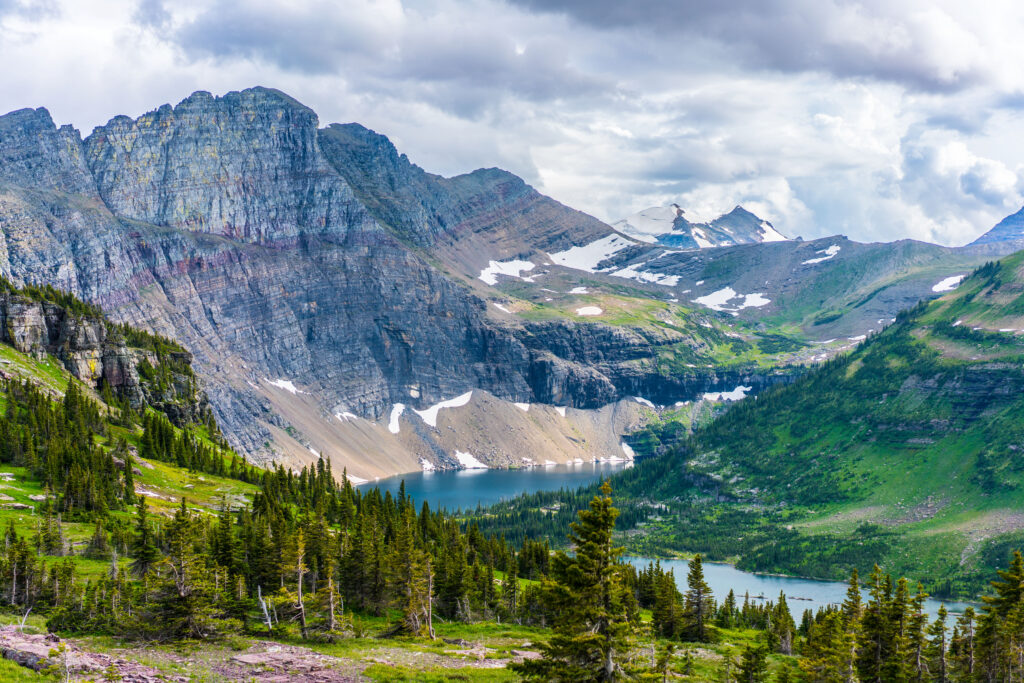
See Hidden Lake Overlook
Hidden Lake Overlook is one of the most popular hikes from Logan Pass.
The trail passes through an alpine landscape with huge mountain views and opportunities to see wildlife.
This is a great option for visitors who want:
- A shorter alpine hike
- Wildflowers
- Mountain scenery
- Wildlife viewing
- A classic Logan Pass experience
Always keep a safe distance from wildlife, even when animals appear comfortable around people.
Explore Many Glacier
Many Glacier deserves more than just a quick stop.
This part of the park is known for some of Glacier’s most dramatic mountains, beautiful lakes, incredible hikes, and wildlife.
Even if you’re not planning a strenuous hike, you can:
- Visit Swiftcurrent Lake
- Explore the historic lodge area
- Look for wildlife
- Walk an easier trail
- Enjoy the mountain scenery
If you love hiking, this is an area where you may want an entire day—or more.
Visit Two Medicine
Two Medicine is one of the best areas to consider when you want a different side of Glacier.
The area offers:
- Two Medicine Lake
- Waterfalls
- Scenic hikes
- Mountain views
- A quieter atmosphere
Many first-time visitors skip it because they spend all of their time around Going-to-the-Sun Road and Many Glacier.
That is exactly why Two Medicine can be such a great addition to a longer trip.
A Few of the Best Hikes in Glacier National Park
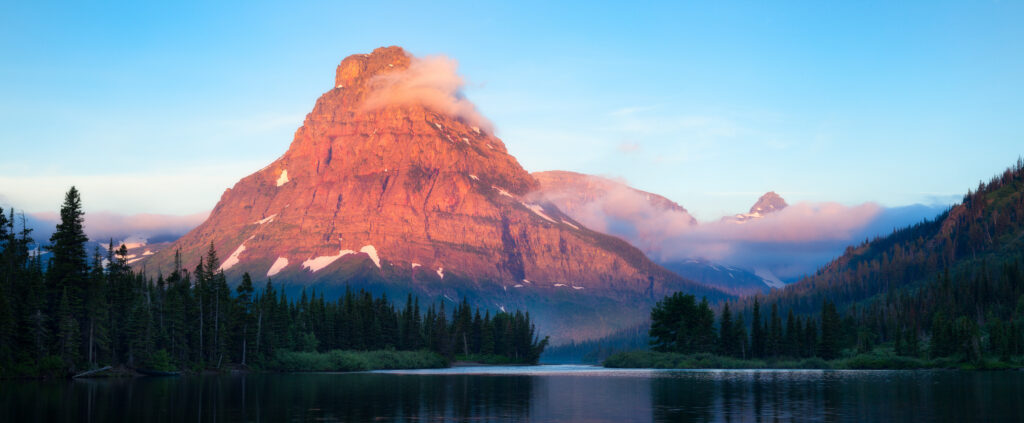
Glacier has hundreds of miles of trails, but these are a few names first-time visitors should know.
Trail of the Cedars
An easy forest walk that works well for all ages and many ability levels.
Avalanche Lake
A beautiful mountain lake hike and one of our favorite choices for families looking for a more substantial trail.
Hidden Lake Overlook
A classic Logan Pass hike with alpine views and frequent wildlife sightings.
Highline Trail
One of Glacier’s most famous hikes, known for dramatic views along the Continental Divide.
This is a longer adventure that requires more planning than a simple viewpoint stop.
Grinnell Glacier
One of the signature hikes in the Many Glacier area, leading through an incredible landscape of lakes, mountains, waterfalls, and glacial scenery.
Our paid guide gives you the full breakdown of which hikes we recommend based on your time, experience, family, fitness level, and where you are staying.
Getting To and Around Glacier National Park
One of the biggest things to understand before visiting Zion is the shuttle system.
During much of the year, private vehicles are not allowed on the Zion Canyon Scenic Drive. Instead, visitors use the free Zion Canyon shuttle to access many of the park’s most popular trailheads, including Zion Lodge, The Grotto, Big Bend, and Temple of Sinawava.
Because Zion is so popular, parking at the visitor center can fill early, especially on weekends, holidays, and during peak travel seasons.
A few things to know:
- Arrive early if you want a parking spot near the visitor center.
- The shuttle is free once you are inside the park.
- Springdale also has a town shuttle that helps connect visitors to the park entrance.
- The Zion-Mount Carmel Highway is separate from the Zion Canyon Scenic Drive and can usually be driven in your own vehicle.
- In winter, when the shuttle is not running, visitors may be able to drive the canyon road themselves.
💡 Pro Tip: If you want more flexibility and don’t want to rely only on the shuttle, consider renting e-bikes in Springdale. It can be one of the best ways to experience Zion Canyon at your own pace.
Where To Stay Near Glacier National Park
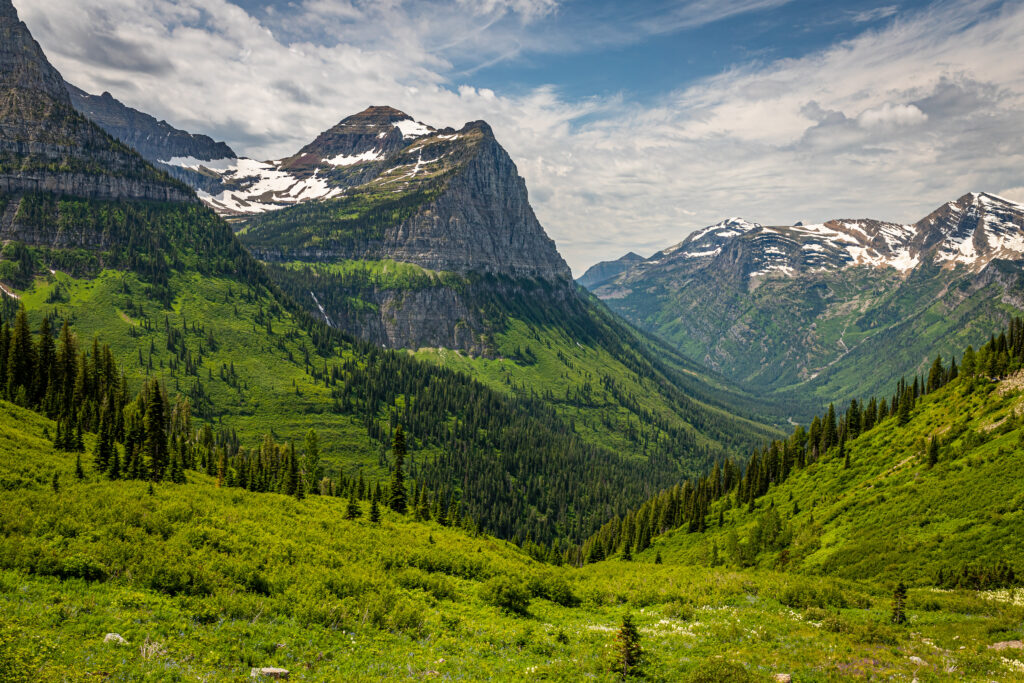
Where you stay matters more in Glacier than it does in many national parks because the major areas are so spread out.
A few areas to consider include:
West Glacier and Apgar
Best for easy access to:
- Lake McDonald
- The west side of Going-to-the-Sun Road
- Trail of the Cedars
- Avalanche Lake
Whitefish
A larger gateway town with more:
- Hotels
- Vacation rentals
- Restaurants
- Shopping
- Services
Whitefish is farther from the park but can be a great base if you want more amenities.
St. Mary
St. Mary works well for exploring the east side of Going-to-the-Sun Road and can make certain parts of your trip much easier.
Inside the Park
A few well-known in-park options include:
- Lake McDonald Lodge
- Many Glacier Hotel
- Swiftcurrent-area lodging
- Rising Sun area
In-park lodging can book far in advance.
👉 Search Glacier National Park area hotels on Booking.com
👉 Bundle your hotel and rental car with Expedia
For our full breakdown of where we recommend staying based on the number of days you have and the areas you want to explore, grab our Premium Glacier Guide.
Where To Eat Near Glacier National Park
Food options depend heavily on which part of Glacier you are exploring.
You’ll find restaurants and food services in some gateway towns and park areas, but you should not assume food will always be nearby when you need it.
For hiking and sightseeing days, we recommend:
- Eating breakfast before entering the park
- Packing lunch
- Keeping plenty of snacks in the car
- Carrying extra water
- Checking seasonal restaurant hours in advance
The premium guide includes our more detailed recommendations and helps you plan food around where you’ll actually be each day.
How Much Time Do You Need at Glacier National Park?
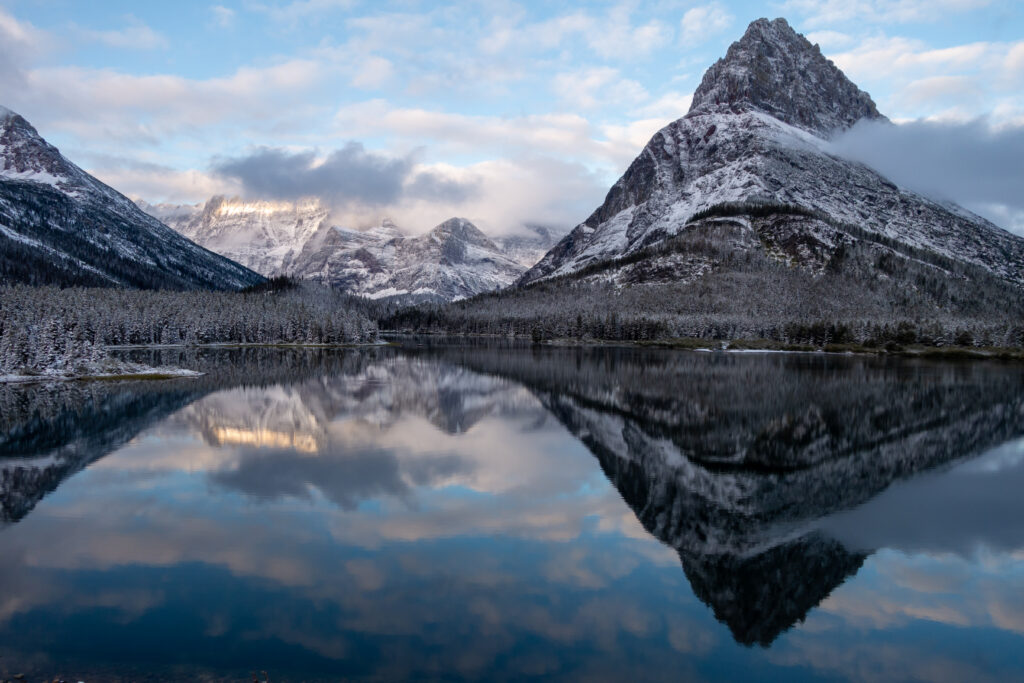
Glacier is not a park we recommend trying to squeeze into a few hours.
One Day
With one full day, focus on a single experience rather than trying to see the entire park.
For most first-time visitors, that means:
- Going-to-the-Sun Road
- Lake McDonald
- Logan Pass
- St. Mary Lake
- One short walk or hike
Two Days
With two days, you can add another major area, such as:
- Many Glacier
- More hiking
- Avalanche Lake
- Additional time along Going-to-the-Sun Road
Three Days
Three full days gives you a much better introduction to Glacier.
You can begin to experience:
- Going-to-the-Sun Road
- Logan Pass
- Many Glacier
- Lake McDonald
- A few hikes
Five Days or More
Five days gives you time to explore Glacier without feeling like you are constantly racing from one side of the park to another.
You can add:
- Two Medicine
- More hiking
- Wildlife viewing
- Sunrise and sunset photography
- Weather flexibility
- A slower pace
Our Premium Glacier National Park Guide includes the full day-by-day itinerary so you can see how we would actually organize each area without wasting hours driving back and forth.
Things to Know Before You Go
- Glacier National Park is much larger than many first-time visitors expect.
- Major park areas can require significant driving time between them.
- Going-to-the-Sun Road is seasonal.
- Mountain weather can change very quickly.
- Cell service is limited or nonexistent in many areas.
- Download offline maps before your trip.
- Popular trailhead parking can fill early.
- Logan Pass has new access and parking rules for 2026.
- Wildlife is common throughout the park.
- Carry bear spray while hiking and know how to use it.
- Keep bear spray immediately accessible—not buried inside your backpack.
- Never approach or feed wildlife.
- Bring layers, even during summer.
- Always check current road, trail, weather, and wildlife closures before heading out.
💡 Pro Tip: The biggest mistake first-time visitors make is treating Glacier like one small park. Plan your days by region instead of zigzagging across the park.
What To Pack
- Daypack
- Comfortable hiking shoes
- Plenty of water
- Snacks or packed lunch
- Bear spray
- Lightweight layers
- Rain jacket
- Hat
- Sunglasses
- Sunscreen
- Offline maps
- Portable phone charger
- Camera
- Binoculars
- Basic first aid supplies
Glacier weather can change quickly, so even a sunny summer morning can turn cold, windy, or rainy at higher elevations.
Best Photo Spots in Glacier
You could spend weeks photographing Glacier, but a few classic areas include:
- Lake McDonald
- Going-to-the-Sun Road
- Logan Pass
- Hidden Lake area
- St. Mary Lake
- Many Glacier
- Swiftcurrent Lake
- Avalanche Lake
- Two Medicine
The exact time of day can completely change these locations.
Our Premium Glacier Guide includes more detailed photography recommendations and shows you how to work the best stops into your itinerary.
Is Glacier National Park Good for Families?
Absolutely—with the right plan.
Families do not need to tackle the longest or hardest hikes to have an incredible trip.
Some family-friendly options include:
- Lake McDonald shoreline
- Trail of the Cedars
- Short scenic stops along Going-to-the-Sun Road
- Avalanche Lake for families ready for a longer hike
- Wildlife viewing from a safe distance
- Scenic lake areas
- Easier trails in different regions of the park
The biggest challenges for families are usually long drive times, parking, early mornings, and trying to do too much in one day.
The full guide helps you choose which experiences are worth prioritizing based on your family and available time.
Looking for a Complete Glacier National Park Guide?
This free guide gives you a strong starting point—but Glacier is one of those parks where the details can completely change your experience.
Our Premium Glacier National Park Guide goes much deeper and includes:
- Detailed day-by-day itineraries
- How to organize the park by region
- Complete Going-to-the-Sun Road planning
- 2026 Logan Pass and shuttle strategy
- The best hikes and who they are right for
- Detailed trail logistics
- Many Glacier planning
- Lake McDonald strategy
- Two Medicine
- Where to stay
- Gateway town comparisons
- Parking and crowd strategy
- Wildlife and bear safety
- Photography locations
- Family-friendly options
- Packing advice
- Common mistakes to avoid
- Our real first-hand recommendations
It is designed to help you spend less time searching through dozens of websites and more time actually enjoying Glacier.
We hope this free guide helps you start planning an unforgettable Glacier National Park adventure.
✨ Keep Adventuring, Keep Exploring, and we’ll see you on the next Adventure! ✨