

Great Smoky Mountains National Park is unlike any other national park in the country.
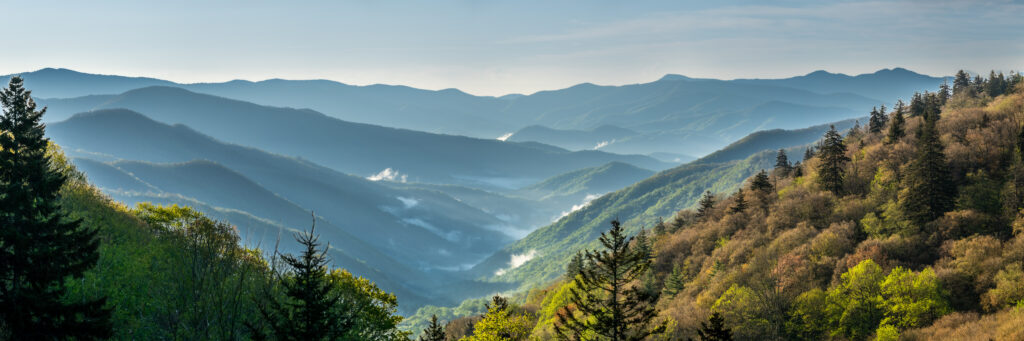
There are no massive red rock cliffs, desert arches, or geysers exploding from the ground. Instead, the Smokies are filled with ancient mountains, endless forest, misty blue ridgelines, historic cabins, waterfalls, wildlife, and some of the most beautiful scenic roads in the eastern United States.
Straddling the Tennessee–North Carolina border, Great Smoky Mountains is also the most visited national park in America.
And while it does not charge an entrance fee, that does not mean there is nothing to plan.
The park is huge. Cell service is limited. Popular roads can become extremely congested. Trailhead parking fills early. Weather changes quickly. And because the park has several different gateway towns and regions, where you stay can completely change your trip.
This free Great Smoky Mountains National Park visitor guide covers the basics you need to start planning, including:
- The best time to visit
- How the parking tag system works
- The main areas of the park
- How to get there and get around
- A few of the best things to do
- Some of the most popular hikes
- How much time you need
- Where to stay
- Wildlife and family tips
- What to pack
For the full planning breakdown, our Premium Great Smoky Mountains National Park Ultimate Guide includes a complete 3-day itinerary, nine detailed trail and experience profiles, road and crowd strategy, synchronous firefly information, hiking logistics, photography tips, lodging recommendations, gateway town comparisons, safety information, and everything you need to confidently organize your trip.
About Great Smoky Mountains National Park
Great Smoky Mountains National Park stretches across the Tennessee–North Carolina border in the southern Appalachian Mountains.
The park is known for:
- Layered blue mountain views
- Waterfalls
- Dense forest
- Historic homesteads
- Scenic drives
- Black bears
- Elk
- Wildflowers
- Fall colors
- Synchronous fireflies
The Smokies are part of one of the oldest mountain ranges on Earth.
Millions of years of erosion have softened the landscape into the rounded, forest-covered peaks that make the park look so different from younger mountain ranges in the western United States.
The famous blue haze is also real.
The dense forest releases natural organic compounds that scatter blue light, creating the smoky appearance that gives the mountains their name.
Great Smoky Mountains is also one of the most biodiverse places in the National Park System, with thousands of documented species and new species still being identified.
It is especially famous for salamanders, earning the region the nickname “Salamander Capital of the World.”
The Main Areas of Great Smoky Mountains National Park
The Smokies do not have one central scenic loop that connects everything.
Instead, different roads and regions offer very different experiences.
Understanding those areas before your trip will save you a lot of unnecessary driving.
Cades Cove
Cades Cove is one of the most famous areas in the park.
The valley is known for:
- Wildlife
- Historic cabins
- Churches
- Open meadows
- Mountain views
- Scenic driving
The one-way loop is beautiful—but it can also be one of the slowest drives in the park when traffic or wildlife stops vehicles.
Early morning is usually the best time to visit.
Newfound Gap Road
Newfound Gap Road crosses the park between Gatlinburg, Tennessee, and Cherokee, North Carolina.
Along the way, you will find:
- Mountain overlooks
- Trailheads
- The Tennessee–North Carolina state line
- Access toward Kuwohi
- Dramatic elevation changes
This is one of the best roads for getting a broad feel for the Smokies.
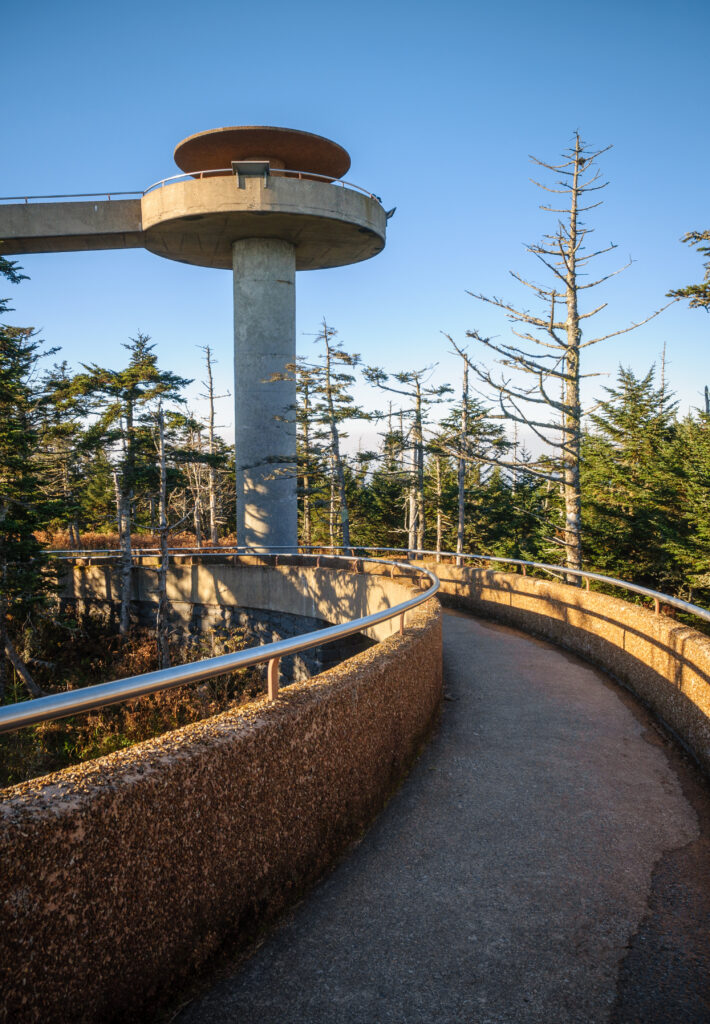
Kuwohi
Formerly known as Clingmans Dome, Kuwohi is the highest point in Great Smoky Mountains National Park.
A short but steep paved trail leads to the famous observation tower.
On a clear day, the views can stretch across layer after layer of mountain ridges.
On a hazy day, visibility may be much more limited.
That unpredictability is part of the Smokies experience.
Roaring Fork
The Roaring Fork area sits near Gatlinburg and offers:
- A scenic motor nature trail
- Historic cabins
- Forest scenery
- Waterfalls
- Popular hiking access
This area works especially well for travelers staying in Gatlinburg.
Cataloochee Valley
Cataloochee is one of the park’s more remote regions.
It is best known for the elk that were reintroduced to the Smokies.
This area requires more effort to reach, but that also means it often feels quieter than the busiest Tennessee-side attractions.
The full premium guide helps you decide whether Cataloochee is worth adding based on the number of days you have.
Best Time to Visit
The Smokies are beautiful year-round, but every season offers something different.
Spring: April–May
Spring is one of the best times to visit.
This season brings:
- Wildflowers
- Stronger waterfall flow
- Fresh green forest
- Comfortable hiking temperatures
Late spring is also associated with the park’s famous synchronous firefly event.
Because access to the managed firefly viewing period is limited, it requires advance planning.
Summer: June–August
Summer is warm, humid, and busy.
Expect:
- Thick green forest
- Frequent rain
- Hazy mountain views
- Heavy weekend crowds
This is a popular family-travel season, but starting early becomes especially important.
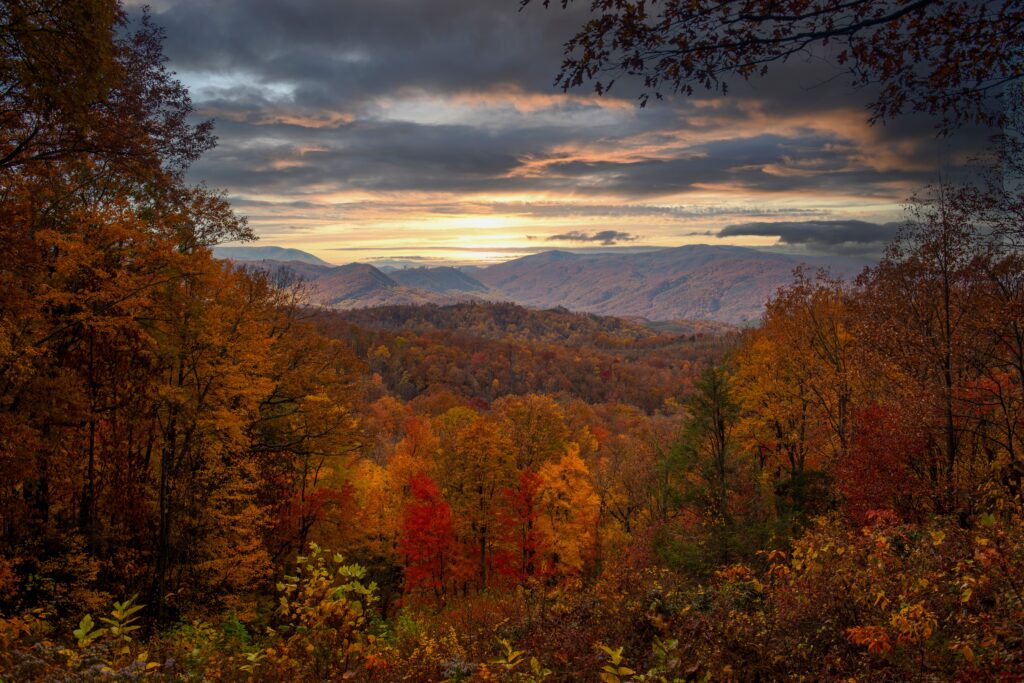
Fall: September–October
Fall is one of the most beautiful—and busiest—times in the Smokies.
The mountains transform with:
- Red
- Orange
- Gold
- Yellow
The challenge is traffic.
October can bring extremely heavy congestion, especially on scenic roads and around Cades Cove.
Winter: November–March
Winter is one of the most underrated times to visit.
You may find:
- Far fewer crowds
- Clearer views through bare trees
- Snow at higher elevations
- A quieter park experience
Some high-elevation roads may close because of snow or ice.
Getting To and Around Great Smoky Mountains National Park
The park has no central shuttle system.
For most trips, you will need your own vehicle.
The most common gateway towns include:
- Gatlinburg, Tennessee
- Pigeon Forge, Tennessee
- Townsend, Tennessee
- Cherokee, North Carolina
- Bryson City, North Carolina
Each one works best for different parts of the park.
Gatlinburg
Best for:
- Sugarlands
- Newfound Gap Road
- Roaring Fork
- Popular Tennessee-side trails

Townsend
Best for:
- Cades Cove
- A quieter trip
- Less tourist-heavy surroundings
Cherokee
Best for:
- The North Carolina side
- Oconaluftee
- Elk viewing
- Blue Ridge Parkway access
Pigeon Forge
Best for:
- Families combining the park with attractions
- More hotels and entertainment
- Dollywood
A few things to know about getting around:
- There is no gas inside the park.
- Cell service is unreliable.
- Some roads are seasonal.
- Traffic can be extreme during fall and summer weekends.
- Wildlife can stop traffic.
- Scenic roads may move much more slowly than expected.
Download offline maps before entering the park. Or better yet, download the Shaka Guide for the Great Smoky Mountains National Park and use “ADVENTUREFAMILYVLOG15” to save 15% off the guided tour!
💡 Pro Tip: Do not judge Smokies drive times by mileage alone. A short distance can take much longer when traffic, wildlife, construction, or narrow mountain roads are involved.
Our Premium Great Smoky Mountains Guide helps you group the park geographically so you spend less time backtracking.
Do You Need a Parking Tag?
Yes—if you park for more than 15 minutes.
Great Smoky Mountains National Park does not charge an entrance fee, but a parking tag is required for most visitors who plan to stop, hike, picnic, or explore.
Parking tags are available for:
- One day
- One week
- One year
This requirement applies throughout the park.
That means you will likely need a parking tag for:
- Trailheads
- Overlooks
- Picnic areas
- Scenic stops
💡 Pro Tip: Buy your parking tag before your trip so you do not have to spend valuable morning time searching for one before a hike.
Our premium guide includes the more detailed access and permit information you need for parking, firefly viewing, camping, and other specific activities.
Top Things to Do
The Smokies can be experienced in many different ways.
You can spend your trip:
- Hiking
- Chasing waterfalls
- Looking for wildlife
- Driving scenic roads
- Exploring historic structures
- Photographing the mountains
For most first-time visitors, these are some of the biggest experiences to know about.
Drive Cades Cove
Cades Cove is one of the park’s signature experiences.
The valley combines:
- Historic buildings
- Open meadows
- Mountain views
- Wildlife opportunities
You may see:
- Black bears
- Deer
- Turkeys
- Other wildlife
But wildlife is never guaranteed.
The best strategy is usually to arrive early and allow more time than you think you need.
The one-way loop can become extremely slow.
Visit Kuwohi
Kuwohi is one of the most iconic viewpoints in the Smokies.
The observation tower sits at the park’s highest point and offers enormous mountain views when conditions are clear.
The trail is short, but do not assume it is effortless.
The paved climb is steep.
This is a good example of why our premium guide includes more detailed difficulty and logistics notes for each experience.
Drive Newfound Gap Road
Newfound Gap Road is one of the best scenic drives in the park.
The road climbs through changing forest zones and crosses the Tennessee–North Carolina state line.
Allow time for:
- Scenic overlooks
- Mountain photos
- Short stops
- Trail access
This route is also useful for connecting different parts of your itinerary.
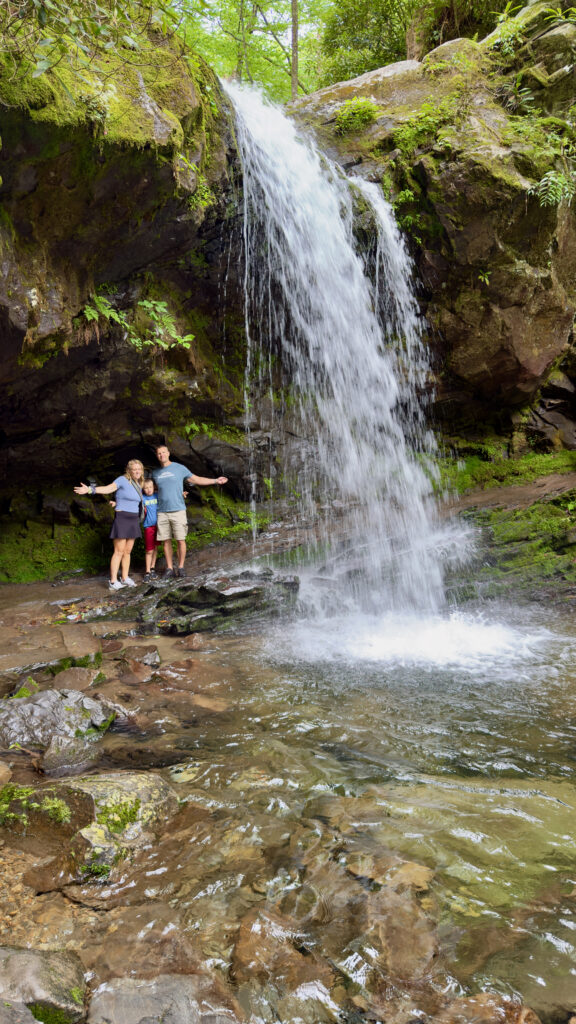
Chase Waterfalls
The Smokies are filled with waterfalls.
Some require short walks.
Others involve longer, more strenuous hikes.
Popular choices range from:
- Easier waterfall experiences
- Moderate forest hikes
- Challenging full-day adventures
Rather than listing every hike here, the premium guide includes nine detailed trail and experience profiles so you can choose based on:
- Distance
- Difficulty
- Elevation
- Time
- Crowds
- Family suitability
Look for Wildlife
Great Smoky Mountains is one of the best eastern national parks for wildlife.
You may see:
- Black bears
- Elk
- Deer
- Turkeys
- Salamanders
Different areas are known for different animals.
Cades Cove is especially popular for general wildlife.
The North Carolina side is better known for elk.
Never approach animals for a photo.
Explore Historic Structures
The Smokies were home to communities long before the land became a national park.
Today, visitors can still see:
- Cabins
- Churches
- Mills
- Farm buildings
Cades Cove is one of the best areas for this, but historic structures also appear in other regions of the park.
These stops add another layer to the experience beyond hiking and mountain views.
Experience the Synchronous Fireflies
The synchronous fireflies are one of the most unusual natural events in the Smokies.
For a brief period each year, thousands of fireflies coordinate their flashing patterns.
Because the event is so popular, access during the managed viewing period is controlled.
This is not an experience you can simply show up for without planning.
Our premium guide includes the 2026 event information and access details.
A Few of the Best Hikes in Great Smoky Mountains National Park
The Smokies offer everything from short paved walks to strenuous all-day hikes.
A few types of experiences include:
Easier Waterfall Walks
Best for:
- Families
- First-time visitors
- Shorter days
These can still be busy and slippery.
Moderate Waterfall Hikes
Best for travelers who want:
- More forest
- Fewer casual visitors
- A bigger hiking experience
Mountain View Hikes
The park has trails leading to:
- High ridges
- Rock outcrops
- Appalachian Trail sections
- Summit areas
These often require more elevation and time.
Full-Day Adventures
Longer trails can take you to:
- Remote waterfalls
- High summits
- Historic backcountry lodging
Our premium guide includes the detailed hike profiles with mileage, elevation, time, difficulty, parking, photography tips, and warnings.
Where To Stay Near Great Smoky Mountains National Park

Where you stay depends on what kind of trip you want.
Gatlinburg
Best for:
- First-time visitors
- Restaurants
- Attractions
- Quick access to the Sugarlands entrance
Townsend
Best for:
- Cades Cove
- Quieter evenings
- A more relaxed atmosphere
Pigeon Forge
Best for:
- Family attractions
- Larger hotel selection
- Dollywood
Cherokee
Best for:
- The North Carolina side
- Elk
- Oconaluftee
- Blue Ridge Parkway
Inside the Park
Most overnight options inside the park are campgrounds.
The most unique exception is a remote hike-in lodge reached only by trail.
For our complete lodging strategy and help choosing the right gateway town, check out the Premium Great Smoky Mountains Guide.
Where To Eat Near Great Smoky Mountains National Park
There is essentially no regular food service throughout the park itself.
Plan before you enter.
We recommend:
- Eating breakfast before leaving town
- Packing lunch
- Carrying snacks
- Bringing extra water
The gateway towns have very different dining scenes.
Gatlinburg and Pigeon Forge offer the most options.
Townsend is quieter.
Cherokee works well for North Carolina-side trips.
Do not assume you can find food after starting a long park day.
How Much Time Do You Need?
One Day
With one day, choose one major area.
Good options might include:
- Cades Cove
Or:
- Newfound Gap Road and Kuwohi
Trying to cross the entire park and add several major hikes in one day can make the trip feel rushed.
Two Days
Two days gives you time to combine:
- A scenic drive
- Wildlife
- A waterfall hike
- Mountain viewpoints
Three Days
Three full days is a strong first trip.
You can experience:
- Cades Cove
- Newfound Gap Road
- Kuwohi
- At least one major hike
- Another scenic area
Our premium guide includes the complete 3-day itinerary and shows how we would actually organize those experiences.
Four Days or More
With more time, you can add:
- Cataloochee
- More waterfalls
- Longer hikes
- North Carolina attractions
- A slower pace
The Smokies reward visitors who do not try to see everything at once.
Wildlife Safety in the Smokies
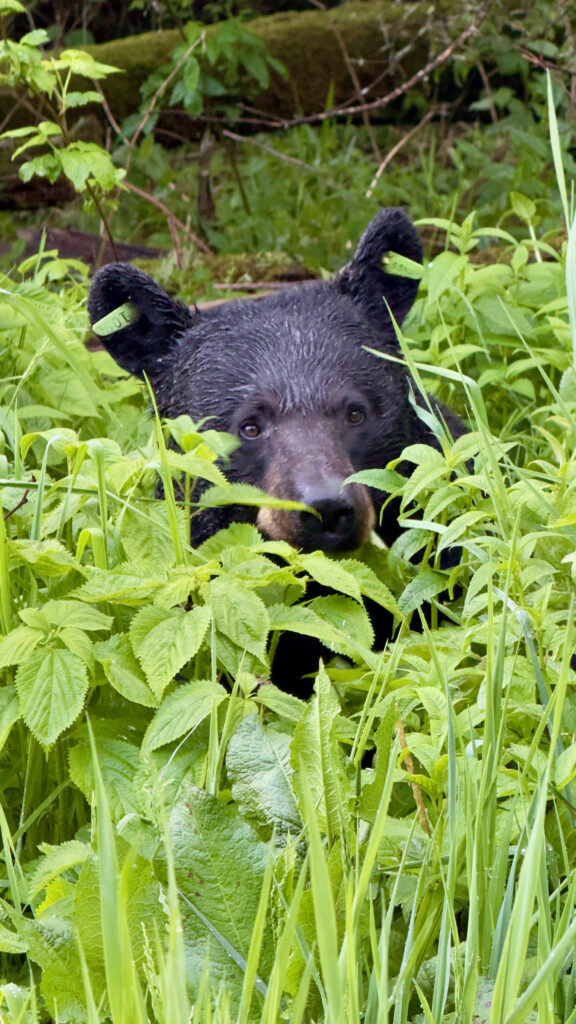
Black bears are common throughout the park.
That does not mean every visitor will see one, but you should always behave as though wildlife may be nearby.
Never:
- Feed bears
- Approach bears
- Block traffic for a photo
- Leave food unsecured
If a bear is close to a road or trail, give it space.
Wildlife that appears comfortable around people is still wild.
The same applies to elk.
During the fall rut, male elk can be especially unpredictable.
Things to Know Before You Go
- The park has no entrance fee.
- A parking tag is required when parking more than 15 minutes.
- There is no park-wide shuttle.
- Cell service is limited.
- Download offline maps.
- There is no gas inside the park.
- Pack food before entering.
- Roads can become extremely congested.
- Cades Cove is best early.
- Kuwohi parking can fill.
- Weather changes quickly.
- Trails can be slick.
- Never approach bears or elk.
- Check current road and trail conditions before your trip.
💡 Pro Tip: Start earlier than you think you need to. The difference between an 8 AM arrival and an 11 AM arrival can completely change your experience at the Smokies’ most popular places.
What To Pack
Bring:
- Daypack
- Comfortable hiking shoes
- Rain jacket
- Plenty of water
- Snacks or packed lunch
- Layers
- Hat
- Sunscreen
- Offline maps
- Portable phone charger
- Camera
- Binoculars
The Smokies are wet.
Even a clear forecast can turn into rain.
Trails, rocks, roots, and even paved paths can become slippery.
Real rain gear and good footwear are worth bringing.
Best Photo Spots in Great Smoky Mountains
Great Smoky Mountains National Park is incredibly photogenic, with misty valleys, layered mountain ridges, waterfalls, historic cabins, and wildlife.
A few classic photo spots include:
- Cades Cove – Best for historic cabins, open meadows, wildlife, and misty early mornings
- Newfound Gap – Easy access to classic layered mountain views
- Kuwohi – Sweeping high-elevation views, especially at sunrise or sunset
- Waterfalls – Overcast days often provide the best soft light for photographing waterfalls
- Roaring Fork – Historic cabins, forest scenery, streams, and waterfalls
- Cataloochee Valley – One of the best areas for photographing elk
For more detailed photography locations, best-light recommendations, and tips for fitting the best photo stops into your itinerary, check out our Premium Great Smoky Mountains National Park Guide.
Are the Smokies Good for Families?
Absolutely.
The Smokies can be one of the best national parks for families because the experience does not depend on long, difficult hikes.
Families can enjoy:
- Wildlife
- Scenic drives
- Historic cabins
- Short walks
- Waterfalls
- Mountain overlooks
The biggest challenges are usually:
- Traffic
- Parking
- Rain
- Long drive times
- Crowded trails
A realistic plan makes a huge difference.