

Grand Teton National Park is one of those places that almost does not look real until you see it for yourself. That’s where this Grand Teton National Park visitor guide comes in!
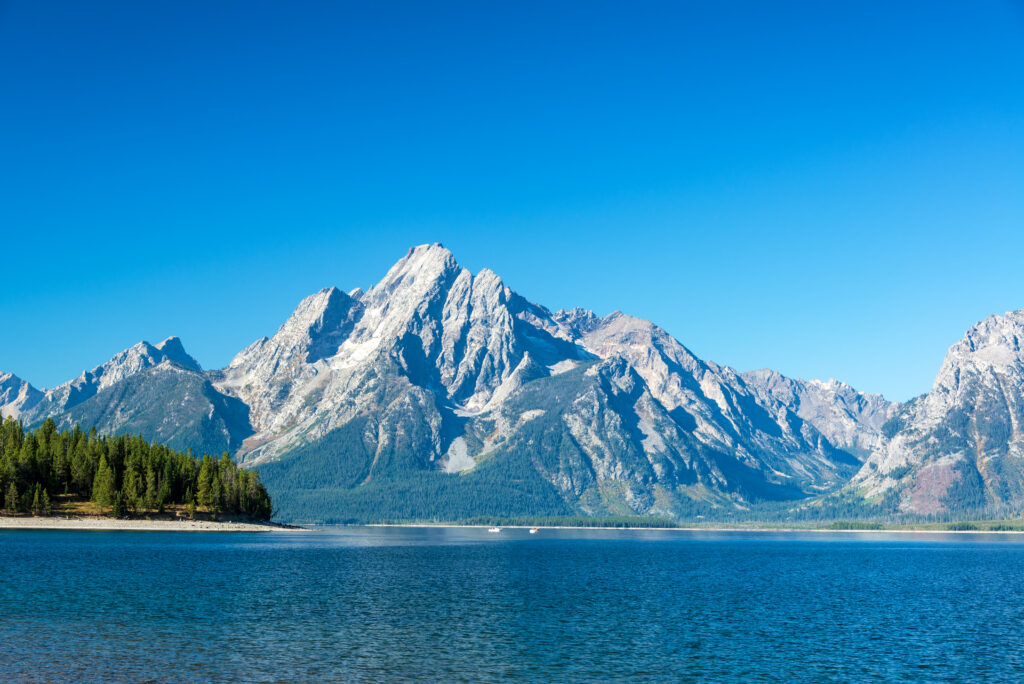
Jagged mountain peaks rise almost straight from the valley floor. Glacial lakes reflect the mountains in the early morning. Moose wander through willow-lined wetlands. Hiking trails disappear into deep alpine canyons. Historic barns sit beneath one of the most recognizable mountain skylines in America.
And unlike many mountain ranges, the Tetons have almost no foothills blocking the view.
You can be driving across the flat sagebrush landscape of Jackson Hole and suddenly find yourself staring directly at a wall of 13,000-foot peaks.
Grand Teton is also one of the easiest national parks to combine with Yellowstone—but it absolutely deserves its own dedicated time.
This free Grand Teton National Park visitor guide covers the basics you need to start planning, including:
- The best time to visit
- The main areas of Grand Teton
- How to get there and get around
- The top things to do
- A few of the best hikes
- Where to stay
- Where to eat
- How much time you need
- Things to know before you go
- What to pack
- The best photo spots
- Family travel tips
For the full planning breakdown, our Premium Grand Teton National Park Ultimate Guide includes the exact 3-day itinerary, nine complete hike and scenic-stop profiles, regional planning strategy, Jenny Lake logistics, wildlife-viewing advice, detailed lodging information, photography recommendations, 2026 trail and access updates, and everything you need to confidently organize your trip.
👉 Grab the complete Grand Teton National Park Ultimate Guide in our shop and take the stress out of planning your adventure.
Table of Contents
About Grand Teton National Park
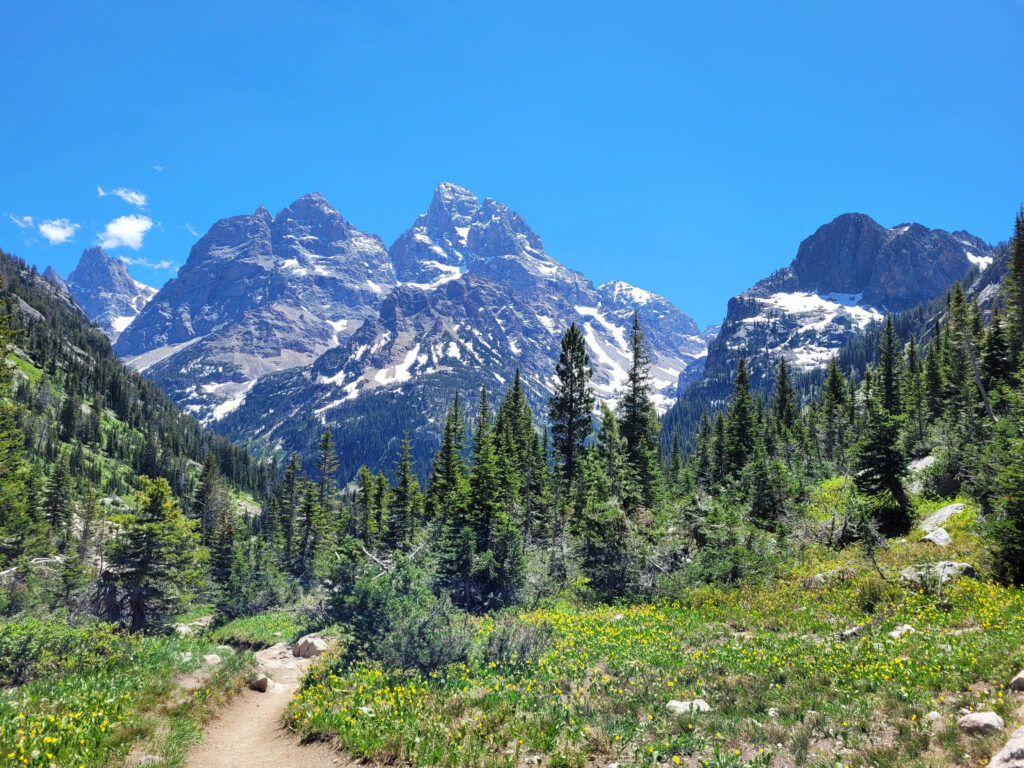
Grand Teton National Park protects one of the most dramatic mountain landscapes in America.
The park is famous for:
- The Teton Range
- Jenny Lake
- Jackson Lake
- Cascade Canyon
- Mormon Row
- Schwabacher Landing
- Oxbow Bend
- Alpine lakes
- Moose, elk, bears, and other wildlife
- Some of the best hiking in the Rocky Mountains
The thing that makes the Tetons look so dramatic is the way they rise almost directly from the valley floor.
There is no long line of smaller foothills hiding the higher peaks.
Instead, the mountains suddenly climb thousands of feet above Jackson Hole.
The geology behind that scenery is equally fascinating.
The Teton Range is relatively young, but much of the exposed rock is billions of years old.
Glaciers also played a huge role in creating the landscape visitors see today.
They carved:
- Deep canyons
- U-shaped valleys
- Alpine basins
And left behind many of the lakes now found along the base of the mountains, including:
- Jenny Lake
- String Lake
- Leigh Lake
- Taggart Lake
- Bradley Lake
- Phelps Lake
Grand Teton is also much easier to understand geographically than Yellowstone, but that does not mean you should simply make a list of attractions and drive back and forth across the park.
A little planning still makes a huge difference.
The Main Areas of Grand Teton National Park
You do not need to memorize every road and lake before your trip, but understanding the main areas will make planning much easier.
Jenny Lake
For many first-time visitors, Jenny Lake is the heart of Grand Teton National Park.
This area is known for:
- The Jenny Lake shuttle boat
- Hidden Falls
- Inspiration Point
- Cascade Canyon
- Lakeshore trails
- Mountain views
It is also the busiest area of the park.
The combination of easy scenery, popular hiking, boat access, and limited parking means the area can feel very different early in the morning than it does at midday.
One of the most important things to understand before visiting Grand Teton is how you want to experience Jenny Lake.
You can:
- Take the shuttle boat
- Hike around part of the lake
- Walk the full lakeshore
- Continue farther into the mountains
The premium guide explains the different options and helps you decide which one makes sense for your time and hiking ability.
Cascade Canyon
Cascade Canyon begins beyond the popular Jenny Lake area and leads deep into the Teton Range.
This is where Grand Teton starts to feel very different from a simple sightseeing park.
The scenery includes:
- Towering canyon walls
- Mountain streams
- Wildlife habitat
- Alpine landscapes
- Longer hiking opportunities
Many visitors only explore the beginning of the canyon.
Others continue much farther into the high country.
How far you should go depends heavily on your fitness, available time, weather, and hiking goals.
String Lake and Leigh Lake
String Lake is one of the best family-friendly areas in the park.
The scenery is classic Grand Teton:
- Clear water
- Forest
- Mountain views
- Easy lake access
The water is also relatively shallow, making this one of the more popular places for families to swim or spend part of a summer afternoon.
Nearby Leigh Lake offers a quieter extension for visitors who want to keep walking.
This area can be a great alternative when Jenny Lake feels overwhelmed.
Taggart Lake and Bradley Lake
Taggart Lake and Bradley Lake offer another classic Grand Teton experience.
You will find:
- Mountain views
- Glacial lakes
- Forest trails
- Wildflower meadows
These lakes are popular, but they often feel much less chaotic than Jenny Lake.
They are especially worth considering for visitors who want a real hike without committing to a full-day alpine adventure.
Moose and the Southern Park
The Moose area is one of the main gateways into Grand Teton.
Nearby attractions and routes provide access to:
- Teton Park Road
- Southern hiking areas
- Wildlife habitat
- Scenic overlooks
- The Moose-Wilson Road
The southern part of the park can feel quieter than the Jenny Lake corridor.
This area is also an important place to understand if you are planning around Phelps Lake or other southern hikes.
Jackson Lake and the Northern Park
The northern part of Grand Teton feels more open.
Jackson Lake provides:
- Wide mountain views
- Boating
- Scenic pullouts
- Lodging
- Easier access toward Yellowstone
This area works especially well for travelers combining both national parks.
It can also be a good base for visitors who want mountain scenery without staying in Jackson.
The Eastern Scenic Overlooks
Some of Grand Teton’s most famous views are not found along a hiking trail.
The eastern side of the valley includes classic photography and sightseeing locations such as:
- Mormon Row
- Schwabacher Landing
- Oxbow Bend
- Snake River overlooks
These stops are part of what makes Grand Teton so accessible.
You do not have to hike 10 miles to see incredible scenery.
Best Time to Visit Grand Teton National Park
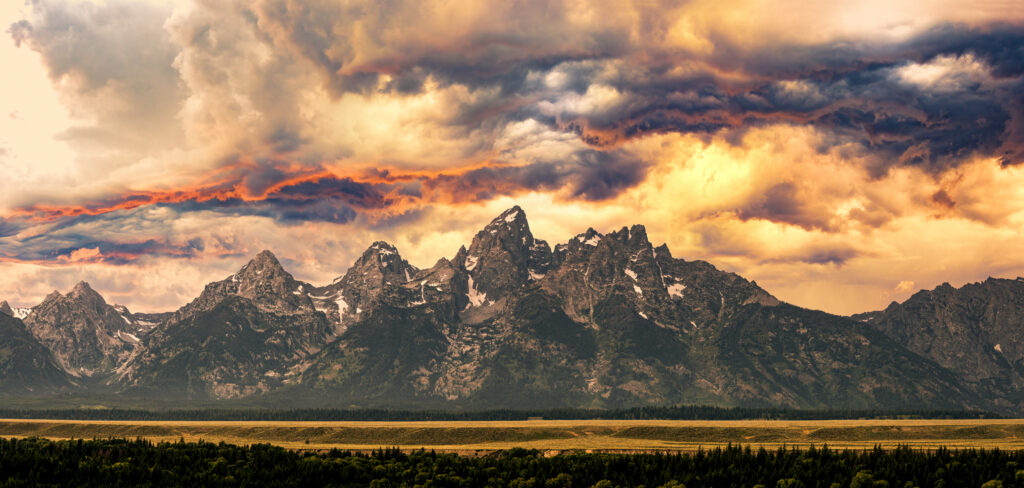
Grand Teton is open year-round, but each season offers a completely different experience.
Spring: April–May
Spring is a beautiful time for wildlife.
You may see:
- Newborn animals
- Moose
- Elk
- Migrating birds
- Fewer visitors than summer
The challenge is trail access.
Snow can linger in the mountains long after the valley begins to feel like spring.
Many higher-elevation trails may still be snow-covered.
Summer: June–August
Summer offers the greatest access.
This is generally when:
- Most trails become accessible
- The Jenny Lake boat shuttle operates
- Campgrounds and lodges are open
- Hiking season is in full swing
It is also the busiest time of year.
Jenny Lake and other popular areas can fill early.
Summer afternoons can also bring thunderstorms, especially in the mountains.
Early starts are important for both crowds and weather.
Fall: September–October
Fall is one of our favorite times to visit Grand Teton.
You may find:
- Golden aspens
- Cooler temperatures
- Fewer visitors
- Active wildlife
- The elk rut
September can be an especially good balance of access and thinner crowds.
But winter can arrive early in the mountains, so flexibility still matters.
Winter: November–March
Winter transforms the park.
Some roads close to regular vehicles, and recreation shifts toward:
- Cross-country skiing
- Snowshoeing
- Wildlife viewing
- Winter photography
The nearby National Elk Refuge is also one of the region’s major winter attractions.
Grand Teton in winter is beautiful, but it requires a very different plan from a summer visit.
Getting To and Around Grand Teton National Park
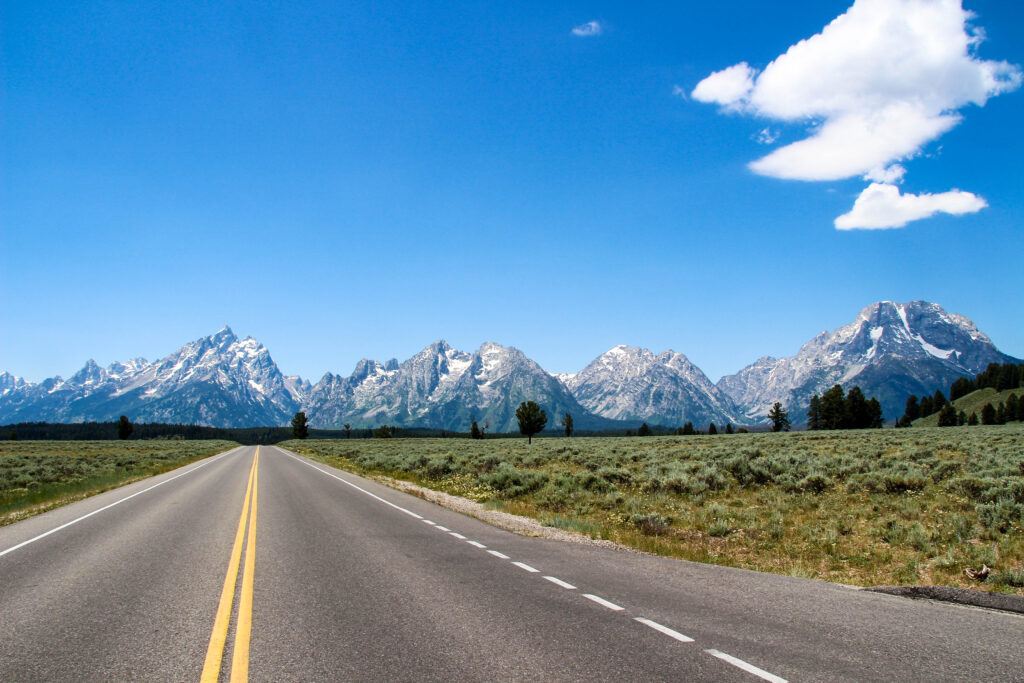
Most visitors reach Grand Teton from Jackson, Wyoming.
Jackson sits just south of the park and offers:
- Hotels
- Restaurants
- Shops
- Gas
- An airport
The park can also be reached from Yellowstone to the north.
Grand Teton and Yellowstone are connected by the John D. Rockefeller Jr. Memorial Parkway, making them natural road-trip companions.
The main roads to understand are:
Teton Park Road
This scenic road follows the base of the mountain range and connects many of the park’s most popular areas.
It provides access to places such as:
- Jenny Lake
- String Lake
- Signal Mountain
- Several trailheads
For most first-time visitors, this is the scenic heart of the park.
The Valley Highway
The main highway runs along the eastern side of Jackson Hole.
It connects:
- Jackson
- Scenic overlooks
- Northern Grand Teton
- The route toward Yellowstone
Many of the park’s most famous sunrise locations are accessed from this side of the valley.
Moose-Wilson Road
This slower, narrower road connects the Moose area with Teton Village.
It passes through excellent wildlife habitat and is especially known for possible moose sightings.
Jenny Lake Shuttle Boat
The Jenny Lake shuttle boat can save a significant amount of walking for visitors heading toward popular destinations on the far side of the lake.
You do not need the boat to experience Jenny Lake, but it changes how much hiking you will do.
There is no park-wide shuttle system that eliminates the need for a vehicle.
A few things to know:
- Jenny Lake parking fills early.
- Wildlife can create roadside congestion.
- Cell service is extremely limited.
- Mountain weather changes quickly.
- Some roads are seasonal.
- Popular trailheads can fill before midday.
- Drive times can increase during peak season.
💡 Pro Tip: Do not plan Grand Teton by putting every lake and overlook into one giant sightseeing loop. Decide which days are for hiking, wildlife, scenic stops, and sunrise photography.
The premium guide gives you the complete regional strategy and shows how we group the park into manageable days.
Top Things to Do in Grand Teton National Park
You could spend a week exploring Grand Teton and still have plenty left to do.
For a first trip, these are some of the experiences worth knowing about.
Explore Jenny Lake
Jenny Lake is one of the most iconic places in Grand Teton.
You can experience it in several ways:
- Walk along the shore
- Take the shuttle boat
- Hike to a waterfall
- Continue to an overlook
- Head deeper into the mountains
The right option depends on your available time and hiking ability.
The biggest mistake is arriving with no plan and deciding everything after the parking lots and boat dock are already crowded.
See Hidden Falls and Inspiration Point
These are two of the most popular destinations near Jenny Lake.
Hidden Falls gives visitors a classic waterfall experience.
Inspiration Point offers an elevated view back over the lake and surrounding valley.
They are popular for a reason.
But how you reach them—and whether you combine them with a longer hike—can completely change your day.
Drive Teton Park Road
One of the easiest ways to experience Grand Teton is simply to drive along the base of the mountains.
Allow time for:
- Lake stops
- Mountain viewpoints
- Wildlife
- Short walks
- Photography
This is not a road we recommend rushing through.
Go Wildlife Watching
Wildlife is one of the biggest reasons to visit Grand Teton.
You may see:
- Moose
- Elk
- Bison
- Bears
- Pronghorn
- Deer
- Bald eagles
Moose are one of the animals most strongly associated with the park.
They often spend time near:
- Willows
- Wetlands
- Lakes
- Slow-moving water
Early mornings and evenings are generally best for wildlife activity.
Some sightings happen beside the road.
Others require patience.
Wildlife is never guaranteed.
That is part of what makes it exciting.
Visit Mormon Row
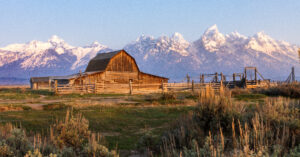
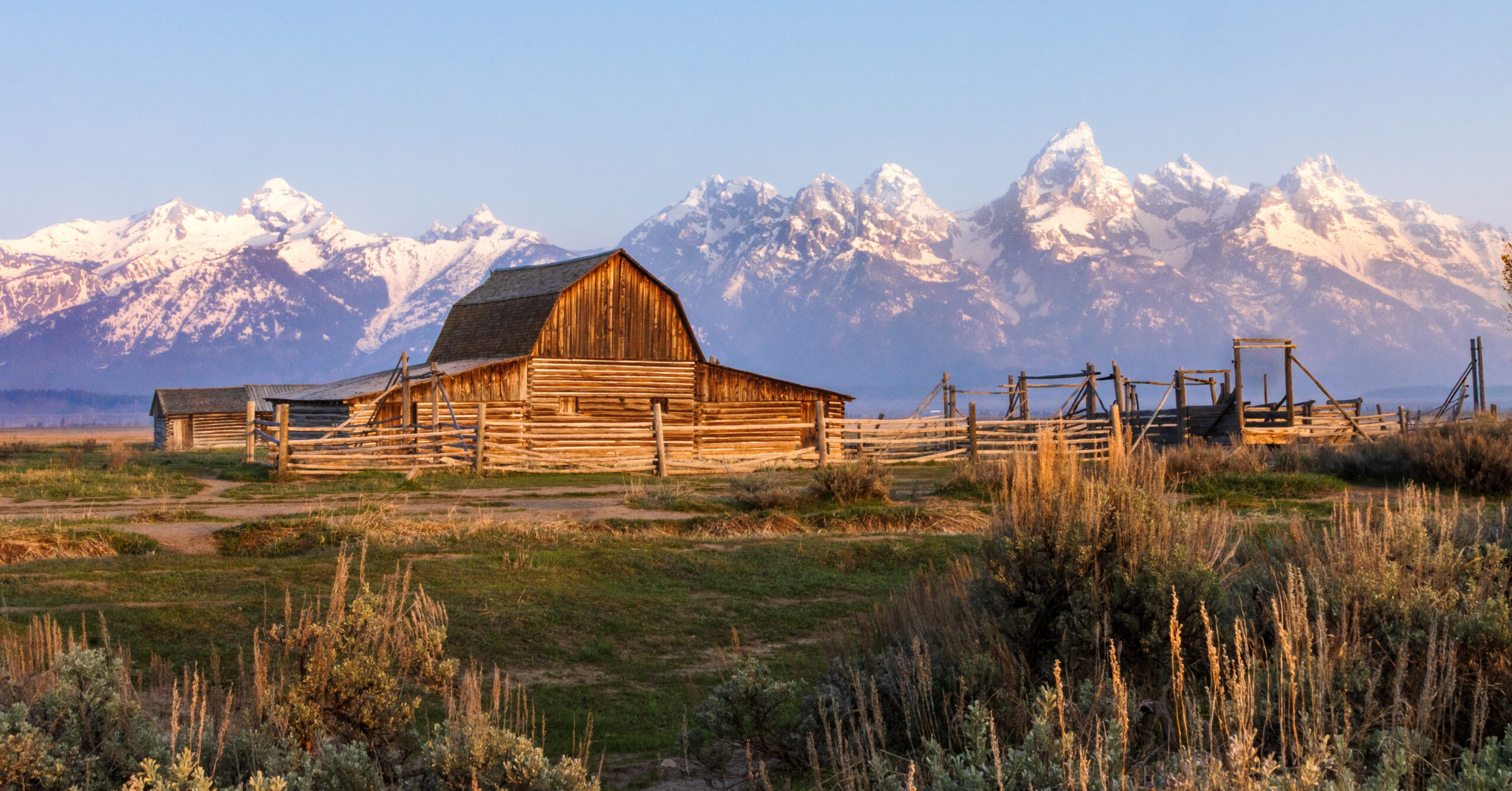
Mormon Row is one of the most famous historic locations in the park.
The old homesteads and barns sit beneath the Teton Range, creating one of the most recognizable scenes in Wyoming.
This is a great stop for:
- History
- Photography
- Sunrise
- Short visits
It is also a good example of how Grand Teton combines natural scenery with the human history of Jackson Hole.
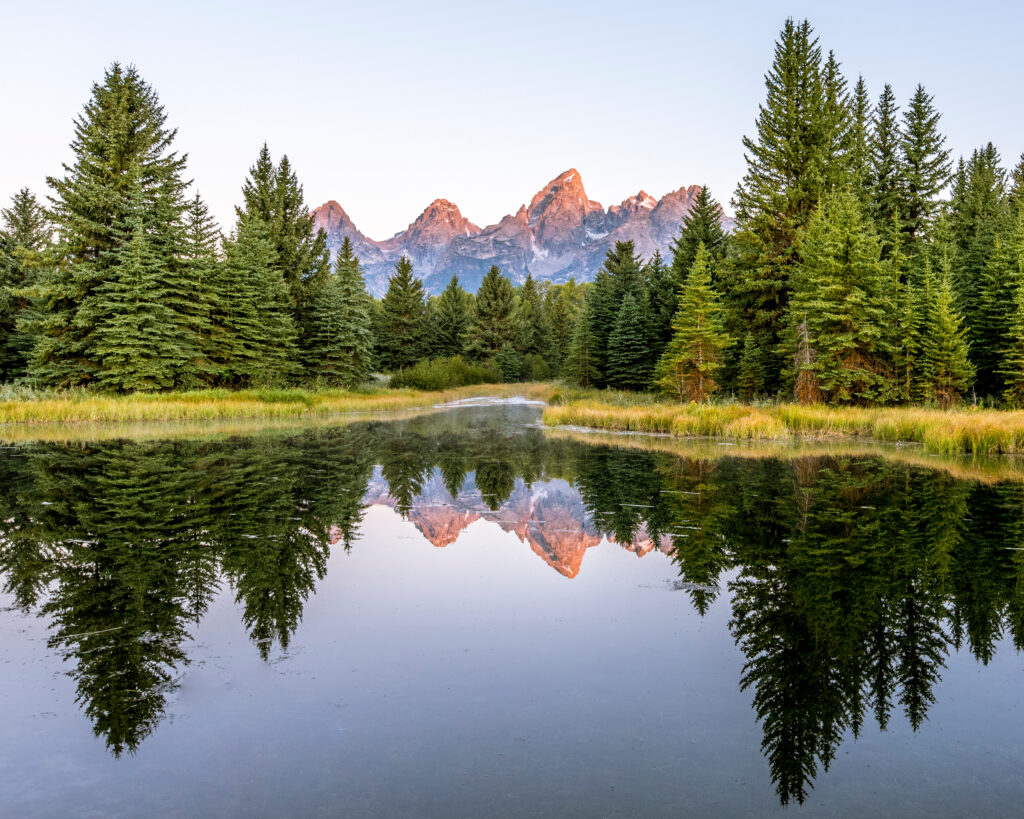
Visit Schwabacher Landing
Schwabacher Landing is famous for mountain reflections.
When the water is calm, the Teton Range can reflect in the ponds and slow-moving water below.
It is particularly popular with photographers.
But even without a professional camera, it is one of the most beautiful easy-access areas in the park.
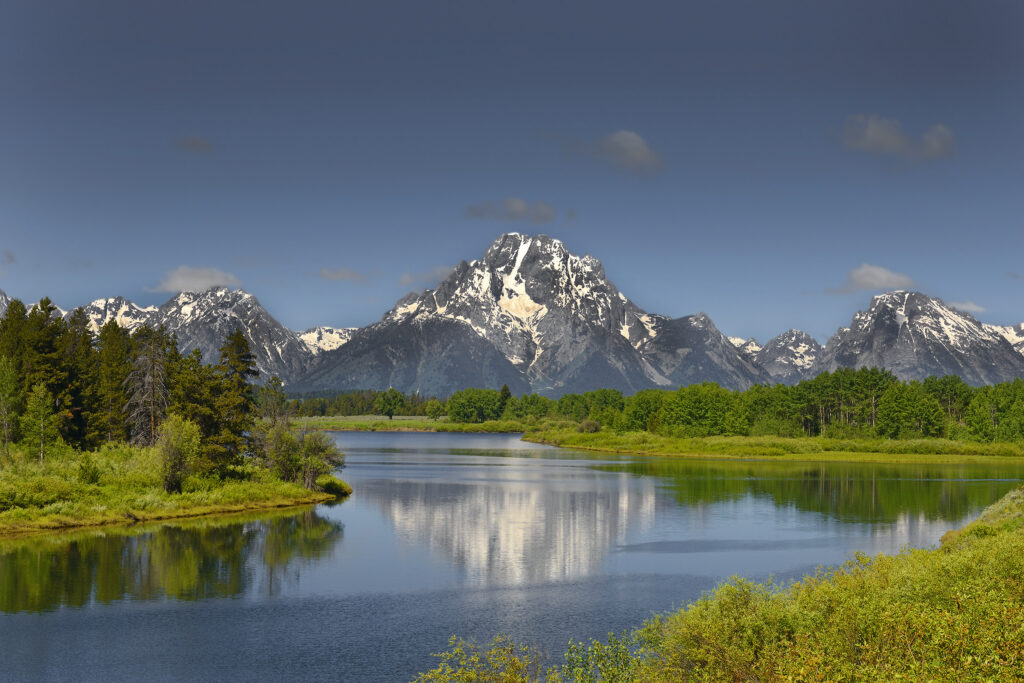
See Oxbow Bend
Oxbow Bend is another classic Grand Teton viewpoint.
The broad curve of the Snake River creates beautiful views toward the mountains.
The area can also be good for wildlife.
It is especially popular:
- Early in the morning
- Around sunset
- During fall color
Spend Time at a Mountain Lake
Grand Teton is filled with glacial lakes.
Some are easy to reach.
Others require major hikes.
A few of the most popular lake experiences include:
- Jenny Lake
- String Lake
- Leigh Lake
- Taggart Lake
- Bradley Lake
- Phelps Lake
Each one offers a different combination of:
- Hiking
- Crowds
- Swimming
- Photography
- Mountain scenery
The premium guide includes full profiles to help you decide which lakes deserve your limited time.
A Few of the Best Hikes in Grand Teton National Park
Grand Teton is one of the best hiking national parks in the country.
There are trails for almost every ability level.
Easy Lake Walks
Best for:
- Families
- First-time visitors
- Shorter days
- Mountain reflections
These offer classic scenery without a huge elevation gain.
Moderate Lake Hikes
Several trails lead through:
- Forest
- Wildflower meadows
- Glacial terrain
And end at lakes directly below the Teton Range.
These are often a great middle ground for visitors who want more than a scenic overlook but not a full-day mountain adventure.
Canyon Hikes
Grand Teton’s canyons lead directly into the mountains.
These hikes can offer:
- Towering rock walls
- Wildlife
- Alpine streams
- Long-distance hiking
Some visitors turn around after a few miles.
Others continue for most of the day.
Alpine Lake Hikes
The higher-elevation lakes offer some of the park’s most dramatic scenery.
They also require:
- More distance
- Significant elevation gain
- Early starts
- Better weather planning
The premium guide includes detailed profiles of nine major hikes and scenic experiences, including distance, difficulty, time, logistics, crowd strategy, photography notes, and safety information.
Where To Stay Near Grand Teton National Park
Where you stay can completely change your trip.
Inside Grand Teton
Staying inside the park can reduce driving and make early mornings easier.
Popular areas include:
- Jenny Lake
- Jackson Lake
- Signal Mountain
- Colter Bay
In-park lodging works especially well for travelers who want to:
- Start hikes early
- Photograph sunrise
- Spend less time commuting from Jackson
Rooms can book far in advance.
Jackson
Jackson is the most popular full-service base near Grand Teton.
It offers:
- Hotels
- Restaurants
- Shopping
- Gas
- An airport
- Easy access to the southern park
It works especially well for first-time visitors who want the widest range of services.
The tradeoff is driving into the park each day.
Teton Village
Teton Village sits near the southwestern side of the park.
It can be useful for:
- Moose-Wilson Road access
- Resort amenities
- Jackson Hole Mountain Resort
It offers a different experience from staying in downtown Jackson.
Northern Park Lodging
Staying farther north can make sense for visitors who:
- Plan to explore Jackson Lake
- Want to combine Grand Teton with Yellowstone
- Prefer to stay closer to the park
Our Premium Grand Teton Guide includes the more detailed lodging strategy and helps you decide where to stay based on what you actually want to see.
Where To Eat Near Grand Teton National Park
Grand Teton has several dining and food options inside the park, but they are spread out.
For long sightseeing and hiking days, we recommend:
- Eating breakfast before starting
- Packing lunch
- Carrying plenty of snacks
- Keeping extra water in your vehicle
Jackson offers the widest variety of:
- Restaurants
- Coffee shops
- Bakeries
- Grocery stores
Several developed areas inside the park also offer seasonal food options.
The premium guide includes our more detailed recommendations and helps you plan meals around where you will actually be each day.
How Much Time Do You Need at Grand Teton National Park?
Grand Teton is more compact than Yellowstone, but we still do not recommend treating it as a quick photo stop.
One Day
With one day, focus on the essentials.
You may be able to include:
- A scenic drive
- Jenny Lake
- Several overlooks
- Wildlife watching
A long hike will significantly reduce how much sightseeing you can do.
Two Days
Two days gives you time to combine:
- Jenny Lake
- Scenic overlooks
- Wildlife
- One meaningful hike
This is a much better introduction.
Three Days
Three full days gives first-time visitors a strong Grand Teton experience.
You can begin to include:
- Jenny Lake
- A major hike
- Scenic lakes
- Wildlife
- Sunrise or sunset photography
- More of the northern or southern park
Our premium guide includes a complete 3-day itinerary so you do not have to guess how to organize those experiences.
Four to Five Days
Four or five days allows for:
- Longer hikes
- More wildlife mornings
- Additional lakes
- Photography
- Time in Jackson
- Flexibility for weather
This is a much more relaxed way to experience the park.
One Week
With a full week in the region, you can slow down and combine Grand Teton with Yellowstone National Park.
Things to Know Before You Go
- Grand Teton does not use timed-entry reservations.
- Jenny Lake is the busiest area of the park.
- Arrive early for popular trailheads.
- Cell service is extremely limited.
- Download offline maps.
- Mountain weather changes quickly.
- Summer thunderstorms are common.
- Carry bear spray on hiking trails.
- Give all wildlife plenty of space.
- Moose can be extremely dangerous.
- Some roads and facilities are seasonal.
- Trail conditions can remain snowy well into summer.
- Start long alpine hikes early.
- Keep a backup plan when parking areas are full.
- Check current trail and road conditions before your trip.
💡 Pro Tip: Grand Teton is a park where flexibility pays off. A calm morning, unexpected wildlife sighting, or sudden storm can completely change the best plan for the day.
What To Pack
Bring:
- Daypack
- Comfortable hiking shoes
- Plenty of water
- Snacks or packed lunch
- Bear spray
- Layers
- Rain jacket
- Hat
- Sunglasses
- Sunscreen
- Offline maps
- Portable phone charger
- Camera
- Binoculars
- Basic first aid supplies
For wildlife photography:
- The longest lens you have
- Extra batteries
- Plenty of memory card space
Grand Teton mornings can be cold even when afternoons become warm.
Weather in the mountains can also change rapidly.
Layers are essential.
Best Photo Spots in Grand Teton National Park
Grand Teton is one of the most photographed national parks in America.
A few classic photo spots include:
- Schwabacher Landing – Famous for mountain reflections on calm mornings
- Oxbow Bend – River, mountain, wildlife, and fall-color photography
- Mormon Row – Historic barns beneath the Teton Range
- Snake River Overlook – One of the park’s classic mountain compositions
- Jenny Lake – Lakes, mountains, waterfalls, and elevated viewpoints
- String Lake – Beautiful reflections early in the morning
- Signal Mountain – Wide panoramic views across the valley and range
The ideal time of day varies significantly depending on the location.
Our Premium Grand Teton Guide includes more detailed photography recommendations and helps you fit the best locations into your itinerary.
Is Grand Teton National Park Good for Families?
Absolutely.
Grand Teton can be an excellent national park for families because you do not need to complete strenuous hikes to experience incredible scenery.
Family-friendly experiences can include:
- Riding the Jenny Lake shuttle boat
- Walking along lake shores
- Looking for wildlife
- Visiting scenic overlooks
- Exploring String Lake
- Junior Ranger activities
- Short hikes
- Picnics
The biggest challenges for families are often:
- Early starts
- Parking
- Limited cell service
- Changing weather
- Wildlife safety
- Choosing hikes that match everyone’s ability
The best family itinerary is often the one that leaves enough time to actually enjoy the lakes instead of rushing from one stop to the next.
Looking for a Complete Grand Teton National Park Guide?
This free guide gives you a strong starting point.
But the real Grand Teton planning questions begin when you try to organize the trip:
How early do you need to arrive at Jenny Lake?
Should you take the boat or hike around the lake?
Which lakes are actually worth your limited time?
Which hikes work best for your family?
Where should you stay to reduce driving?
Which areas belong together?
Where are your best chances of seeing moose?
How do you combine Grand Teton with Yellowstone?
That is exactly what our Premium Grand Teton National Park Ultimate Guide is designed to solve.
Inside the complete guide, you’ll find:
- A detailed 3-day Grand Teton itinerary
- Complete regional planning strategy
- 2026 trail and access information
- Nine detailed hike and scenic-stop profiles
- Jenny Lake planning and shuttle information
- Cascade Canyon hiking guidance
- Lake hike comparisons
- Easy, moderate, and strenuous trail recommendations
- Family-friendly options
- Wildlife-viewing information
- Bear and moose safety
- Permit and access information
- Boating information
- Stargazing tips
- Where to stay
- Lodging-area comparisons
- Where to eat
- Photography recommendations
- Best-light guidance
- Grand Teton and Yellowstone trip planning
- Packing advice
- Common mistakes to avoid
- Quick-reference trip planning information
- Our real first-hand recommendations
It is designed to help you spend less time piecing together information from dozens of websites and more time actually experiencing Grand Teton.
👉 Grab the complete Grand Teton National Park Ultimate Guide in our shop and plan your trip with confidence.
We hope this guide helps you plan an unforgettable Grand Teton adventure.
✨ Keep Adventuring, Keep Exploring, and we’ll see you on the next Adventure! ✨