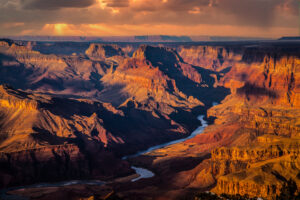


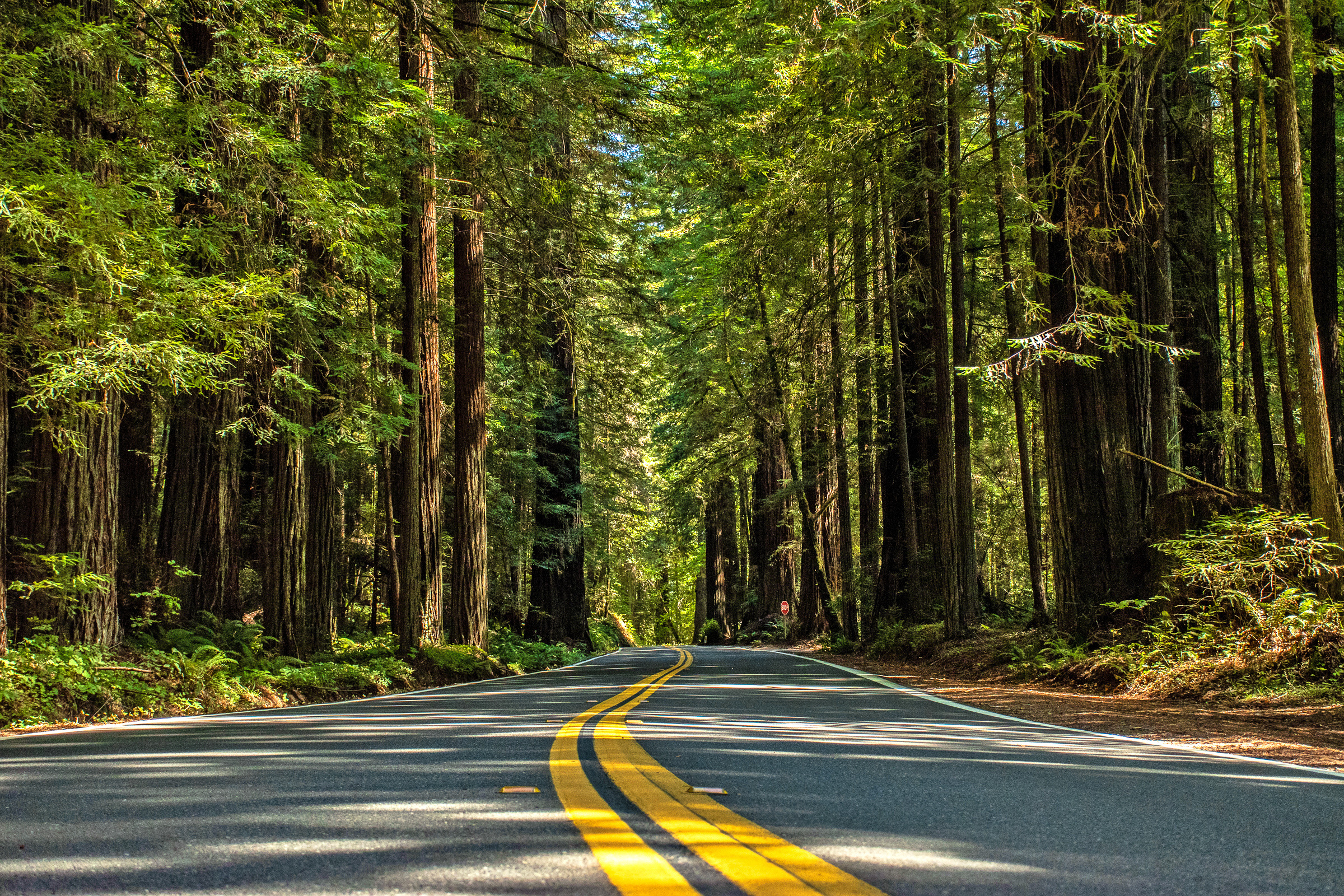
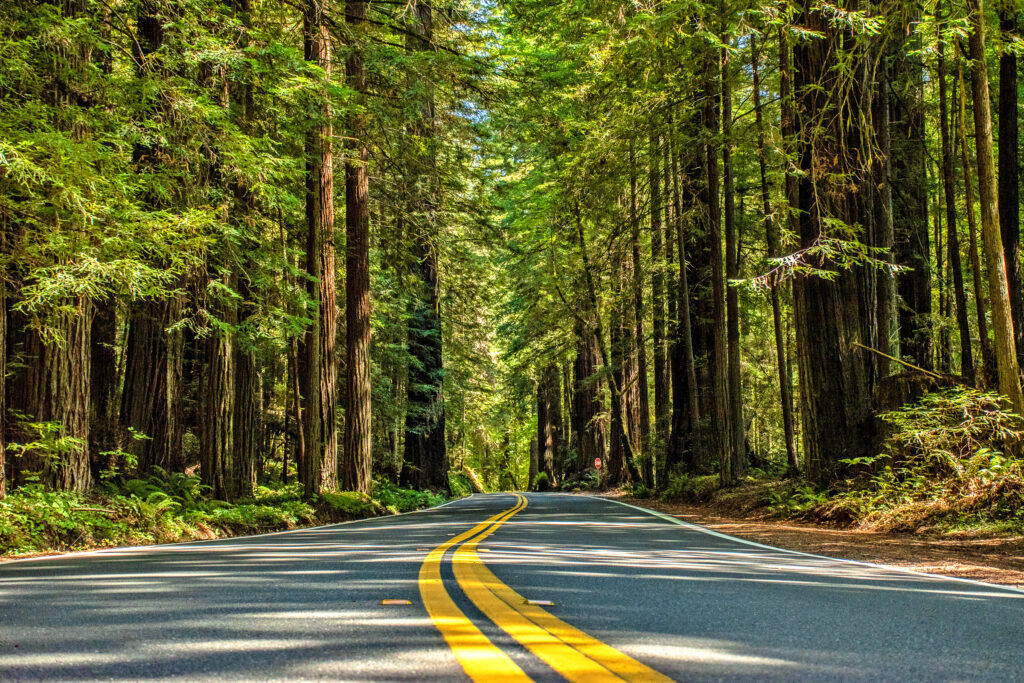
Planning a California road trip through national parks? This is one of the most dramatic road trips in the United States — taking you from 282 feet below sea level in Death Valley to the giant sequoias of the Sierra Nevada and the towering granite walls of Yosemite Valley.
In one unforgettable trip, you can visit Death Valley National Park, Joshua Tree National Park, Sequoia National Park, Kings Canyon National Park, and Yosemite National Park — five completely different landscapes that show just how wild and diverse California really is.
Our full Ultimate California Road Trip Guide 2026 is built around a 9-day, 5-national-park route with real drive times, Yosemite’s 2026 reservation update, detailed hike and viewpoint planning, lodging and camping strategy, multiple itinerary options, desert and Sierra safety, and family logistics.
But this is not a road trip you want to throw together last minute.
California looks easy on a map until you start connecting the deserts, Central Valley, mountain roads, giant sequoia groves, Yosemite lodging, summer heat, seasonal closures, long drive days, and limited cell service. This trip can be incredible — but only if you plan it realistically.
We’re Heather and Jesse from Adventure Family Vlog, and in this blog, we’re giving you the big-picture version of how to plan a California national parks road trip from Death Valley to Yosemite without giving away every detail from our premium guide.
Want the Complete California Road Trip Planning Guide?
This blog will help you get started, but our Ultimate California Road Trip Guide 2026 goes much deeper with the full 9-day itinerary, alternate 7-day and 11–12 day routes, real drive times, airport strategy, lodging and campground planning, park-by-park breakdowns, hiking charts, family tips, packing lists, safety notes, and our full first-hand planning recommendations.
👉 Want more details? Check out our premium California Road Trip Guide here.
Why This California Road Trip Works
A lot of California road trip itineraries try to connect too many places in a way that looks good online but feels exhausting in real life.
This route works because it follows a natural geographic flow:
Death Valley → Joshua Tree → Sequoia → Kings Canyon → Yosemite
You start in the low desert, move through Joshua Tree’s boulder-filled high desert, push north through California’s Central Valley, then finish in the Sierra Nevada with giant trees, granite cliffs, waterfalls, and mountain valleys.
The contrast is the whole point.
In one trip, you can walk across the salt flats at Badwater Basin, watch golden light hit the boulders in Joshua Tree, stand below the General Sherman Tree, drive toward the canyon floor in Kings Canyon, and finish surrounded by Yosemite’s famous granite walls.
The guide describes this route as a nine-day trip through five national parks, spanning low desert to high Sierra terrain, with roughly 1,100–1,200 miles of core driving plus in-park driving.
That variety is what makes this trip amazing — and also what makes planning important.
You are not packing for one kind of trip. You are packing for desert heat, cool mornings, high-elevation forests, seasonal mountain roads, possible wildfire smoke, long drive days, limited services, and some of the busiest national park areas in the country.
California Road Trip at a Glance
Here’s the simple overview of this road trip:
Parks Included:
Death Valley, Joshua Tree, Sequoia, Kings Canyon, and Yosemite
Recommended Trip Length:
9 days
Minimum Realistic Trip Length:
7 days, but it will feel condensed
Better Extended Trip Length:
11–12 days
Best Seasons:
Spring or fall
Best Route Flow:
Death Valley → Joshua Tree → Sequoia → Kings Canyon → Yosemite
Best Starting Airport:
Las Vegas for the Death Valley start
Best Ending Airport:
Fresno for the Sierra / Yosemite side
The full premium guide includes the complete route leg by leg, real drive-time planning, best airport strategy, one-way rental considerations, RV notes, and what to book first.
Want the Full Route Breakdown?
This blog gives you the overview, but the premium guide includes the detailed route legs, realistic drive times, airport strategy, where to stop, how to avoid backtracking, and how to decide whether a one-way rental makes sense.
👉 Want more details? Check out our premium California Road Trip Guide here.
Best Time of Year for This California National Parks Road Trip
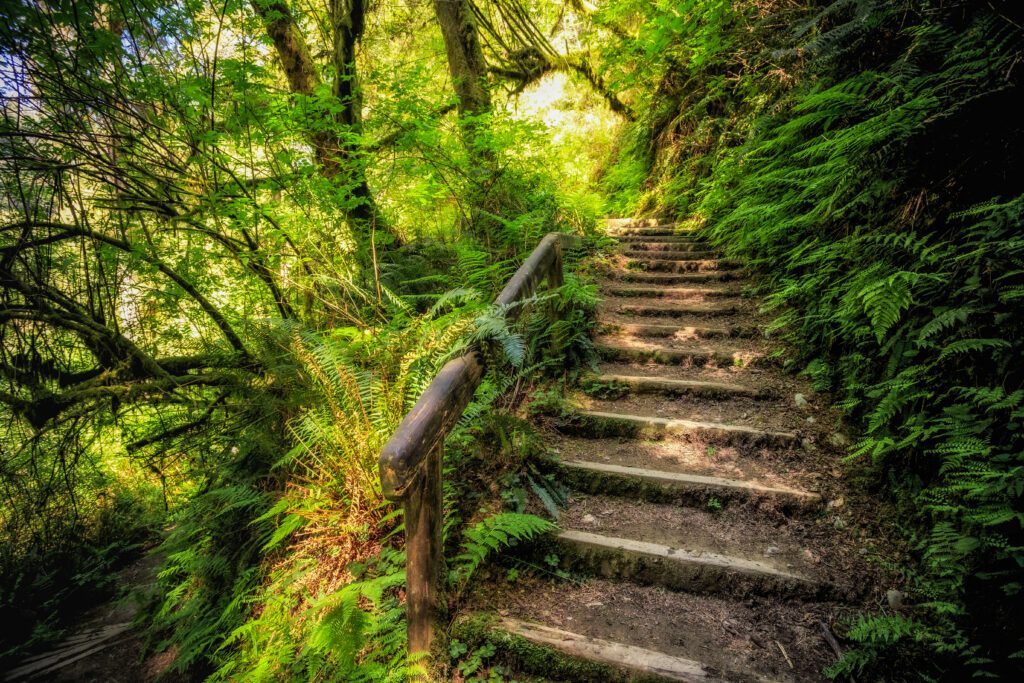
The hardest part of planning this trip is that Death Valley and Yosemite want opposite seasons.
Death Valley is best when temperatures are cooler. Yosemite’s high country is best when mountain roads are open. That is why the best compromise windows for the full route are usually:
- Spring: April–May
- Fall: late September–October
The guide notes that Death Valley can be dangerously hot from June through September, while Yosemite’s high-country roads, including Tioga Road and Glacier Point Road, are typically affected by snow closures for part of the year.
Spring
Spring is one of the best overall windows. Death Valley and Joshua Tree are more manageable, while Sequoia, Kings Canyon, and Yosemite start shifting into waterfall, wildflower, and snowmelt season.
Summer
Summer requires caution.
Yosemite, Sequoia, and Kings Canyon can be beautiful, but Death Valley can become genuinely dangerous. If summer is your only option, the premium guide includes a reversed version of the route so you can prioritize the Sierra parks first and keep desert activity extremely early.
Fall
Fall is another strong option. The desert parks begin cooling down, Sierra crowds thin compared with peak summer, and Yosemite can still be beautiful before winter weather starts closing higher roads.
Winter
Winter works better for Death Valley and Joshua Tree than it does for the full five-park route. Yosemite Valley is open, but Tioga Road and Glacier Point Road are typically affected by seasonal closures.
Planning Around California’s Seasons?
This free blog gives you the big picture, but our Ultimate California Road Trip Guide 2026 includes deeper month-by-month planning, what each park is like by season, when to reverse the route, and how to avoid the biggest weather-related mistakes.
👉 Want more details? Grab the premium guide here.
Important 2026 Yosemite Update
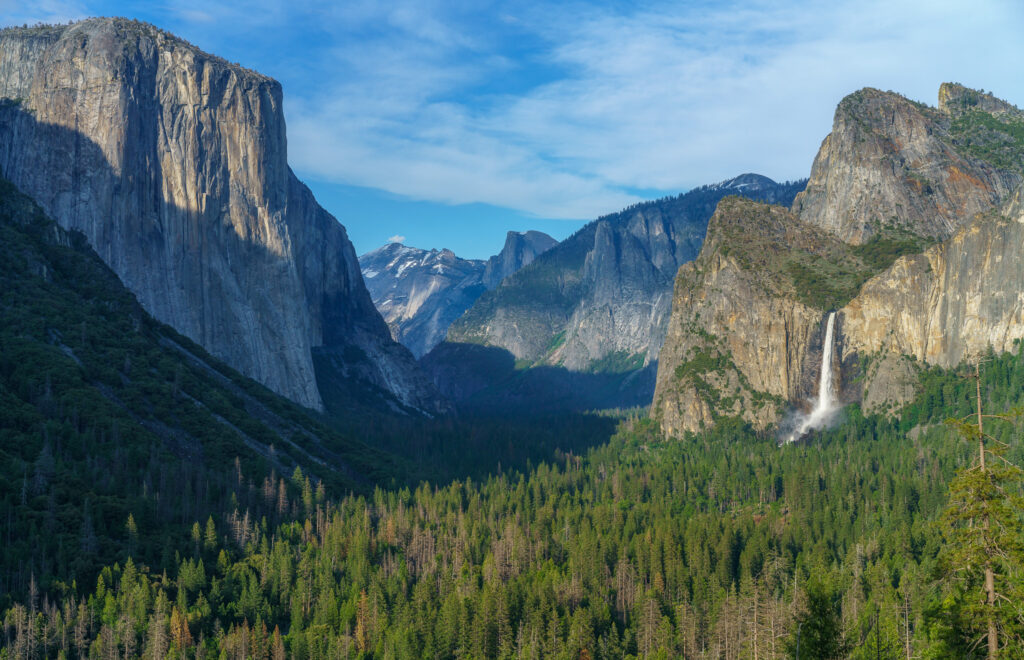
One of the biggest 2026 changes for this route is Yosemite.
Yosemite does not require a general entrance reservation in 2026. That means no day-use or peak-hours reservation is required to drive into Yosemite this year, though the standard entrance fee or valid pass still applies.
But that does not mean Yosemite will be empty.
Parking can still fill early, especially on popular days, and separate permits are still required for things like Half Dome and wilderness backcountry trips. Your guide correctly calls this out: the eliminated reservation system does not remove Yosemite’s crowding or parking challenges.
The simple version:
- No general Yosemite entrance reservation in 2026
- Standard entrance fee or valid pass still required
- Half Dome permits still required
- Wilderness permits still required
- Parking can still fill by mid-morning
- Arrive early, especially on weekends and peak travel dates
Planning Yosemite as Part of This Road Trip?
Yosemite is the finale of this route, but it is also the park where lodging, parking, crowds, permits, and seasonal roads can make or break the trip.
Our premium California guide includes Yosemite lodging strategy, 2026 reservation updates, permit notes, Valley planning, Glacier Point, Mariposa Grove, Tioga Road, and what to prioritize if you only have limited time.
👉 Want the full Yosemite planning breakdown? Check out our premium California Road Trip Guide here.
How Many Days Do You Need?
We think 9 days is the best standard version of this California road trip.
You can technically do a condensed 7-day version, but it will feel tight. The guide recommends 11–12 days if you want more breathing room, especially with kids or if you want extra time in Yosemite.
Here’s the simple breakdown:
7 Days
Best for travelers who want to see all five parks but are okay with a fast pace. You will need to shorten Joshua Tree and reduce Kings Canyon.
9 Days
Best standard version. This gives you the full route with dedicated travel days and enough time to experience each park’s core highlights.
11–12 Days
Best for families, photographers, hikers, and anyone who wants more breathing room. Add time to Yosemite first, then consider a buffer day between Joshua Tree and Sequoia.
14+ Days
Best for a bigger California or Eastern Sierra adventure with bonus stops like Alabama Hills, Mono Lake, Bodie, or Mount Whitney planning.
Suggested 9-Day California Road Trip Itinerary
This is the high-level version of the route.
The full premium guide includes the complete day-by-day breakdown, timing notes, lodging strategy, alternate routes, where to stay each night, and what to skip if you fall behind.
Day 1: Arrive and Start Death Valley
Start near Las Vegas, pick up supplies, then drive toward Death Valley. Focus on a few easier scenic stops and sunset light rather than trying to overpack the first day.
Death Valley is huge, remote, and extreme — so this is not the park to wing.
Day 2: Death Valley National Park
Use your full Death Valley day for classic landscapes like salt flats, badlands, sand dunes, scenic drives, and sunrise or sunset viewpoints.
The premium guide goes deeper into which stops fit together, where to stay, what to skip, and how to plan around heat and long distances.
Day 3: Joshua Tree National Park
Drive toward Joshua Tree and explore boulder fields, desert plants, scenic viewpoints, short hikes, and stargazing.
Joshua Tree is the most compressible park on this route, which means it can be shortened if your schedule is tight.
Day 4: Long Drive Toward Sequoia and Kings Canyon
This is one of the most important days to plan realistically.
The guide identifies the Joshua Tree to Sequoia / Kings Canyon leg as the longest drive of the trip, roughly 6.5–7 hours, and recommends treating it as a true travel day instead of stacking it with major sightseeing.
Day 5: Sequoia National Park
Spend this day with giant sequoias, short hikes, scenic overlooks, and classic stops like the General Sherman Tree and Moro Rock.
This is where the trip starts feeling completely different from the desert parks.
Day 6: Kings Canyon National Park
Kings Canyon pairs naturally with Sequoia because the parks share an entrance fee and are connected by Generals Highway. The best version of Kings Canyon depends on whether Cedar Grove is open and how much time you have.
Day 7: Drive Toward Yosemite
Use this as a transition day into the Yosemite region. Depending on where you stay, this can be a good day to settle in, grocery shop, fuel up, and position yourself for an early Yosemite start.
Day 8: Yosemite Valley
This is your main Yosemite day.
Focus on the iconic Valley experiences: Tunnel View, Yosemite Falls, El Capitan, Half Dome views, meadows, scenic walks, and a realistic hike that matches your group.
Day 9: Final Yosemite Morning and Departure
Use your final morning for one more viewpoint, sunrise stop, easy walk, or Mariposa Grove visit before heading toward your departure airport.
Want the Complete Day-by-Day Itinerary?
This free blog gives you the big-picture route, but our Ultimate California Road Trip Guide 2026 includes the full 9-day itinerary, alternate 7-day route, 11–12 day extended route, summer-reversed route, two-week grand version, exact drive strategy, lodging notes, and what to prioritize each day.
👉 Want more details? Grab the premium California Road Trip Guide here.
Park Highlights Along This Route
Each park on this route feels completely different, which is why the trip is so memorable.
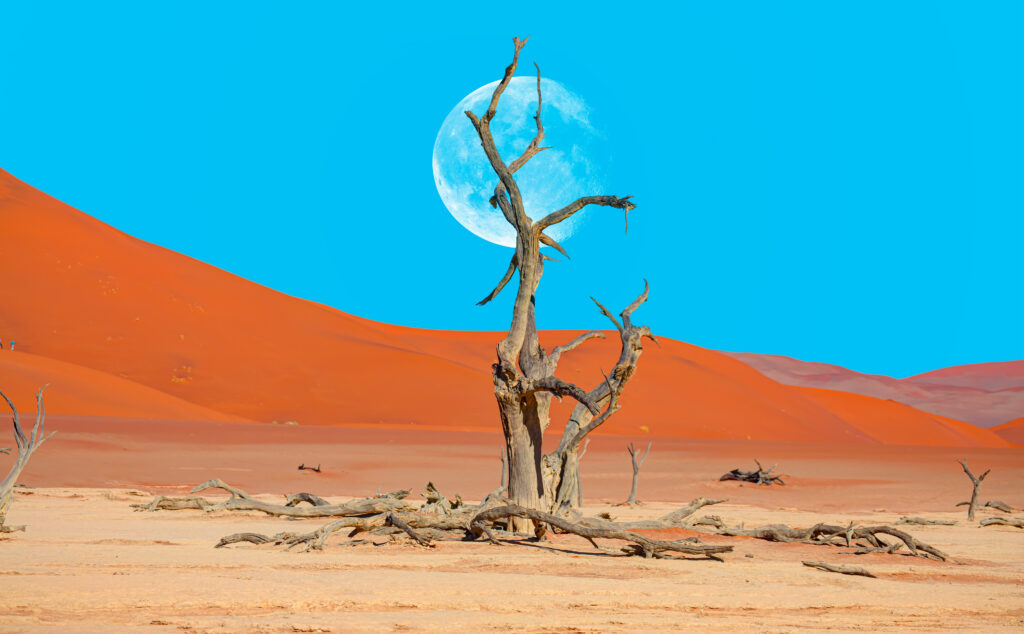
Death Valley National Park
Death Valley is the lowest, hottest, and driest national park in the United States. It is also the largest national park in the contiguous U.S., with Badwater Basin sitting 282 feet below sea level and Telescope Peak rising over 11,000 feet inside the same park boundary.
This is the park where heat, fuel, distance, and limited cell service matter most.
Great first-time stops include:
- Badwater Basin
- Zabriskie Point
- Artists Palette
- Mesquite Flat Sand Dunes
- Dante’s View
- Golden Canyon, when conditions are safe
From June through September, avoid lower-elevation Death Valley hikes after 10 a.m. The National Park Service also advises against lower-elevation summer hiking after 10 a.m. because of dangerous heat conditions.
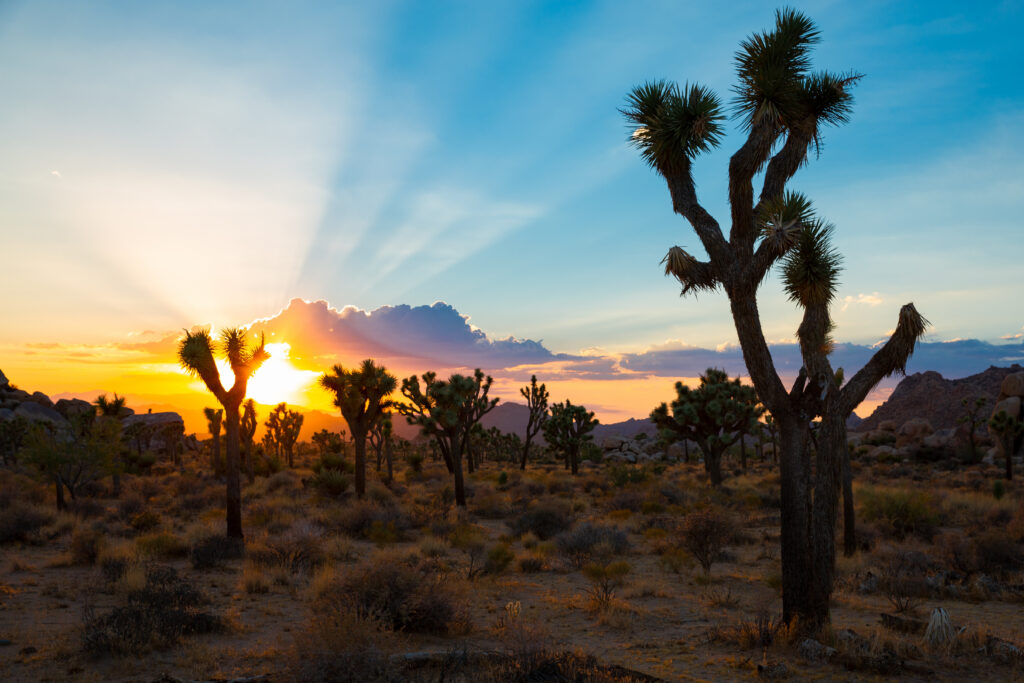
Joshua Tree National Park
Joshua Tree is where the Mojave and Colorado deserts meet. It is famous for Joshua trees, giant boulder formations, scenic drives, short hikes, rock climbing, and stargazing.
This is a great park for families because many highlights are short, accessible, and close to the road.
Good first-time stops include:
- Hidden Valley
- Cholla Cactus Garden
- Skull Rock
- Keys View
- Barker Dam
- Ryan Mountain for stronger hikers
One important planning note: 49 Palms Oasis Trail is typically closed annually from June 1 through September 30, so do not build a summer itinerary around it unless the park announces a different current status.
Sequoia National Park
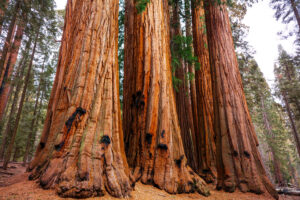
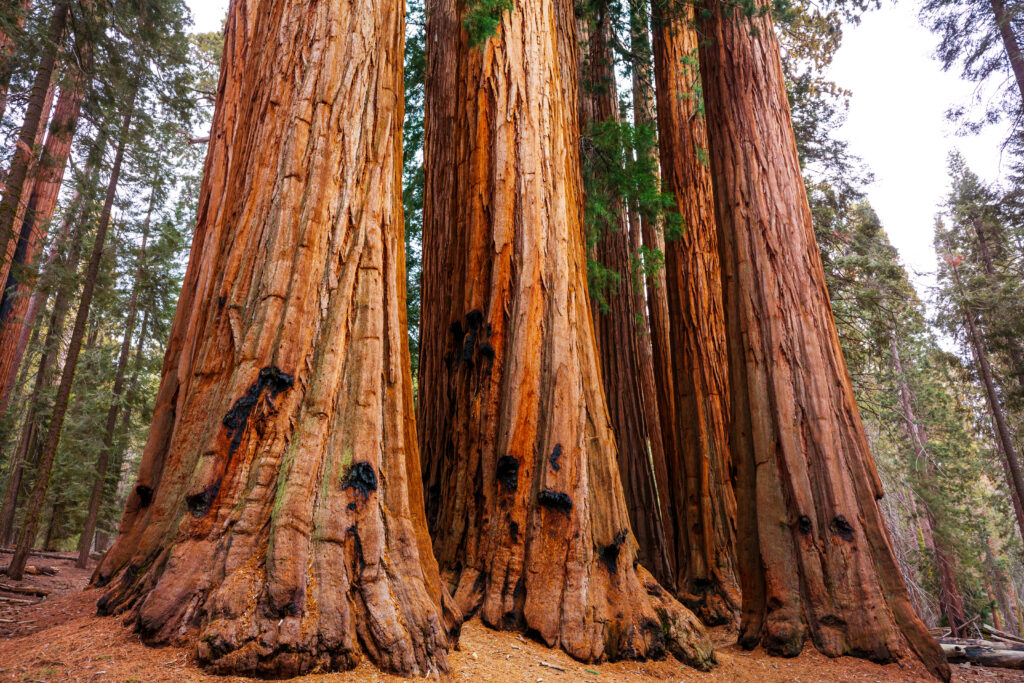
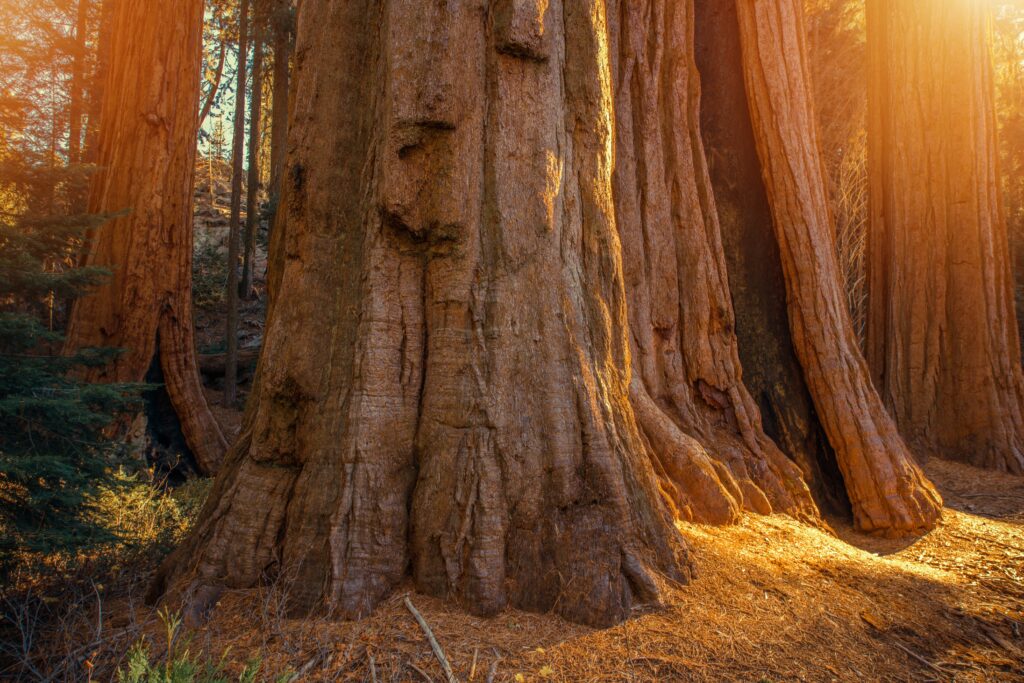
Sequoia National Park is home to the General Sherman Tree, the largest tree on Earth by volume, plus Giant Forest, Moro Rock, Crescent Meadow, Tokopah Falls, and high-elevation forest landscapes.
The guide highlights Sequoia as one of the more family-friendly parks on the route because many Giant Forest trails are easy or moderate with huge payoff.
This is also where you need to start thinking more seriously about mountain roads, tire chains in shoulder season, bears, food storage, and lodging reservations.
Kings Canyon National Park
Kings Canyon often gets treated like the “extra” park next to Sequoia, but it deserves more attention than that.
Grant Grove is the easiest section to visit, especially if you are short on time. Cedar Grove is the deeper, more dramatic side of the park, but it depends heavily on seasonal road access.
The guide notes that the Cedar Grove road typically closes in winter and should always be verified before building your itinerary around it.
Yosemite National Park
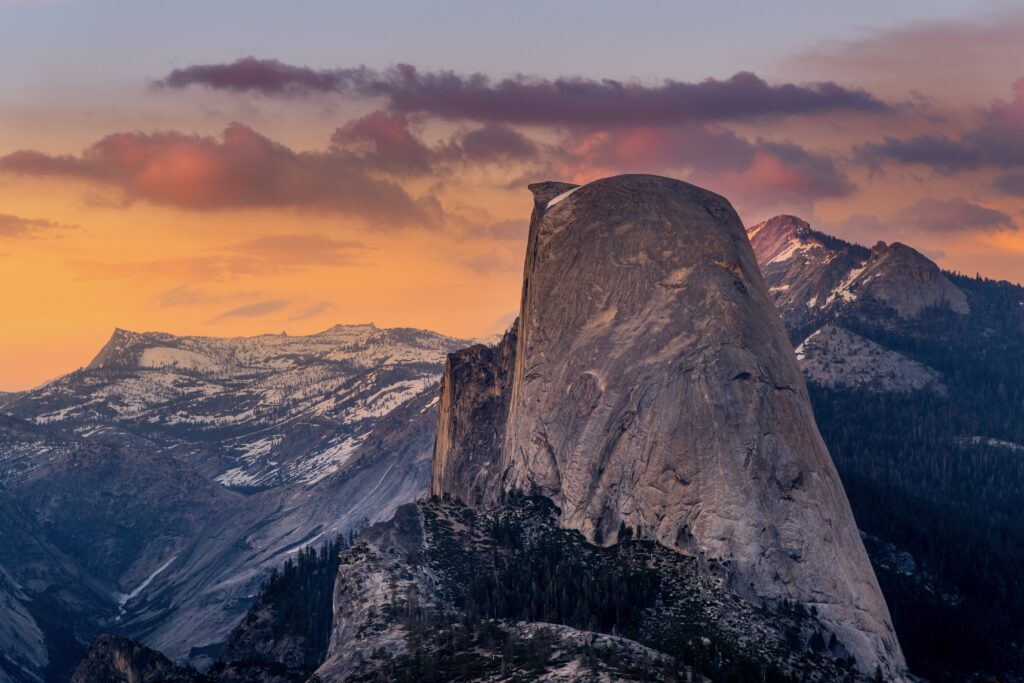
Yosemite is the most iconic finale for this route.
Yosemite Valley alone can fill multiple days with waterfalls, granite cliffs, meadows, scenic viewpoints, historic lodging, and iconic hikes. The guide covers Yosemite Valley, Tunnel View, Yosemite Falls, El Capitan, Half Dome, Glacier Point, Mariposa Grove, Tioga Road, Half Dome permits, lodging strategy, and common mistakes.
This is also the park where booking early matters most.
Want the Full Park-by-Park Breakdown?
This blog gives you the highlights, but our premium guide includes the deeper planning details for each park — best stops, what to skip, trail options, lodging notes, safety warnings, family tips, seasonal access, and how to connect the parks without losing time.
👉 Want more details? Check out our premium California Road Trip Guide here.
Which Park Should You Cut If You’re Short on Time?
This is hard, because all five parks are worth visiting.
But if you are trying to shorten the route, Joshua Tree is usually the easiest park to compress. Its highlights are more compact and accessible by car, so you can still get a meaningful first visit in less time.
If you need to cut an entire park, Kings Canyon is often the next most realistic to drop or shorten, especially if Cedar Grove is closed or your schedule is already running behind. The guide explains that Joshua Tree is the most compressible park, while Death Valley, Sequoia, Kings Canyon, and Yosemite each reward fuller visits.
That does not mean Joshua Tree or Kings Canyon are not worth visiting.
It just means that, when the clock is working against you, those are often the easiest places to adjust without breaking the whole trip.
What to Book First
For this route, your booking order matters.
The guide recommends booking Yosemite lodging first because it is the hardest reservation to secure on the entire trip. It also includes a “Book This First” priority section covering Yosemite lodging, Sequoia / Kings Canyon lodging or campgrounds, Death Valley lodging, Joshua Tree lodging, Half Dome permits, Crystal Cave tickets if operating, rental cars, and other timed or seasonal activities.
A simple version:
- Yosemite Valley or Yosemite gateway lodging
- Sequoia / Kings Canyon lodging or campground
- Death Valley lodging, especially Furnace Creek
- Joshua Tree lodging
- Half Dome permit, if hiking
- Crystal Cave tickets, if operating
- Rental car, especially one-way rentals
- Campgrounds and seasonal activities
Do not wait until everything else is planned to check Yosemite lodging. For most travelers, Yosemite availability should anchor the entire trip.
Need Help Choosing Where to Stay Each Night?
This blog gives you the overview, but the premium guide includes lodging strategy for every leg of the trip, gateway-town comparisons, booking windows, campground notes, in-park vs. outside-the-park tradeoffs, and how to avoid adding unnecessary driving.
👉 Want the full lodging breakdown? Check out our premium California Road Trip Guide here.
Best Airport Strategy
For most travelers doing the full route, a one-way trip makes the most sense.
The cleanest version is often:
Fly into Las Vegas → Start with Death Valley → End near Yosemite → Fly out of Fresno
The guide also compares other strategies, including Las Vegas to San Francisco, Los Angeles to Fresno, round-trip Las Vegas, round-trip Los Angeles, and round-trip San Francisco.
The biggest thing is to compare the one-way rental drop fee against the time, fuel, and extra driving you would spend looping back to your starting airport.
Sometimes the one-way rental costs more upfront but saves an entire day of driving.
Safety Tips for This California Road Trip
This route crosses multiple climate zones, and the biggest safety mistake is treating all five parks like the same kind of trip.
A few major safety reminders:
- Carry extra water for Death Valley and Joshua Tree.
- Avoid lower-elevation Death Valley hikes after 10 a.m. in summer.
- Download offline maps before every park.
- Fill up on gas before parks with limited or no services.
- Check road conditions before Sequoia, Kings Canyon, and Yosemite.
- Use food storage lockers where required in the Sierra parks.
- Pack layers for desert mornings and high-elevation evenings.
- Check wildfire smoke conditions in late summer and fall.
- Do not assume Yosemite will be easy just because no entrance reservation is required.
The guide includes safety notes for desert heat, limited cell service, flash floods, slick granite, bears, altitude, tire chains, wildfire smoke, and food storage.
Want the Full Safety and Packing Breakdown?
Our premium California Road Trip Guide includes detailed safety guidance across all five parks, packing for five climate zones, desert and Sierra driving notes, wildfire smoke planning, family-specific tips, and park-specific mistakes to avoid.
👉 Want more details? Download the premium California Road Trip Guide here.
Is This California Road Trip Good for Families?
Yes — but it is a big trip.
This route can be incredible for families because every park feels different. Kids can experience salt flats, sand dunes, boulders, giant trees, waterfalls, wildlife, scenic drives, and Junior Ranger programs all in one itinerary.
But the family version needs realistic pacing.
We would not stack every day with long hikes. Build in snack stops, short walks, scenic drives, early mornings, pool time where possible, and downtime after long driving days.
The guide specifically calls out the long Joshua Tree to Sequoia / Kings Canyon drive as one of the hardest parts for families and recommends the 11–12 day version for younger kids when possible.
Best family payoff stops:
- Badwater Basin
- Mesquite Flat Sand Dunes
- Hidden Valley
- Skull Rock
- General Sherman Tree
- Crescent Meadow
- General Grant Tree
- Tunnel View
- Lower Yosemite Fall
- Yosemite Valley shuttle stops
Harder family experiences:
- Death Valley midday stops in warm months
- Ryan Mountain
- Moro Rock for kids uneasy with heights
- Mist Trail during heavy spray
- Half Dome
- Long high-country Yosemite hikes
For families, the 9-day version is doable, but the 11–12 day version will feel much better.
What to Pack for a California National Parks Road Trip
This is not a one-climate packing list.
You may need desert sun protection, Sierra layers, hiking shoes, rain gear, wildfire-smoke awareness, road trip snacks, a cooler, offline maps, and a plan for food storage in bear country.
At minimum, we would bring:
- Refillable water bottles or hydration packs
- Extra water storage for desert days
- Electrolytes
- Sunscreen
- Sunglasses
- Wide-brim hats
- Hiking shoes with good grip
- Layers for cold mornings and higher elevations
- Rain jacket
- Downloaded maps
- Road trip snacks and cooler
- America the Beautiful Pass
- Credit/debit card or mobile payment
- Bear-aware food storage plan for Sierra parks
- Portable charger
- First-aid kit
- Camera gear or tripod
Your guide emphasizes that this route crosses low desert, high desert, and high-Sierra terrain — sometimes within the same 24 hours — so layers are not optional.
Common Mistakes on This California Road Trip
This is one of those trips where a few mistakes can completely change the experience.
Avoid these:
- Underestimating the Joshua Tree to Sequoia drive
- Not booking Yosemite lodging first
- Assuming no Yosemite reservation means no crowds
- Traveling in summer without adjusting the route
- Forgetting that Joshua Tree, Sequoia, and Kings Canyon do not have gas inside the park boundaries
- Packing for only one climate
- Skipping wildfire and road-condition checks
- Trying to do too much in one day
- Treating Death Valley like a casual summer hiking park
- Building a Yosemite itinerary around parking lots filling midday
The guide also includes a dedicated “What to Skip If You Only Have 9 Days” section, which is one of the most useful planning tools for keeping this trip realistic.
Want Help Avoiding the Biggest California Road Trip Mistakes?
Our premium guide includes the realistic version of this trip — what to book first, what to skip, when to shorten a stop, how to plan the long drive days, and how to avoid turning a dream route into an exhausting checklist.
👉 Want more details? Check out our premium California Road Trip Guide here.
Looking for the Complete California Road Trip Guide?
This free blog is designed to help you understand the route and decide whether this trip is right for you, but it is not meant to replace the full premium guide.
Our Ultimate California Road Trip Guide 2026 includes:
- Full 9-day California national parks itinerary
- Alternate 7-day condensed route
- 11–12 day extended route
- Summer-reversed itinerary
- Two-week grand version
- Real drive times
- 2026 Yosemite reservation update
- Fees and pass strategy
- Nonresident surcharge notes
- Death Valley planning
- Joshua Tree planning
- Sequoia planning
- Kings Canyon planning
- Yosemite planning
- Hiking and viewpoint breakdowns
- Lodging and campground strategy
- Airport and rental car planning
- What to book first
- Budget planning
- Family travel tips
- Photography guide
- Dining along the route
- Safety across all five parks
- Packing for five climate zones
- Wildfire smoke planning
- Common mistakes
- FAQ and quick-reference cheat sheet
👉 Want more details? Check out our premium California Road Trip Guide here.
California Road Trip FAQ
Can you visit Death Valley, Joshua Tree, Sequoia, Kings Canyon, and Yosemite in one trip?
Yes. These five parks can be connected into one incredible California national parks road trip, but the route takes planning because the drive times are long and the climates are very different.
How many days do you need for this California national parks road trip?
We recommend 9 days for the standard version of this route. Seven days is possible but rushed, while 11–12 days gives you more breathing room, especially for Yosemite and the long travel day between Joshua Tree and Sequoia.
What is the best time of year for this California road trip?
Spring and fall are usually the best compromise seasons because Death Valley and Joshua Tree are more manageable while the Sierra parks are still enjoyable. Summer requires a different strategy because Death Valley can be dangerously hot.
Do you need a Yosemite reservation in 2026?
No. Yosemite does not require a general entrance reservation in 2026, but the standard entrance fee still applies, and separate permits are still required for Half Dome and wilderness trips.
Which park should you shorten if you only have 7 days?
For most travelers, Joshua Tree is the easiest park to shorten because several highlights are compact and accessible by car. Kings Canyon may be the next most realistic park to reduce if your timing is tight.
Is this California road trip good with kids?
Yes, but it is a big trip. Families should build in downtime, avoid long hikes every day, start desert activities early, and consider extending the trip to 11–12 days if possible.
Should you buy the America the Beautiful Pass for this trip?
Yes, for most U.S. travelers visiting all five parks, the America the Beautiful Pass is the best value. The guide notes that paying individually totals about $130 per vehicle, while the annual pass is $80.
Does the nonresident surcharge apply at every park on this route?
No. The National Park Service lists the $100 nonresident fee at Yosemite and Sequoia & Kings Canyon on this route, but not Death Valley or Joshua Tree.
Final Thoughts: Planning a California Road Trip Through 5 National Parks
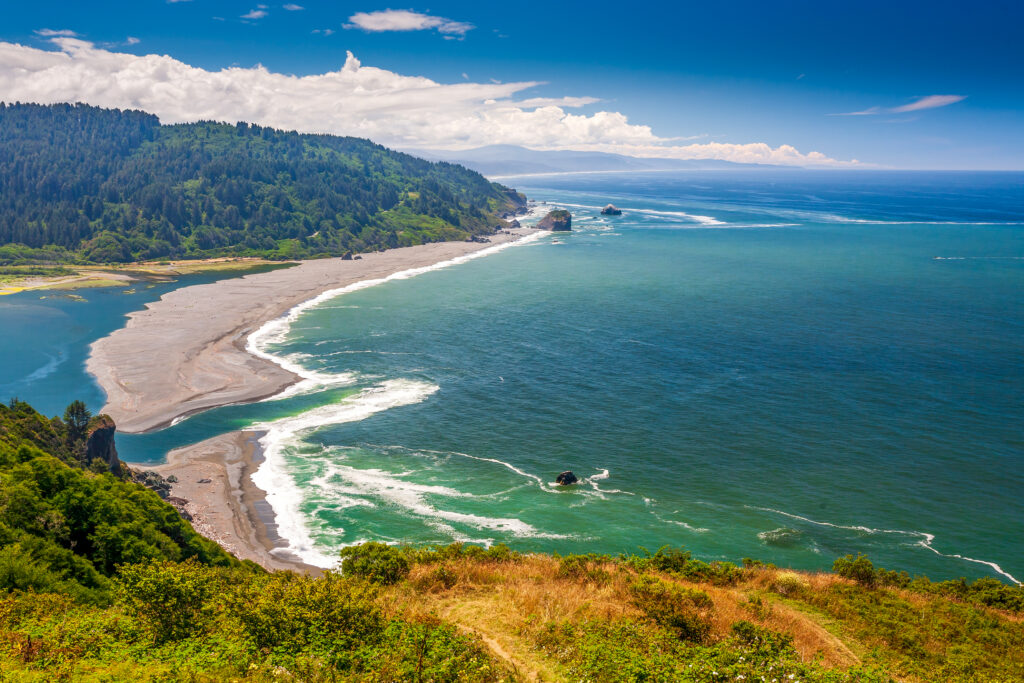
A California road trip through Death Valley, Joshua Tree, Sequoia, Kings Canyon, and Yosemite is one of the most unforgettable national park routes in the country.
But it is also a trip where good planning matters.
You are crossing extreme deserts, high-elevation forests, giant sequoia groves, long highways, mountain roads, crowded Yosemite Valley, and some of the most dramatic landscapes in the National Park System.
The best version of this trip is not the one that tries to do everything.
It is the one that gives each park enough time, respects the seasons, books the right lodging first, plans around heat and road conditions, and leaves enough breathing room to actually enjoy the journey.
Ready to plan your California national parks road trip with confidence?
👉 Get our complete Ultimate California Road Trip Guide 2026 here.
✨ Keep Adventuring, Keep Exploring, and we’ll see you on the next Adventure! ✨
— Heather & Jesse
Adventure Family Vlog